



Biden Administration to Unveil Tougher Fuel Economy Standards
The new standards will reverse the Trump Administration’s rollback of U.S. regulations aimed at improving gas mileage and cutting tailpipe pollution.

Creative Commons
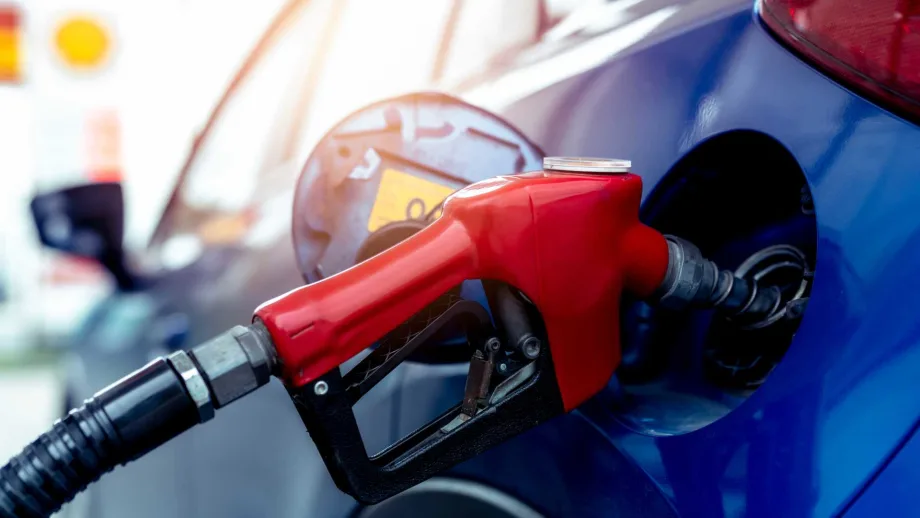
The Biden Administration plans to unveil tougher fuel economy standards for vehicles on Friday. The new standards will reverse the Trump Administration’s rollback of U.S. regulations aimed at improving gas mileage and cutting tailpipe pollution.
The Department of Transportation reports Transportation Secretary Pete Buttigieg and National Highway Traffic Safety Administration (NHTSA) Deputy Administrator Steven Cliff will make a "major announcement" on fuel economy standards on Friday.
In August, NHTSA proposed hiking Corporate Average Fuel Economy (CAFE) requirements by 8% annually for the 2024 through 2026 model years. The organization reports the proposed rules will reduce consumer fuel costs by $140 billion for new vehicles sold by 2030 and $470 billion by 2050 and increase the estimated fleetwide average by 12 miles per gallon (mpg) for 2026, relative to 2021.
U.S. law requires 18 months lead time requiring the final NHTSA rules to be signed by March 31 to take effect in the 2024 model year that begins in September 2023.
The Biden Administration has asked for $27.5 million to support the next phase of NHTSA fuel economy regulations "for light vehicles and maximum fuel efficiency standards for medium- and heavy-duty trucks” noting the changes represent “meaningful progress toward achieving the administration's climate agenda.”
The Environmental Protection Agency (EPA) finalized stricter vehicle emissions requirements in December. The EPA predicts the change will avoid 3.1 billion tons of CO2 emissions through 2050.
NHTSA confirmed that it had reinstated a sharp increase in penalties for automakers whose vehicles do not meet fuel efficiency requirements for model years 2019 and beyond. The could cost automakers hundreds of millions of dollars or more.
Originally posted on Auto Dealer Today
More Showroom
California Sees Quarterly Gains
California’s new-vehicle market saw a boost in hybrids in the third quarter and its first overall quarterly market gain of the year.
Read More →
New-Vehicle Prices Stay Put
Affordability pressures and model availability shaped new-vehicle sales in September, according to an analysis by Kelley Blue Book.
Read More →
EV Buyer Consideration Shifts
What drives American consumers to purchase an electric vehicle is shifting as the question moves away from Should I?' to 'Which features and experience do I want to have?'
Read More →
Year-to-Date Auto Sales Holding Their Own
A forecast through August shows that automakers have shifted strategies to keep deliveries and revenues up despite tariffs and other economic challenges.
Read More →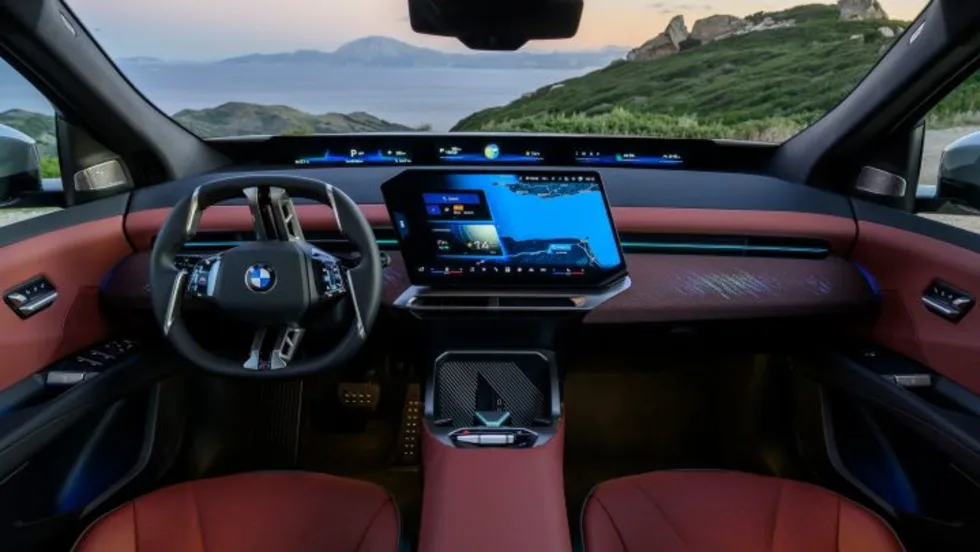
Slow to Robo
Ten years of polling consumers shows autonomous vehicles’ profiles have risen considerably, but even more people now want at least some level of control if they go that route.
Read More →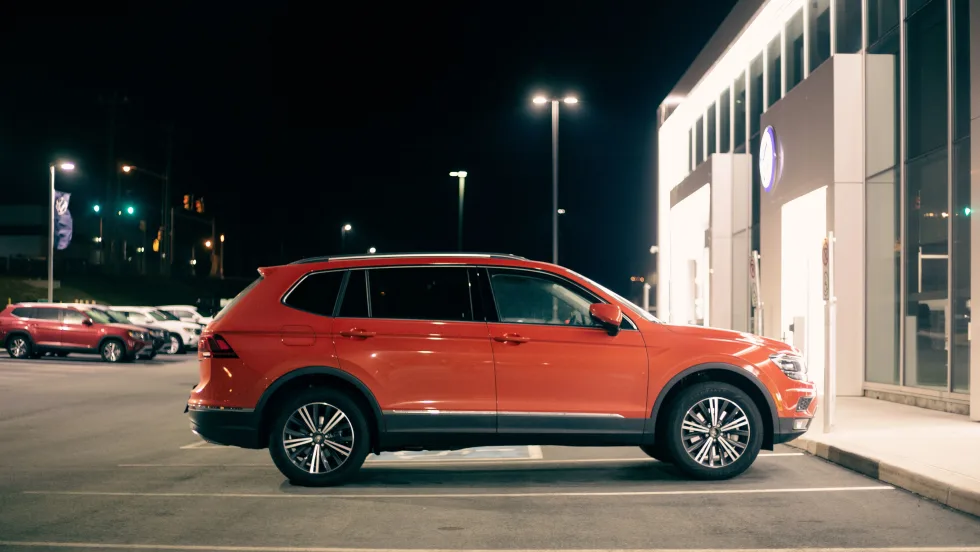
Dealers a Little Down
A third-quarter Cox Automotive survey finds them in a mixed mood, bummed by fallen customer traffic but encouraged by better profits, costs and EV interest.
Read More →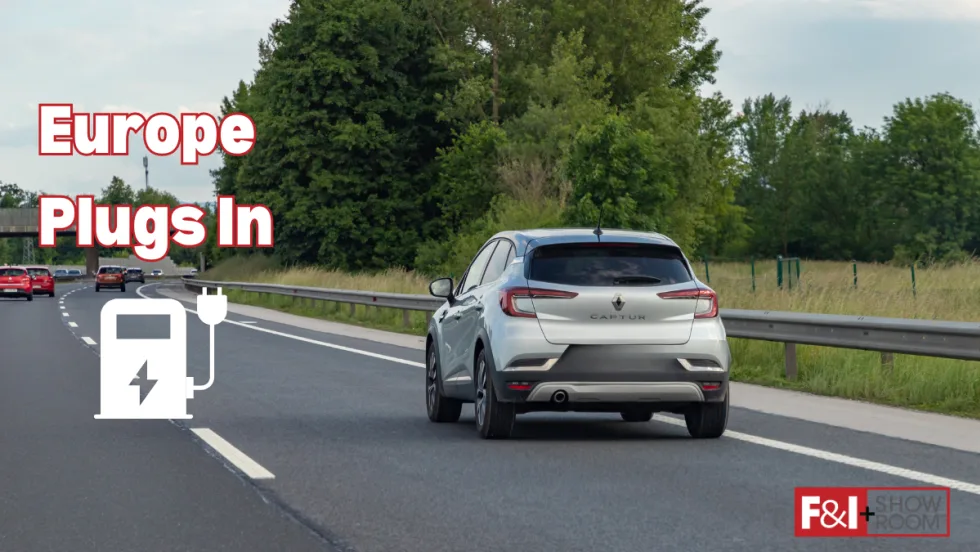
European EV Sales Skyrocket
The EV market on the continent held strong in July with almost 25% of new-car sales being fully electric units, a stark contrast to the U.S., where EV sales declined about 42%.
Read More →
Mitsubishi Unveils U.S. Plan
The automaker announced a strategy that includes an expanded lineup and dealership presence, along with more ‘rugged’ and electric models.
Read More →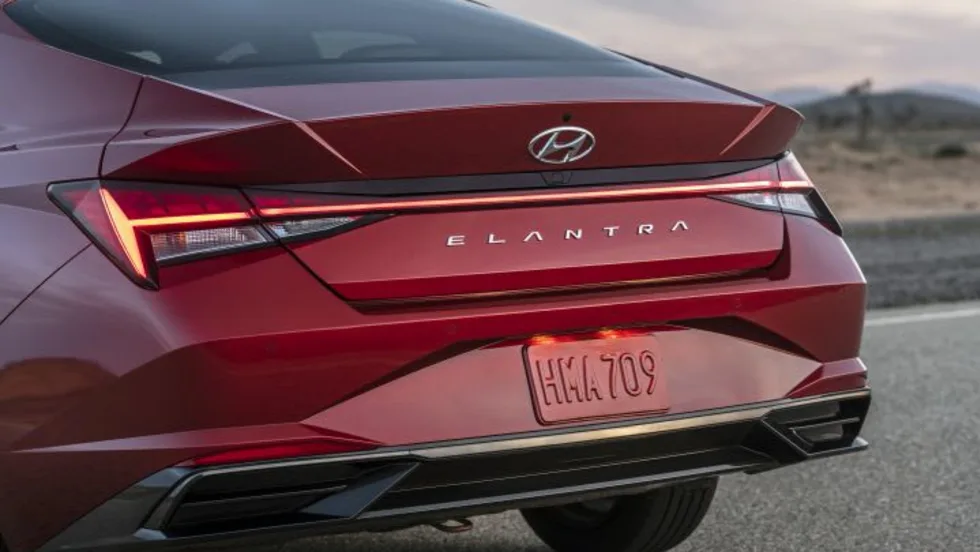
Used Lots Getting the Business
Many consumers are seeking out the units to save money, and the demand – higher in July than normal – is keeping supply limited and prices up.
Read More →
Used Market Stabilizes
The Carfax Used Car Index noted a major drop in used-vehicle price increases in July after several months of hikes.
Read More →