



Bill to Lower Use of EV Battery Minerals from Foreign Sources
The Intergovernmental Critical Minerals Task Force Act aims to boost domestic mining, processing, refining, reusing, and recycling of critical minerals.

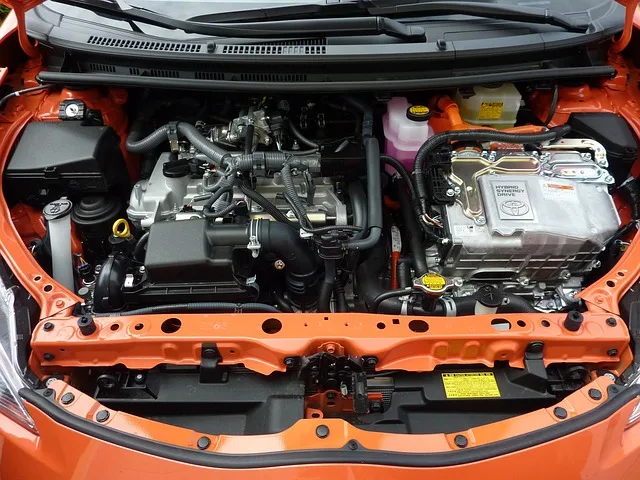
U.S. manufacturing and global economic competitiveness depends on reliable access to minerals for EV batteries.
Davgood Kirshot, Pixabay
Sen. Gary Peters introduced legislation to reduce the nation's reliance on foreign adversaries, especially China, for the critical minerals used in electric vehicle (EV) batteries and other technologies.
The Intergovernmental Critical Minerals Task Force Act, as the bipartisan legislation is called, would require the Office of Management and Budget to create a task force and appoint representatives from federal agencies to consult with state, local and tribal governments.
According to a press release, the group would be tasked with identifying new opportunities for domestic mining, processing, refining, reusing, and recycling of critical minerals, and how to best tackle national security threats related to America's critical mineral supply chains.
The bill mandates the task force to publish a report on its findings for Congress.
Peters noted that U.S. manufacturing and global economic competitiveness depends on reliable access to minerals. The Michigan Democrat who chairs the Homeland Security and Governmental Affairs Committee emphasized in a statement that “the nation’s dependence on adversarial nations like China for critical minerals poses serious national security and economic threats.”
Sen. Peters stressed that the bill would strengthen the domestic critical minerals supply chain, create well-paying jobs, and keep the U.S. manufacturing sector competitive globally.
Currently, China dominates the global market for processing and refining crucial EV battery materials like lithium and cobalt, making access to battery materials a growing concern for automakers and their suppliers.
The Inflation Reduction Act’s tax credit for new EVs is also tied to domestic sourcing of critical minerals. There is a $3,750 tax credit for EVs with at least 40% of the value of the battery’s critical minerals were extracted or processed:
In the U.S.
In a country where the U.S. has a free-trade agreement, or
From materials that were recycled in North America.
Another $3,750 is available if at least half of the value of the EV’s battery components are made or assembled in North America, notes Automotive News.
The percentages rise gradually and hit a peak of 80% in 2027 for minerals and 100% in 2029 for battery components.
From 2024, cars containing battery parts made by "foreign entities of concern," including Chinese-controlled companies, won't qualify for credits. That disqualifier extends to minerals in 2025.
Originally posted on Auto Dealer Today
More Showroom
California Sees Quarterly Gains
California’s new-vehicle market saw a boost in hybrids in the third quarter and its first overall quarterly market gain of the year.
Read More →
New-Vehicle Prices Stay Put
Affordability pressures and model availability shaped new-vehicle sales in September, according to an analysis by Kelley Blue Book.
Read More →
EV Buyer Consideration Shifts
What drives American consumers to purchase an electric vehicle is shifting as the question moves away from Should I?' to 'Which features and experience do I want to have?'
Read More →
Year-to-Date Auto Sales Holding Their Own
A forecast through August shows that automakers have shifted strategies to keep deliveries and revenues up despite tariffs and other economic challenges.
Read More →
Slow to Robo
Ten years of polling consumers shows autonomous vehicles’ profiles have risen considerably, but even more people now want at least some level of control if they go that route.
Read More →
Dealers a Little Down
A third-quarter Cox Automotive survey finds them in a mixed mood, bummed by fallen customer traffic but encouraged by better profits, costs and EV interest.
Read More →
European EV Sales Skyrocket
The EV market on the continent held strong in July with almost 25% of new-car sales being fully electric units, a stark contrast to the U.S., where EV sales declined about 42%.
Read More →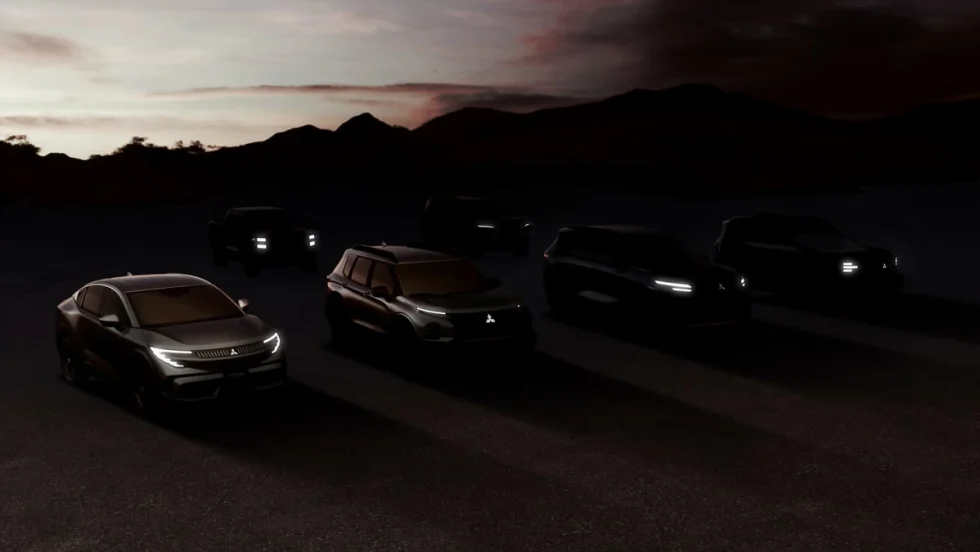
Mitsubishi Unveils U.S. Plan
The automaker announced a strategy that includes an expanded lineup and dealership presence, along with more ‘rugged’ and electric models.
Read More →
Used Lots Getting the Business
Many consumers are seeking out the units to save money, and the demand – higher in July than normal – is keeping supply limited and prices up.
Read More →
Used Market Stabilizes
The Carfax Used Car Index noted a major drop in used-vehicle price increases in July after several months of hikes.
Read More →