



BMW to Hit EV Targets Early
The automaker predicts over 50% of its sales will be electric vehicles before 2030.

BMW also forecasts a hydrogen-powered vehicle in its future.
Luis Quintero
BMW predicts that more than 50% of its sales will be all-electric vehicles well ahead of a 2030 target. The automaker also forecasted in a recent press conference that it will have a hydrogen-powered car enter production in the second half of the decade.
It expects slightly increased deliveries and an 8% to 10% margin this year, up from its 7% to 9% target in 2022. But it tempered enthusiasm by cautioning that high costs from supply chain troubles and a potential deep recession could impact the outlook.
BMW finance chief Nicolas Peter reported that he expects energy and chip supply to stabilize but still predicts significant cost burdens from logistics bottlenecks and high raw material prices.
Still, BMW reported plans to keep prices stable, despite a recent history of passing on higher costs to customers.
The forecast mirrors the rest of the auto industry, which hopes for a stronger 2023 but sees supply chain problems, high inflation in Europe, and uncertainty over China's post-pandemic economic recovery as risks.
Chief Executive Oliver Zipse also said he could envision a hydrogen-powered vehicle going into production by mid-decade. An expansion of the hydrogen fueling network will be needed to make that happen, reported development chief Frank Weber on the call.
"We see hydrogen-electric vehicles as a meaningful complement to e-mobility, even with something of a time lag," Zipse said.
The BMW iX5 Hydrogen test vehicle has a 310-mile range and can refuel in three to four minutes. The vehicle is being tested in various countries, BMW reported in a press release.
The German carmaker reported an 8.6% margin in auto business on earnings before interest and tax of $11.37 billion and cash flow of 11.1 billion euros.
Originally posted on Auto Dealer Today
More Showroom

California Sees Quarterly Gains
California’s new-vehicle market saw a boost in hybrids in the third quarter and its first overall quarterly market gain of the year.
Read More →
New-Vehicle Prices Stay Put
Affordability pressures and model availability shaped new-vehicle sales in September, according to an analysis by Kelley Blue Book.
Read More →
EV Buyer Consideration Shifts
What drives American consumers to purchase an electric vehicle is shifting as the question moves away from Should I?' to 'Which features and experience do I want to have?'
Read More →
Year-to-Date Auto Sales Holding Their Own
A forecast through August shows that automakers have shifted strategies to keep deliveries and revenues up despite tariffs and other economic challenges.
Read More →
Slow to Robo
Ten years of polling consumers shows autonomous vehicles’ profiles have risen considerably, but even more people now want at least some level of control if they go that route.
Read More →
Dealers a Little Down
A third-quarter Cox Automotive survey finds them in a mixed mood, bummed by fallen customer traffic but encouraged by better profits, costs and EV interest.
Read More →
European EV Sales Skyrocket
The EV market on the continent held strong in July with almost 25% of new-car sales being fully electric units, a stark contrast to the U.S., where EV sales declined about 42%.
Read More →
Mitsubishi Unveils U.S. Plan
The automaker announced a strategy that includes an expanded lineup and dealership presence, along with more ‘rugged’ and electric models.
Read More →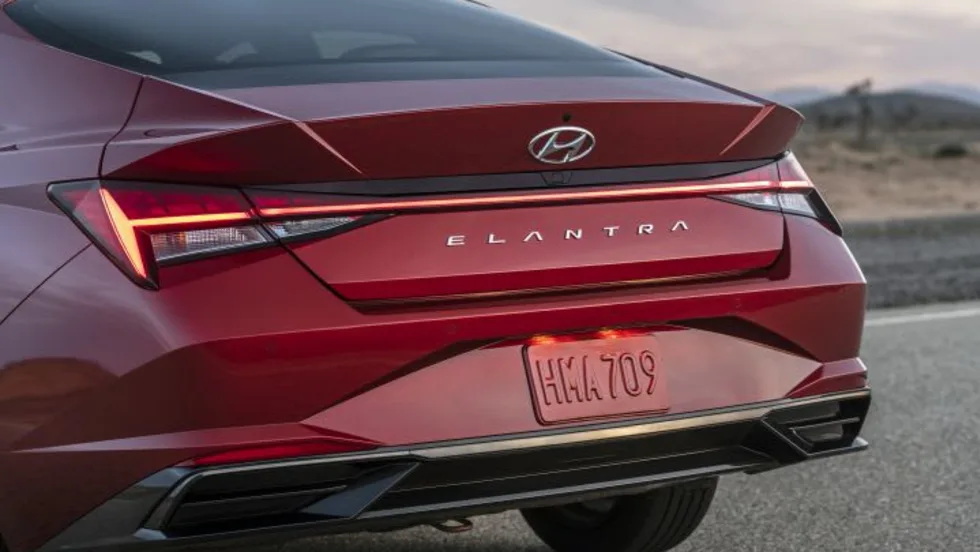
Used Lots Getting the Business
Many consumers are seeking out the units to save money, and the demand – higher in July than normal – is keeping supply limited and prices up.
Read More →
Used Market Stabilizes
The Carfax Used Car Index noted a major drop in used-vehicle price increases in July after several months of hikes.
Read More →