



Build-to-Order Gains Momentum
High demand coupled with low inventory has spurred consumers to order the vehicle they want.

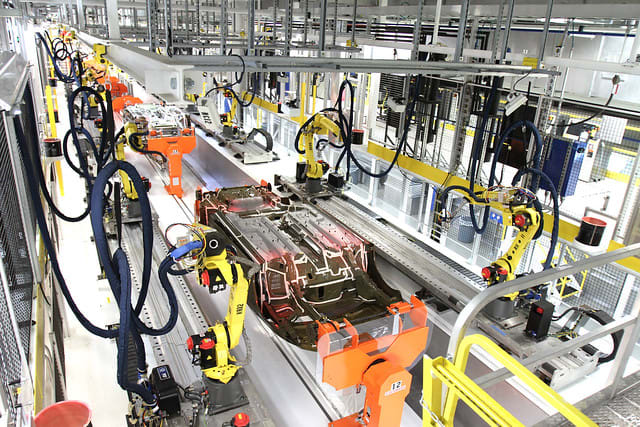
Sterling Heights Assembly Plant is an automobile manufacturing factory operated by Stellantis North America.
Flickr
Consumers have always been able to order their vehicles to their exacting specs. But until recently it didn’t generate must interest. Now build to order is gaining momentum dealer inventories bottom out.
The current situation of high demand but low inventory has spurred some consumers to order the vehicle they want from exact model, trim line and color rather than pick from what’s available on the lot.
The dealership submits an order to the manufacturer, and the consumer waits for the manufacturer to build their vehicle. This process is novel in the United States, but is the way consumers buy vehicles in other countries. American consumers have traditionally wanted more immediate satisfaction, hoping to drive their new vehicle home the same day.
The million dollar question is whether consumers will keep ordering their vehicles once the microchip shortage eases and dealers fill their lots.
There are signs that American car buyers aren’t that impatient and may order what they want and wait for it, even after the inventory shortage corrects itself.
A recent Urban Science-Harris Poll survey asked car consumers how they would react if their vehicle of choice wasn’t available at their preferred dealership because of the inventory shortage. Thirty percent of respondents said they would wait while 70% said they would consider something else and 42% said they would consider another dealership.
Today’s build-to-order process is more efficient and faster than before. The process is now digital with the order sent electronically to the factory. Today’s modern flexible manufacturing process also makes it easier for automakers to build a vehicle to customer specifications.
Special-order products no longer delay productions. Today, the auto plant’s computer operating system ensures specific parts and equipment are delivered in a timely manner to the different points along the assembly line.
Even automakers such as Ford now encourage consumers to use it.
“There’s a huge potential for it,” said Ben Robertattio, a vice president at Foy Linnihan, an ad agency with dealer clients.
Robertattio once worked for a Porsche dealership “where about 40% of the cars were ordered out,” he tells WardsAuto. “Historically, we haven’t seen it much with mainstream vehicles. But I think dealers are ready to embrace it. It’s like building a house; so many things are customized.”
Customers will also appreciate build to order. It not only fulfills their requests, but it “builds the customer experience,” Robertattio says.
Originally posted on Auto Dealer Today
More Showroom

New Cars Less Affordable
Buying conditions eroded for American shoppers last month due to inflation and interest rates, though they fared better than a year ago.

October Sales Divided
Inventory trends split between the new- and used-vehicle markets, though prices continued to rise for both in October.

Auto Transaction Prices Hit New Height
October sales of big, pricey models push up the average, even as budget-conscious consumers snag more economical options.

Making the Safe Choice
Kelley Blue Book has turned households with teen drivers onto safe and affordable options for their vehicles of choice

Inventory Holds Steady
September new-vehicle inventory rose slightly month-over-month, but dealer lots are laden with MY2026 vehicles as the typical model year changeover trudges along.

October Auto Sales Fall With the Leaves
A forecast anticipates retail deliveries are down this month as consumers continue to face cost challenges, though more are tapping long loans in order to buy.

California Sees Quarterly Gains
California’s new-vehicle market saw a boost in hybrids in the third quarter and its first overall quarterly market gain of the year.

New-Vehicle Prices Stay Put
Affordability pressures and model availability shaped new-vehicle sales in September, according to an analysis by Kelley Blue Book.

EV Buyer Consideration Shifts
What drives American consumers to purchase an electric vehicle is shifting as the question moves away from Should I?' to 'Which features and experience do I want to have?'

Year-to-Date Auto Sales Holding Their Own
A forecast through August shows that automakers have shifted strategies to keep deliveries and revenues up despite tariffs and other economic challenges.