



CarMD: Ignition Coils, Spark Plugs, O2 Sensors Caused Trouble in 2018
Car repair costs were up across all U.S. regions last year in CarMD’s latest Vehicle Health Index report, and ignition coils, spark plugs, and oxygen sensors tied for the lead in check engine repairs.

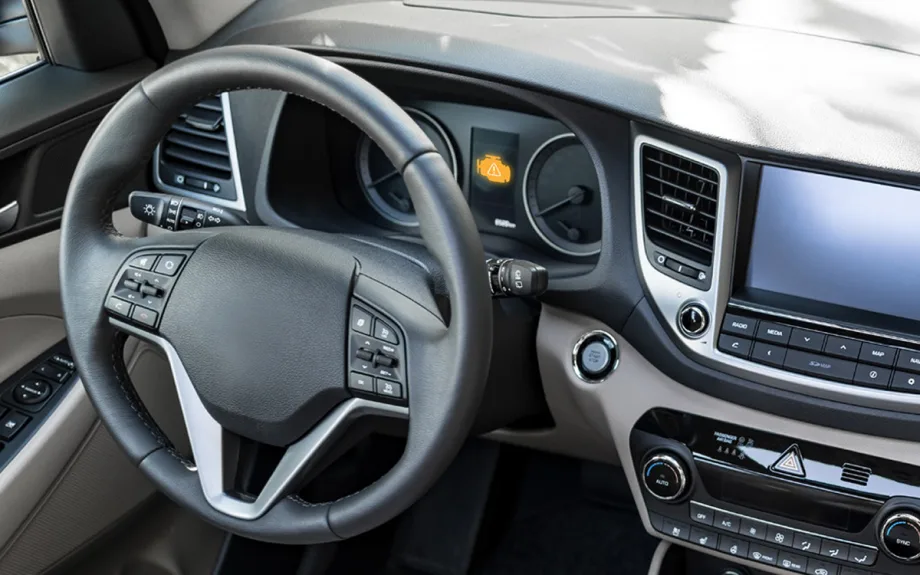
The average cost to repair a check engine problem increased by 11% to a national average of $381 in 2018, according to the latest figures from CarMD.
Photo courtesy CarMD
IRVINE, Calif. — Automotive diagnostics data and business solutions provider CarMD released its latest CarMD Vehicle Health Index, an annual report designed to provide an overview of information related to check engine-related car repairs, costs, and trends.
For the first time, analysts included parts and component rankings, reporting a three-way tie for the No. 1 most commonly diagnosed check engine light repair. “Replace ignition coil(s) and spark plug(s)” and “replace oxygen sensor” each accounted for 5.81% of repairs in 2018. U.S. vehicle owners also saw a 6.5% year-over-year increase in the average cost to repair check engine light issues, with costs up across all four U.S. regions.
“Several factors impact the type and cost of repairs, including vehicle age, driving conditions, upkeep and how often a driver addresses a dashboard warning light, which can snowball from a single faulty spark plug into the need for additional repairs if ignored,” said Ieon Chen, CEO of CarMD. “By monitoring industry trends, we hope to educate drivers about the importance of repair and maintenance. Likewise, as our data reports an increase or decrease in a particular repair, automotive service professionals can adjust their customer communication and parts inventory accordingly.”
Rounding out the five most common problems found to trigger the check engine light after ignition coil and spark plug, and O2 sensor were the catalytic converter, loose or damaged fuel cap, and ignition coil without spark plug replacement. There was a slight increase in ignition coil issues, while slightly fewer mass air flow sensor, oxygen sensor and EVAP purge control valve replacements in 2018.
Analysts found the average cost to repair a check engine problem in the U.S. in 2018 was $381, including parts ($224) and labor ($157), representing an 11% increase in labor and 3.5% uptick in parts costs. Repair costs were up across all regions of the U.S., with the West seeing the largest increase (8%) and Midwest seeing the smallest (1%).
Vehicle owners in the West paid the most for check engine-related car repairs ($387) — nearly 6% more than drivers in the Midwest, who paid the least ($366). The most common repair in the West, Midwest and Northeast was “replace oxygen sensor(s)” while it was “replace ignition coil(s) and spark plug(s)” in the South.
To read the report in its entirety, click here.
Originally posted on Auto Dealer Today
More Showroom

New Cars Less Affordable
Buying conditions eroded for American shoppers last month due to inflation and interest rates, though they fared better than a year ago.

October Sales Divided
Inventory trends split between the new- and used-vehicle markets, though prices continued to rise for both in October.
Auto Transaction Prices Hit New Height
October sales of big, pricey models push up the average, even as budget-conscious consumers snag more economical options.

Making the Safe Choice
Kelley Blue Book has turned households with teen drivers onto safe and affordable options for their vehicles of choice

Inventory Holds Steady
September new-vehicle inventory rose slightly month-over-month, but dealer lots are laden with MY2026 vehicles as the typical model year changeover trudges along.

October Auto Sales Fall With the Leaves
A forecast anticipates retail deliveries are down this month as consumers continue to face cost challenges, though more are tapping long loans in order to buy.

California Sees Quarterly Gains
California’s new-vehicle market saw a boost in hybrids in the third quarter and its first overall quarterly market gain of the year.

New-Vehicle Prices Stay Put
Affordability pressures and model availability shaped new-vehicle sales in September, according to an analysis by Kelley Blue Book.

EV Buyer Consideration Shifts
What drives American consumers to purchase an electric vehicle is shifting as the question moves away from Should I?' to 'Which features and experience do I want to have?'

Year-to-Date Auto Sales Holding Their Own
A forecast through August shows that automakers have shifted strategies to keep deliveries and revenues up despite tariffs and other economic challenges.