



Challenges Mount to the EPA Rollback of Emissions Standards
Sixteen now stand together in challenge to the EPA's tougher vehicle emissions rules that rollback reduced rules set under the Trump Administration.


EPA
Sixteen now stand together in challenge to the EPA's tougher vehicle emissions rules that rollback reduced rules set under the Trump Administration.
Most recently, Texas joined challenges already filed by Ohio, Alabama, Arkansas, Alaska, Indiana, Kentucky, Louisiana, Mississippi, Missouri, Montana, Nebraska, Oklahoma, South Carolina and Utah. The state of Arizona has filed a separate legal challenge.
Corn and soybean growers’ associations, the American Fuel And Petrochemical Manufacturers, and other organizations have also filed challenges to the tougher emissions rules.
The corn growers and other ethanol producers reported that the new EPA rules revising emission requirements through 2026 “effectively mandate the production and sale of electric cars rather than cars powered by internal combustion engines.” The EPA hasn’t commented on the challenges.
On Monday, conservative U.S. Supreme Court justices questioned the EPA's authority to issue sweeping regulations to reduce carbon emissions from power plants in West Virginia vs. EPA. Environmentalist’s fear could the Court could undermine Biden's plans to tackle climate change in this case.
When expressed in miles per gallon (mpg) requirements, the new EPA rules would result in a fleetwide real-world average of about 40 mpg in 2026, versus 38 mpg under the initial Biden Administration proposal and 32 mpg under the Trump rules.
Biden seeks to have 50% of all new vehicles sold in 2030 to be EV or plug-in hybrid models. He has not endorsed California's plan to phase out new gas-powered light-duty vehicles by 2035.
The new rules will take effect with the 2023 model year and require a 28.3% reduction in vehicle emissions through 2026.
State soybean groups and a Valero subsidiary report the final rule exceeds "EPA’s authority by favoring one technology, electric vehicles, over others, including" ethanol produced by farmers.
The groups say the EPA failed to "adequately considering the vast greenhouse gas reduction benefits provided by renewable fuels.”
The Competitive Enterprise Institute and Domestic Energy Producers Alliance filed a separate challenge. This group maintains the rule seeks "to establish stringent fleet-wide automobile emission standards with credit trading and enhanced credits for electric vehicles, but the agency lacks the legal authority to issue such a rule."
Originally posted on Auto Dealer Today
More Showroom
California Sees Quarterly Gains
California’s new-vehicle market saw a boost in hybrids in the third quarter and its first overall quarterly market gain of the year.
Read More →
New-Vehicle Prices Stay Put
Affordability pressures and model availability shaped new-vehicle sales in September, according to an analysis by Kelley Blue Book.
Read More →
EV Buyer Consideration Shifts
What drives American consumers to purchase an electric vehicle is shifting as the question moves away from Should I?' to 'Which features and experience do I want to have?'
Read More →
Year-to-Date Auto Sales Holding Their Own
A forecast through August shows that automakers have shifted strategies to keep deliveries and revenues up despite tariffs and other economic challenges.
Read More →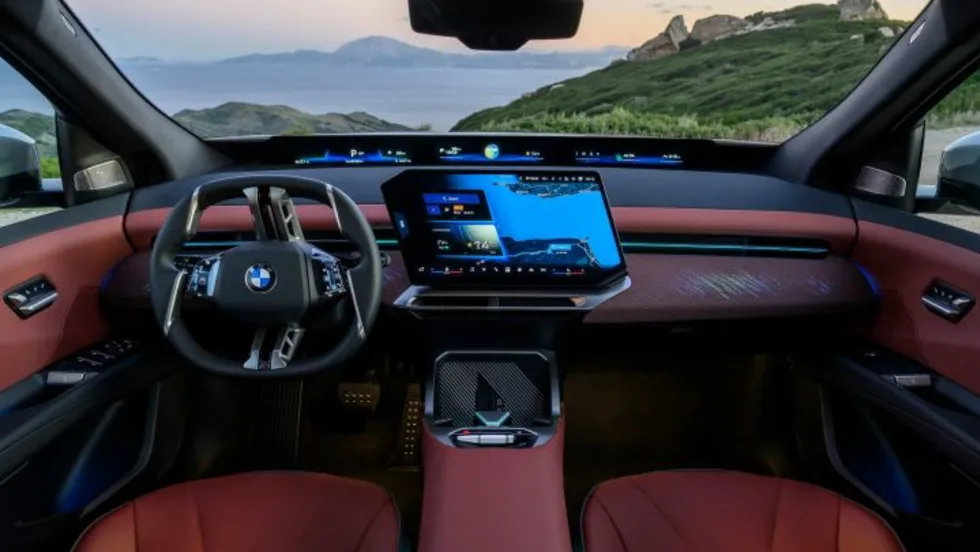
Slow to Robo
Ten years of polling consumers shows autonomous vehicles’ profiles have risen considerably, but even more people now want at least some level of control if they go that route.
Read More →
Dealers a Little Down
A third-quarter Cox Automotive survey finds them in a mixed mood, bummed by fallen customer traffic but encouraged by better profits, costs and EV interest.
Read More →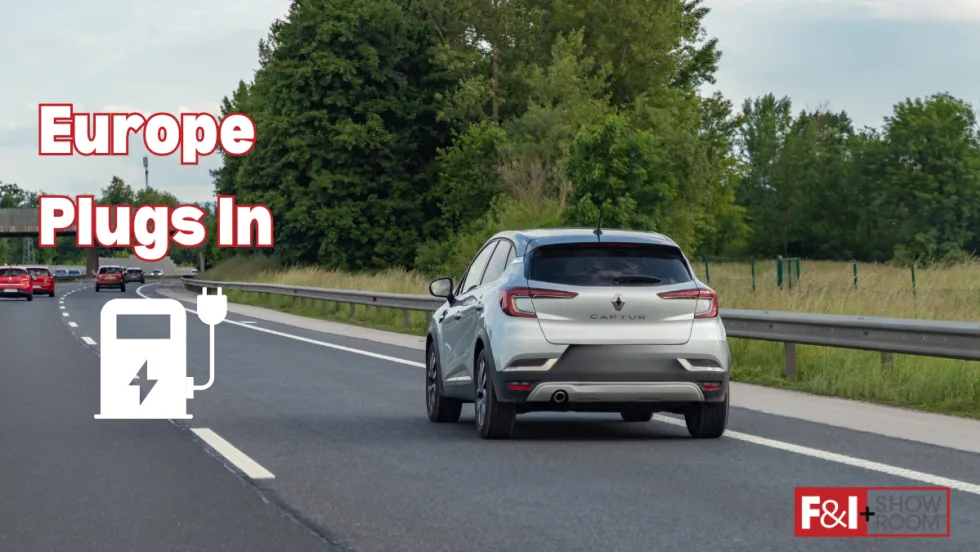
European EV Sales Skyrocket
The EV market on the continent held strong in July with almost 25% of new-car sales being fully electric units, a stark contrast to the U.S., where EV sales declined about 42%.
Read More →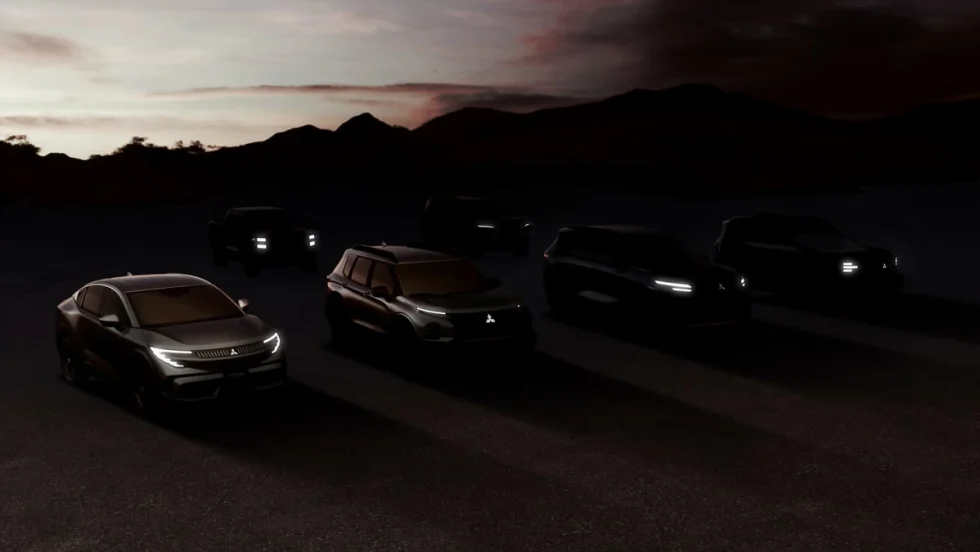
Mitsubishi Unveils U.S. Plan
The automaker announced a strategy that includes an expanded lineup and dealership presence, along with more ‘rugged’ and electric models.
Read More →
Used Lots Getting the Business
Many consumers are seeking out the units to save money, and the demand – higher in July than normal – is keeping supply limited and prices up.
Read More →
Used Market Stabilizes
The Carfax Used Car Index noted a major drop in used-vehicle price increases in July after several months of hikes.
Read More →