



Court Freezes VW Assets in Russia
They will remain so until automaker’s dispute with Russian automaker GAZ is resolved.


Automakers need permission from Russian government to sell off their Russian assets over its conflict in Ukraine.
Markus Spiske
A Russian court has frozen all Volkswagen assets in Russia as the German automaker works to wind down its Russian operations.
Volkswagen, along with other foreign auto manufacturers, suspended operations in Russia last year when Western countries imposed sanctions on Moscow over the war in Ukraine.
Since then, Volkswagen has been trying to sell its Russian assets, including its Kaluga production plant, which can produce up to 225,000 vehicles a year. Volkswagen furloughed the plant in March 2022.
Russian auto manufacturer GAZ, which contracted to produce Volkswagen vehicles at its factory in Nizhny Novgorod, is behind the lawsuit. GAZ sued Volkswagen for breach of contract after the automaker terminated its production agreement with GAZ in August. The lawsuit seeks to halt any sale of the automaker’s assets in Russia.
Court filings allege Volkswagen's attempts to exit the Russian market put GAZ’ interests at risk. The company is seeking $201.3 million in damages over the terminated contract.
A Russian court has now agreed to freeze all of Volkswagen's assets in Russia while the dispute with GAZ plays out.
Czech carmaker Skoda Auto, part of the Volkswagen Group, reported last week that is is in the final stages of a deal to sell its Russian assets.
Russia mandates that companies from “unfriendly” countries, or those that have imposed sanctions on Russia, must win approval from a government commission before they can sell any Russian assets. It is feared that Russia might nationalize strategic assets over the restrictions in sales.
Other leading Western automakers have already left the Russian market. France’s Renault sold a majority stake in Avtovaz to a Russian state entity for one rouble and wrote off assets valued at $2.35 billion.
Auto production in Russia fell by 67% last year, its lowest level since the Soviet Union collapsed.
Originally posted on Auto Dealer Today
More Showroom

California Sees Quarterly Gains
California’s new-vehicle market saw a boost in hybrids in the third quarter and its first overall quarterly market gain of the year.
Read More →
New-Vehicle Prices Stay Put
Affordability pressures and model availability shaped new-vehicle sales in September, according to an analysis by Kelley Blue Book.
Read More →
EV Buyer Consideration Shifts
What drives American consumers to purchase an electric vehicle is shifting as the question moves away from Should I?' to 'Which features and experience do I want to have?'
Read More →
Year-to-Date Auto Sales Holding Their Own
A forecast through August shows that automakers have shifted strategies to keep deliveries and revenues up despite tariffs and other economic challenges.
Read More →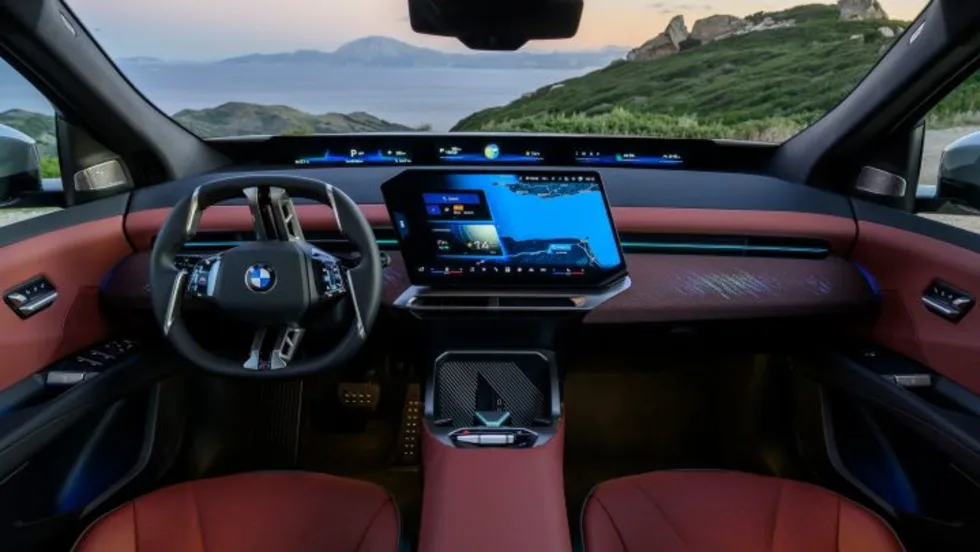
Slow to Robo
Ten years of polling consumers shows autonomous vehicles’ profiles have risen considerably, but even more people now want at least some level of control if they go that route.
Read More →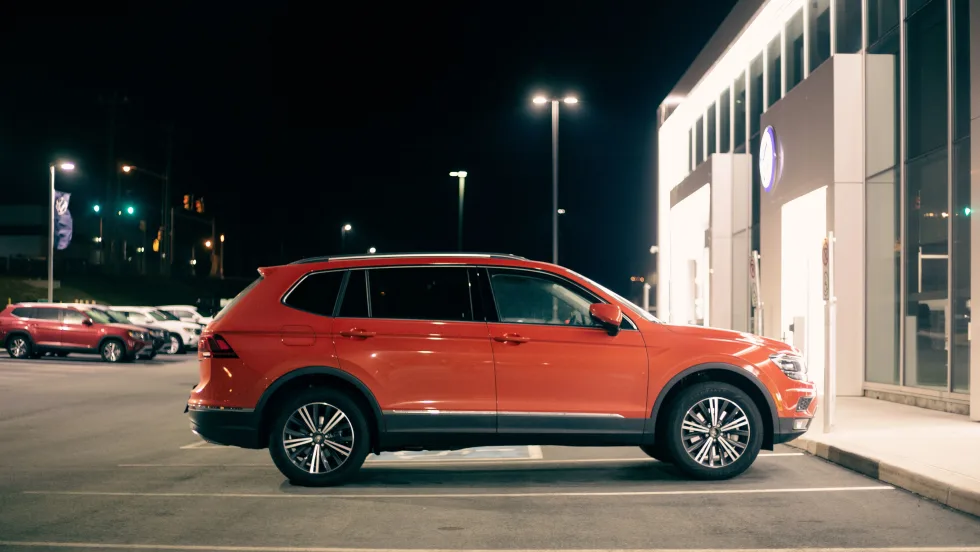
Dealers a Little Down
A third-quarter Cox Automotive survey finds them in a mixed mood, bummed by fallen customer traffic but encouraged by better profits, costs and EV interest.
Read More →
European EV Sales Skyrocket
The EV market on the continent held strong in July with almost 25% of new-car sales being fully electric units, a stark contrast to the U.S., where EV sales declined about 42%.
Read More →
Mitsubishi Unveils U.S. Plan
The automaker announced a strategy that includes an expanded lineup and dealership presence, along with more ‘rugged’ and electric models.
Read More →
Used Lots Getting the Business
Many consumers are seeking out the units to save money, and the demand – higher in July than normal – is keeping supply limited and prices up.
Read More →
Used Market Stabilizes
The Carfax Used Car Index noted a major drop in used-vehicle price increases in July after several months of hikes.
Read More →