



Cox Automotive Dealer Sentiment Index: Signs of Optimism Among U.S. Automobile Dealers Despite a Slow Start to the Year
Facing a slow start to the year, and with concerns over inflation and the economy, automobile dealer sentiment softened in Q1, marking the third consecutive quarter-over-quarter decline in current market sentiment.


Facing a slow start to the year, and with concerns over inflation and the economy, automobile dealer sentiment softened in Q1, marking the third consecutive quarter-over-quarter decline in current market sentiment.
Facing a slow start to the year, and with concerns over inflation and the economy, automobile dealer sentiment softened in Q1, marking the third consecutive quarter-over-quarter decline in current market sentiment. Still, at 57, the current market index remains above the positive threshold in the latest Cox Automotive Dealer Sentiment Index (CADSI).
The index reading of 57 indicates that more U.S. automobile dealers feel the current market is strong compared to the number who feel the current market is weak. The key drivers of sentiment saw marginal shifts in Q1. The 3-month, forward-looking market outlook index rose modestly – reflecting the typical spring bounce – and, at 64, is above the 59 recorded in Q1 2021. The overall profit index saw a small decline to 54, down from 57 last quarter, but remains well above any point before the COVID-19 pandemic. The price pressure index, likewise, increased slightly in Q1 but remains historically low, indicating fewer dealers feel pressure to lower their prices.
“As we enter the spring market, we can see the small green shoots of optimism from the U.S. auto dealers,” said Cox Automotive Chief Economist Jonathan Smoke. “Most dealers have weathered the storm well, and we suspect there is hope the pandemic may finally be waning. Views of the economy weakened modestly, but dealer profits are historically strong and demand remains robust. Those are good signs for the industry.”
The Q1 2022 CADSI research was in market from January 24 to February 7, just past the height of the omicron variant. Importantly, though, the research was done before the Russian invasion of Ukraine, and before gasoline prices in the U.S. moved into record territory. Even before the situation worsened, the U.S. economy index score dropped from 52 in Q4 2021 to 49 in Q1, indicating more dealers felt the economy was weak compared to those who thought it was strong. The score of 49, however, is higher than it was a year ago in Q1 2021 when the index score was 44.
“The tragic situation in Ukraine, of course, adds a level of uncertainty to the U.S. economy that will impact the U.S. consumer. Higher gas prices, a struggling stock market, inflation, and the potential for more supply chain disruptions – these factors will slow any anticipated market recovery and may impact dealer sentiment in Q2. Right now, though, it’s too soon to know how long the situation will last or how bad it will get,” added Smoke.
Originally posted on Agent Entrepreneur
More Showroom

California Sees Quarterly Gains
California’s new-vehicle market saw a boost in hybrids in the third quarter and its first overall quarterly market gain of the year.
Read More →
New-Vehicle Prices Stay Put
Affordability pressures and model availability shaped new-vehicle sales in September, according to an analysis by Kelley Blue Book.
Read More →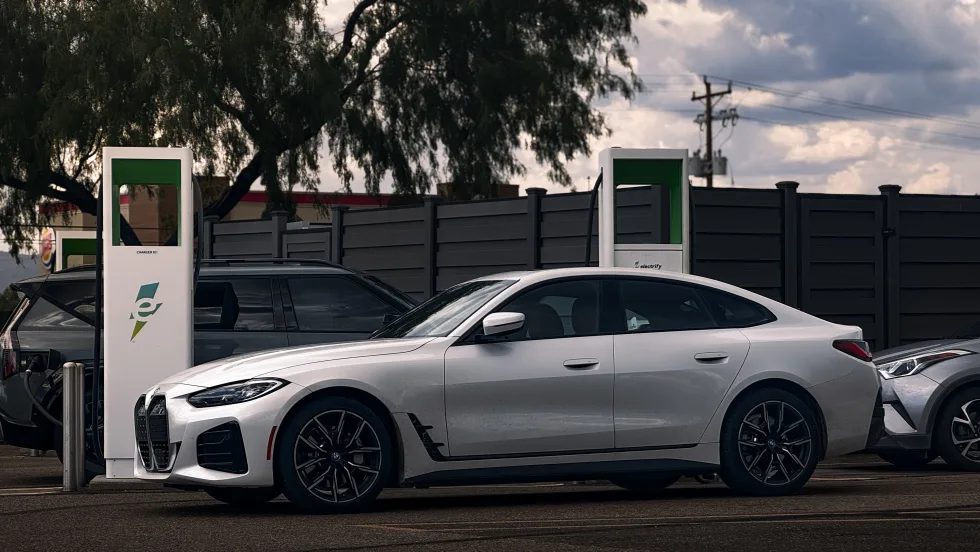
EV Buyer Consideration Shifts
What drives American consumers to purchase an electric vehicle is shifting as the question moves away from Should I?' to 'Which features and experience do I want to have?'
Read More →
Year-to-Date Auto Sales Holding Their Own
A forecast through August shows that automakers have shifted strategies to keep deliveries and revenues up despite tariffs and other economic challenges.
Read More →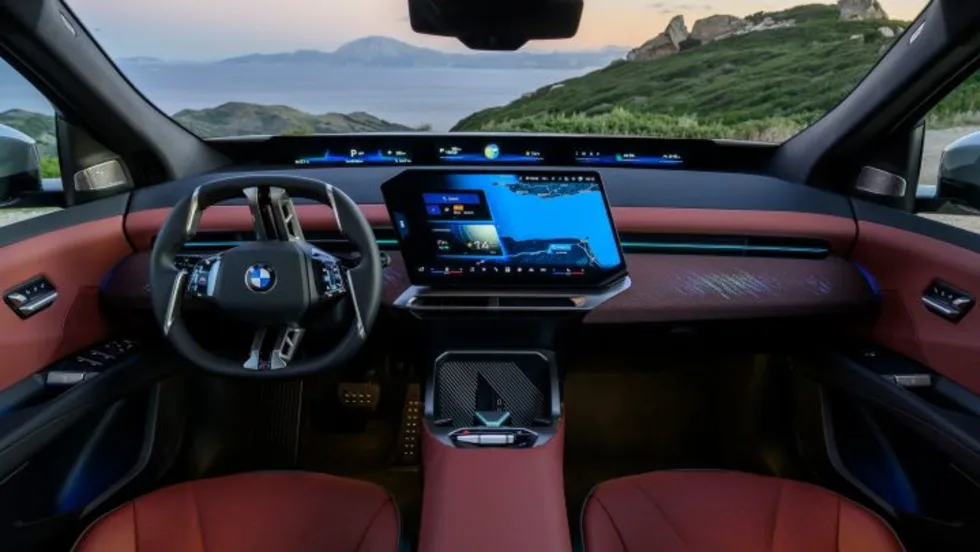
Slow to Robo
Ten years of polling consumers shows autonomous vehicles’ profiles have risen considerably, but even more people now want at least some level of control if they go that route.
Read More →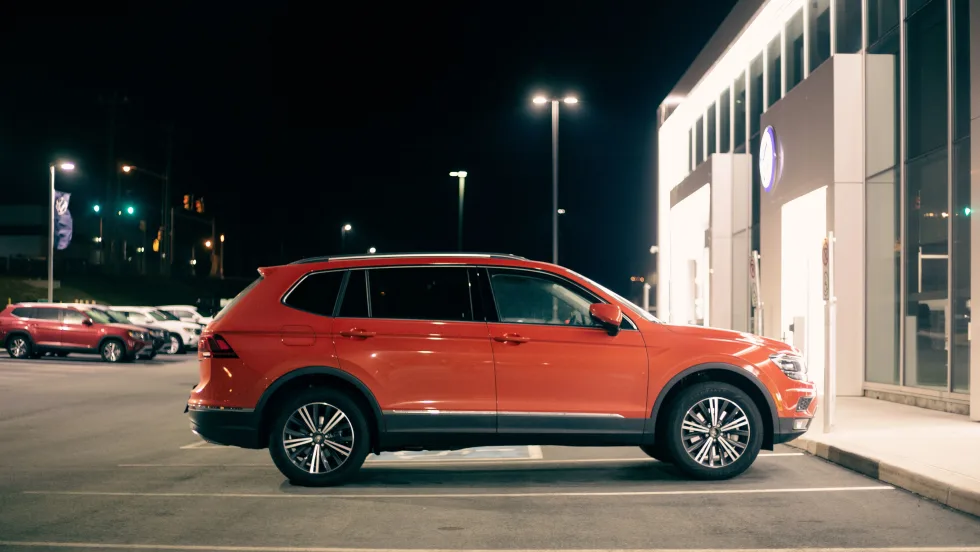
Dealers a Little Down
A third-quarter Cox Automotive survey finds them in a mixed mood, bummed by fallen customer traffic but encouraged by better profits, costs and EV interest.
Read More →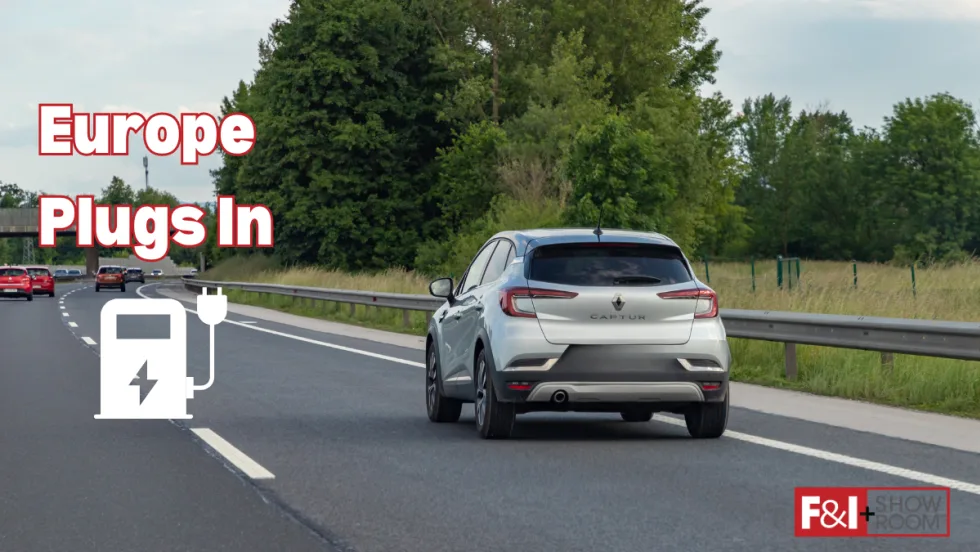
European EV Sales Skyrocket
The EV market on the continent held strong in July with almost 25% of new-car sales being fully electric units, a stark contrast to the U.S., where EV sales declined about 42%.
Read More →
Mitsubishi Unveils U.S. Plan
The automaker announced a strategy that includes an expanded lineup and dealership presence, along with more ‘rugged’ and electric models.
Read More →
Used Lots Getting the Business
Many consumers are seeking out the units to save money, and the demand – higher in July than normal – is keeping supply limited and prices up.
Read More →
Used Market Stabilizes
The Carfax Used Car Index noted a major drop in used-vehicle price increases in July after several months of hikes.
Read More →