



Cox Automotive: Vehicle Loss From Hurricane Ian Could Top 50,000
Cox Automotive believes the likely range of severely damaged vehicles that could need replacement is between 30,000 and 70,000 vehicles.

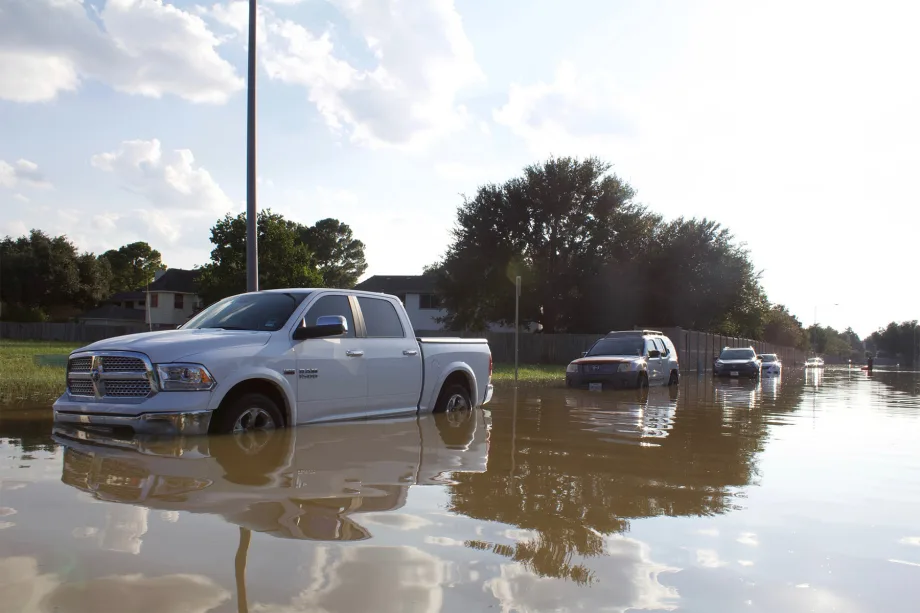
Cox Automotive believes the likely range of severely damaged vehicles that could need replacement is between 30,000 and 70,000 vehicles.
IMAGE: Pixabay
COX AUTOMOTIVE – We have received many inquiries about what we believe the damage due to Hurricane Ian might have been in Florida and the subsequent impact on replacement demand and wholesale prices. Here’s our thinking at this point:
We believe the likely range of severely damaged vehicles that could need replacement is between 30,000 and 70,000 vehicles. As it is still early days in the aftermath of Ian, we recognize that is indeed a large range, so we will consider the mid-point at 50,000 vehicles.
That vehicle-specific impact – 50,000 vehicles – is a fraction of what Hurricane Harvey produced in 2017 when it hit Houston and southeast Texas. In terms of vehicle damage, Harvey remains unchallenged, as estimates for vehicle loss due to Harvey were in excess of 300,000.
Our significantly lower estimates for Hurricane Ian are based on three key assumptions.
Hurricane Harvey hit one of the most vehicle-dense markets in America. In 2017, Harris County, which includes the city of Houston and is among the most populated areas in the country, had approximately 2,100 vehicles per square mile. By contrast, the footprint impacted by Hurricane Ian has a quarter of that density.
Hurricane Ian was a relatively fast-moving storm, and the significant property and vehicle damage was principally the result of wind and storm surge, focused mostly on the west coast of Florida. Hurricane Harvey damage, on the other hand, was caused by historic rainfall – 40-inches plus in some areas – that significantly flooded a much larger vehicle-dense area. Hurricane Harvey essentially sat over the Houston metropolitan area for 48-plus hours.
The impact of Hurricane Harvey was also more of a surprise, which resulted in fewer evacuations. While the exact trajectory of Hurricane Ian was incorrectly forecast – it hit farther south than anticipated, sparing the larger Tampa area – the size and scope of the storm were well publicized ahead of time and larger evacuation efforts were undertaken.
More Showroom

New Cars Less Affordable
Buying conditions eroded for American shoppers last month due to inflation and interest rates, though they fared better than a year ago.

October Sales Divided
Inventory trends split between the new- and used-vehicle markets, though prices continued to rise for both in October.

Auto Transaction Prices Hit New Height
October sales of big, pricey models push up the average, even as budget-conscious consumers snag more economical options.

Making the Safe Choice
Kelley Blue Book has turned households with teen drivers onto safe and affordable options for their vehicles of choice

Inventory Holds Steady
September new-vehicle inventory rose slightly month-over-month, but dealer lots are laden with MY2026 vehicles as the typical model year changeover trudges along.

October Auto Sales Fall With the Leaves
A forecast anticipates retail deliveries are down this month as consumers continue to face cost challenges, though more are tapping long loans in order to buy.

California Sees Quarterly Gains
California’s new-vehicle market saw a boost in hybrids in the third quarter and its first overall quarterly market gain of the year.

New-Vehicle Prices Stay Put
Affordability pressures and model availability shaped new-vehicle sales in September, according to an analysis by Kelley Blue Book.

EV Buyer Consideration Shifts
What drives American consumers to purchase an electric vehicle is shifting as the question moves away from Should I?' to 'Which features and experience do I want to have?'

Year-to-Date Auto Sales Holding Their Own
A forecast through August shows that automakers have shifted strategies to keep deliveries and revenues up despite tariffs and other economic challenges.