



Cox Predicts 7% Drop in March Sales
The latest forecast from Cox Automotive puts March new-vehicle sales at 1.547 million, a nearly 7% year-over-year decline, but raises the SAAR from 16.5 million to 16.8 million.


Last week’s Rally in the 100 Acre Wood featured a Subaru WRX STI driven by David Higgins and Craig Drew. Subaru’s U.S. sales are up 2.3% in Cox Automotive’s March forecast, which predicts a 7% decline industrywide.
Photo courtesy Subaru of America Inc.
ATLANTA — Following a lower-than-expected February, Cox Automotive is forecasting March U.S. auto sales volume to hit 1.547 million, an increase from last month, but a nearly 7% decline from March 2018. The seasonally adjusted annual rate (SAAR) of sales is forecast to be 16.8 million units, up from February’s sales pace of 16.5 million, but down from last year’s 17.2 million pace.
Even with healthy March sales, the sales rate in the first quarter of 2019 is expected to be 16.7 million units, below the 17.1 million sales rate achieved in the first quarter of 2018. Over the past five years, March has been among the strongest months for new-vehicle sales as consumers emerge from winter hibernation and buy new vehicles, noted Charlie Chesbrough, senior economist at Cox Automotive
“We will be carefully watching how sales perform this month,” Chesbrough said. “March is an important indicator of the overall strength of the automotive market.”
Several factors are contributing to the auto sales outlook for the month. The number of selling days is 27, one fewer than last year, which increases the seasonal adjustment applied in the SAAR. In addition, volatility in the stock market and consumer confidence, the president’s trade policies, and recent statements by Fed Chairman Jerome Powell are adding uncertainty to the U.S. economy.
At the same time, prices, incentives, and auto loan rates are not presenting compelling reasons to buy. As a result, potential buyers may be hesitant to purchase. There’s little reason to expect the relatively weak sales pace in January and February will improve significantly in March, analysts said.
To read the full report, click here.
Originally posted on Auto Dealer Today
More Showroom

Making the Safe Choice
Kelley Blue Book has turned households with teen drivers onto safe and affordable options for their vehicles of choice
Read More →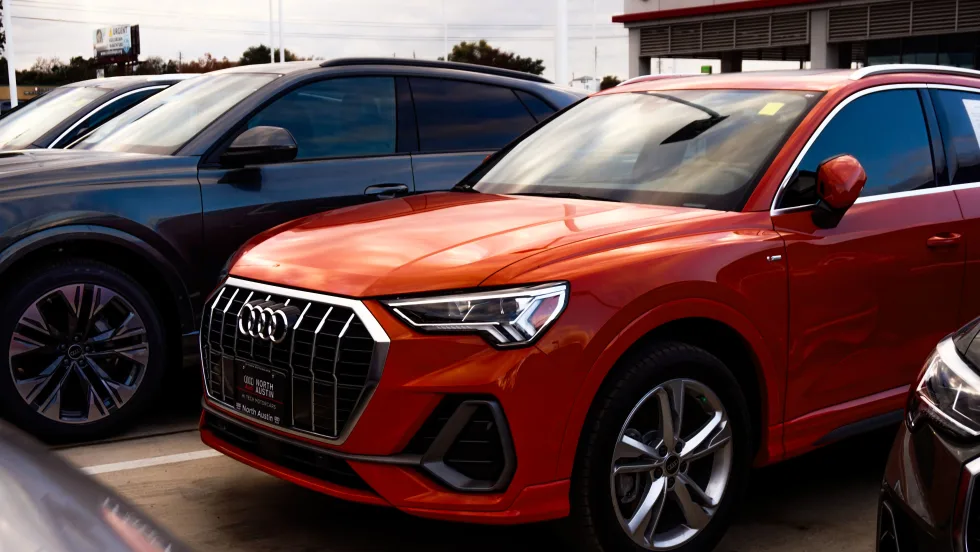
Inventory Holds Steady
September new-vehicle inventory rose slightly month-over-month, but dealer lots are laden with MY2026 vehicles as the typical model year changeover trudges along.
Read More →
October Auto Sales Fall With the Leaves
A forecast anticipates retail deliveries are down this month as consumers continue to face cost challenges, though more are tapping long loans in order to buy.
Read More →
California Sees Quarterly Gains
California’s new-vehicle market saw a boost in hybrids in the third quarter and its first overall quarterly market gain of the year.
Read More →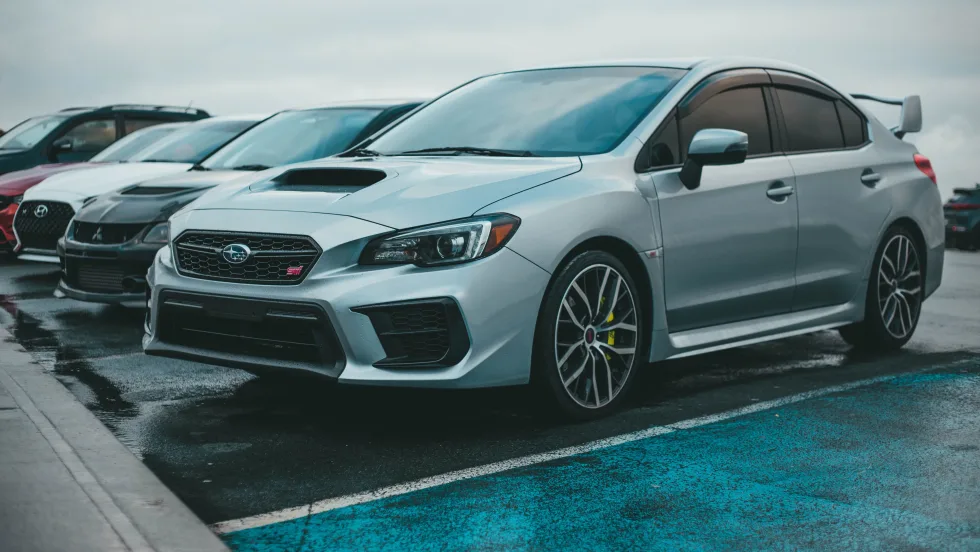
New-Vehicle Prices Stay Put
Affordability pressures and model availability shaped new-vehicle sales in September, according to an analysis by Kelley Blue Book.
Read More →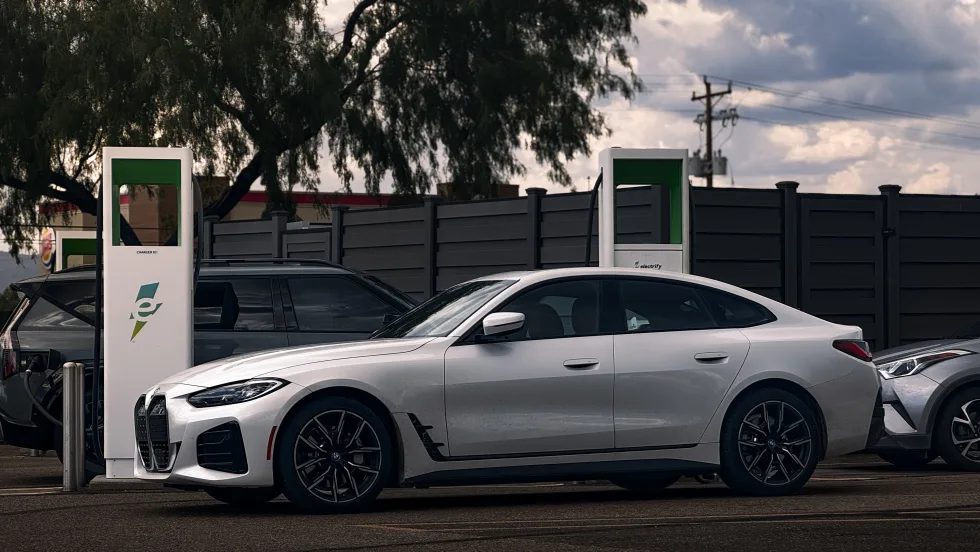
EV Buyer Consideration Shifts
What drives American consumers to purchase an electric vehicle is shifting as the question moves away from Should I?' to 'Which features and experience do I want to have?'
Read More →
Year-to-Date Auto Sales Holding Their Own
A forecast through August shows that automakers have shifted strategies to keep deliveries and revenues up despite tariffs and other economic challenges.
Read More →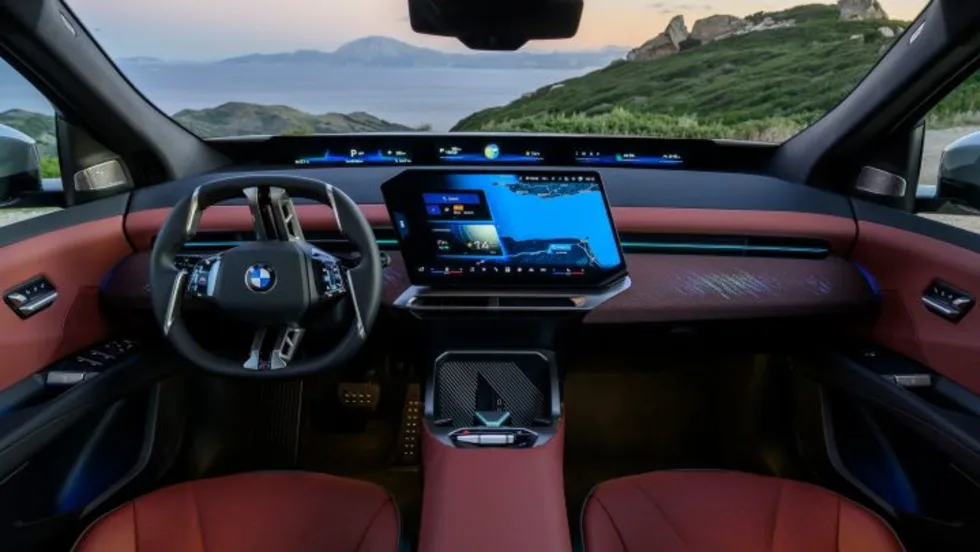
Slow to Robo
Ten years of polling consumers shows autonomous vehicles’ profiles have risen considerably, but even more people now want at least some level of control if they go that route.
Read More →
Dealers a Little Down
A third-quarter Cox Automotive survey finds them in a mixed mood, bummed by fallen customer traffic but encouraged by better profits, costs and EV interest.
Read More →
European EV Sales Skyrocket
The EV market on the continent held strong in July with almost 25% of new-car sales being fully electric units, a stark contrast to the U.S., where EV sales declined about 42%.
Read More →