



Dealers Seek Actionable AI
Dealers are facing growing frustrations with current generic artificial intelligence tools, according to a survey by Lotlinx, which found they want a solution that understands their inventories.

While 69% of survey respondents reported that they upload their data into generic AI tools daily, only 11% expressed concern about data security.
Canva
Automotive dealers are increasingly adopting artificial intelligence into their business practices, but a new survey found that most are dissatisfied with general-purpose AI tools.
Lotlinx, a VIN performance platform, conducted the poll of about 215 dealership executives across the U.S. in March.
Eighty-four percent of respondents reported that they “often” or “almost always” fail to get what they need from generic AI tools. According to Lotlinx, researchers are calling the growing frustration with AI tools that don’t meet the modern dealership’s needs “Generic AI Fatigue.”
While 54% of dealers reported using generative AI tools weekly, they primarily use them for vehicle descriptions, marketing copy, social media and email templates. But there is growing interest in how AI can be used beyond such surface-level tasks. Specifically, dealers said they want an AI solution that understands their inventories and how their business operates.
Chatbots can be helpful, but dealers reportedly want more actionable AI that functions like a true assistant capable of more than just responding to prompts. Some of the capabilities they said they'd value are a “watch my store” monitoring feature and natural-language inventory queries.
When it comes to maximizing return on investment, more than 56% of dealers want a tool that can assess their inventory risks.
One area of concern that the survey uncovered lack of awareness among dealers of the data security risks associated with using AI tools. While 69% of respondents reported that they daily upload their data into generic AI tools, only 11% expressed concern about data security. According to Lotlinx, the lack of awareness could expose dealers to operational and competitive risk.
“For too long, dealers have been sold a one-size-fits-all view of AI, where generic tools are expected to solve highly specific business challenges,” said Lotlinx Chief Commercial Officer Randy Kobat.
“When nearly two-thirds of their peers say the tools available to them don't understand their own inventory and 84% say they fail to get useful results, that's not a technology problem, that's an industry problem."
More Digital

Simple But Effective Hacking Surges
Data from the past year at U.S. auto dealerships finds that email and identity phishing are growing threat sources that can dispense with malware by exploiting trust.
Read More →
The Future of Car Dealerships
Artificial intelligence is reshaping the service-drive experience and will help retailers stay competitive.
Read More →
Structure Leads to Optimized Auto Listings
As the average car-buying journey has shifted to a blend of digital and retail, a dealership’s vehicle listings must be optimized to answer shoppers’ questions clearly and accurately.
Read More →
Real Intelligence
AI, though it presents many opportunities for productivity, efficiency and more, isn’t a one-for-one stand-in for people. It can augment human capital but not replace it altogether.
Read More →
Zurich Launches Advisor IQ for F&I Manager Coaching
The new platform uses real transaction data and artificial intelligence-driven insights to help car dealerships improve consistency and performance.
Read More →
F&I in the Digital Age
Digital retailing has not made the F&I manager obsolete. If anything, it has revealed how valuable the role can become when technology is used correctly.
Read More →
Need for Speed: EV Apps Lack Consistency
Fifty-five percent of surveyed EV owners said their mobile applications had a major or moderate impact on their purchasing decisions, but connectivity issues remain a problem.
Read More →
Four Keys to Your Digital Trail Defense
Federal regulators are cracking down on hidden fees. This protective measure could mean the difference between winning and losing a lawsuit or surviving a duel with the Dark Side.
Read More →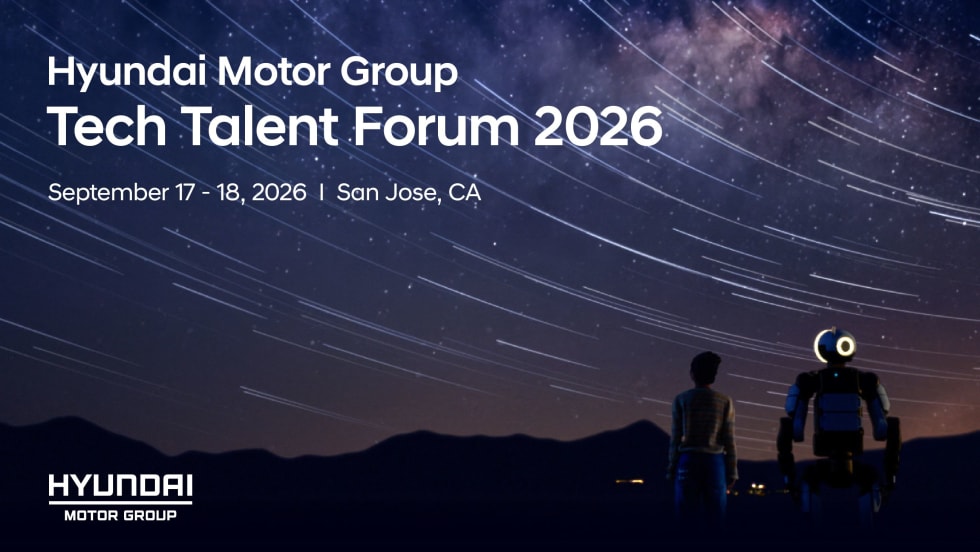
Hyundai Hosts Tech Talent Forum
Technology leaders from Hyundai Motor Group will have open discussions at the inaugural HMG Tech Talent Forum on topics ranging from autonomous driving to 'smart' manufacturing.
Read More →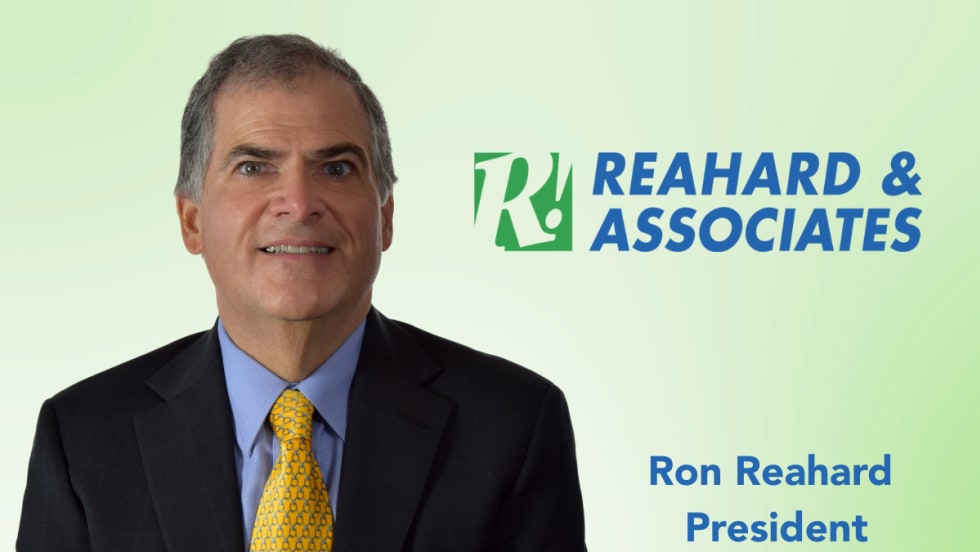
Reahard & Associates Forges New Integration
The firm's F&I Insight tie-up with The Impact Group’s ImpactMenu platform is designed to enhance finance-and-insurance transaction recording for auto dealerships.
Read More →