



dealerTEL Adds Campaign Success Metrics
New metrics offered by dealerTEL were designed to help dealers track call success at the most crucial point: after the phone is answered in-house.
VERO BEACH, Fla. — dealerTEL has added “end-to-end” campaign success metrics designed to help dealers determine where their marketing dollars are being used most effectively. For the first time, dealers will be able to track not only where a call came in from, but also any and all interactions that happen once the call has been answered within the building.
Through the new reporting capabilities, dealership management will be able to track everything from how many times a call was transferred to which calls were abandoned and which employee ultimately ended up handling the call, according to the provider.
“The missing element in call tracking has always been what happens once that phone opportunity rings into the store,” said dealerTEL’s founder, Steven Barnett. “It’s great that we can track phone leads back to the original source that brought them in, but what about all the data we can glean once that call is in-house? That information is priceless.”
dealerTEL is billed as the only communication platform that closes the loop of missed calls by bringing mobile and desk phones together seamlessly and automatically adding all the information to the dealership’s CRM system. By bringing all calls under the umbrella of the company’s communication system, the calls and flow can be tracked, analyzed, and reported on, enabling dealers to staff up or reroute calls so no opportunities are missed, Barnett said.
“Before we introduced these more powerful tracking tools, if a dealer looked over a report, he or she would only see the amount of calls missed,” he added. “However, that’s not giving management a full picture. What if one particular employee is missing 90% of the calls? Or what if the calls are being abandoned because of the amount of transfers once in-house? This is the type of powerful information dealers can now find in dealerTEL’s system. And from there, they can create training opportunities, or new processes to enhance the customer experience.”
More Showroom

Making the Safe Choice
Kelley Blue Book has turned households with teen drivers onto safe and affordable options for their vehicles of choice
Read More →
Inventory Holds Steady
September new-vehicle inventory rose slightly month-over-month, but dealer lots are laden with MY2026 vehicles as the typical model year changeover trudges along.
Read More →
October Auto Sales Fall With the Leaves
A forecast anticipates retail deliveries are down this month as consumers continue to face cost challenges, though more are tapping long loans in order to buy.
Read More →
California Sees Quarterly Gains
California’s new-vehicle market saw a boost in hybrids in the third quarter and its first overall quarterly market gain of the year.
Read More →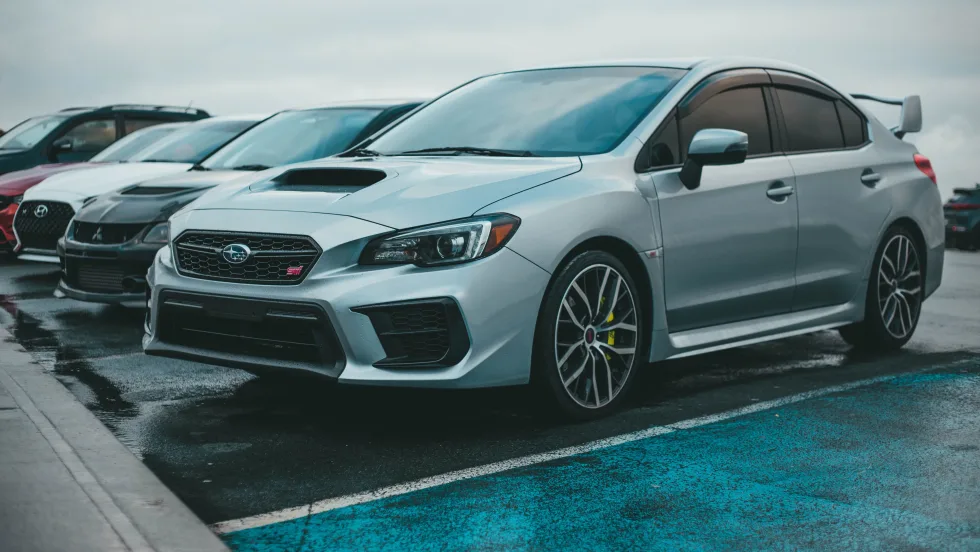
New-Vehicle Prices Stay Put
Affordability pressures and model availability shaped new-vehicle sales in September, according to an analysis by Kelley Blue Book.
Read More →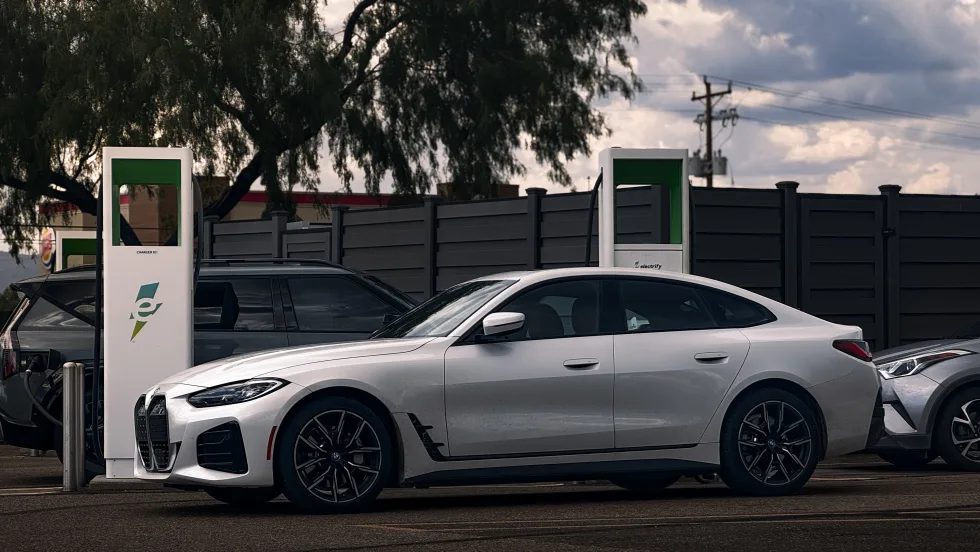
EV Buyer Consideration Shifts
What drives American consumers to purchase an electric vehicle is shifting as the question moves away from Should I?' to 'Which features and experience do I want to have?'
Read More →
Year-to-Date Auto Sales Holding Their Own
A forecast through August shows that automakers have shifted strategies to keep deliveries and revenues up despite tariffs and other economic challenges.
Read More →
Slow to Robo
Ten years of polling consumers shows autonomous vehicles’ profiles have risen considerably, but even more people now want at least some level of control if they go that route.
Read More →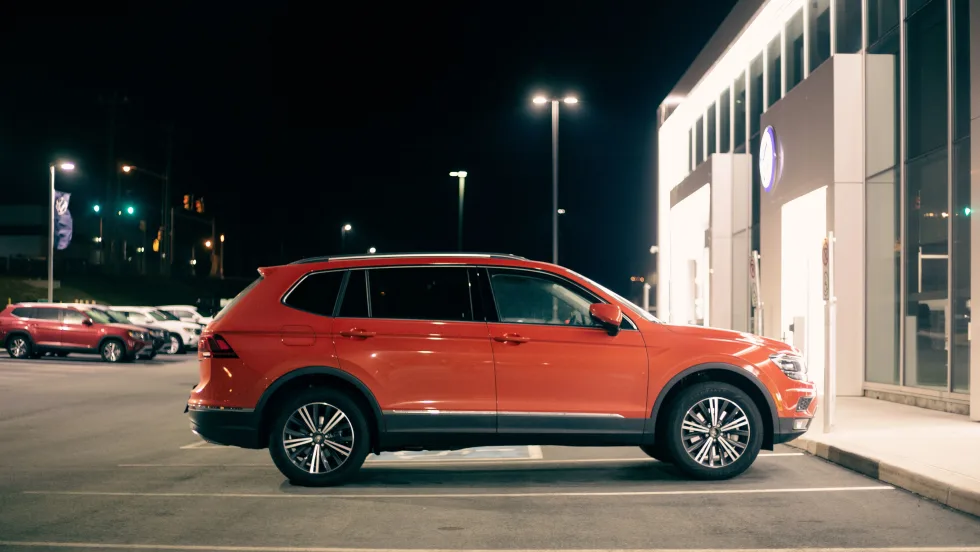
Dealers a Little Down
A third-quarter Cox Automotive survey finds them in a mixed mood, bummed by fallen customer traffic but encouraged by better profits, costs and EV interest.
Read More →
European EV Sales Skyrocket
The EV market on the continent held strong in July with almost 25% of new-car sales being fully electric units, a stark contrast to the U.S., where EV sales declined about 42%.
Read More →