



Ease-of-Purchase Survey Shows Deal Time Unimproved
Dealerships work to increase consumer satisfaction during the car-buying process.

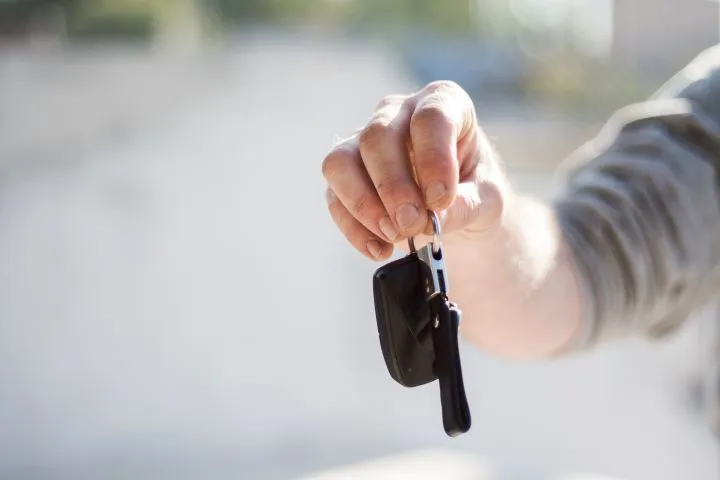
The survey found 54% of shoppers spent over three hours to complete the car-buying process.
IMAGE: Pexels/Negative Space
Consumers continue to rely heavily on dealers to find the righ vehicle for their budgets and lifestyles, yet the transaction process is still taking too long, according to an annual survey by CDK Global, Inc., an automotive retail software provider.
Since June 2022, CDK Global Research & Insights has surveyed car buyers across the U.S. each month, giving dealers an inside look at the consumer experience and expectations in purchasing a vehicle. While the Ease of Purchase score remained steady, averaging 83% for the year, warning signs remain for dealers looking to improve the customer experience. Most notable is the length of time to buy a car or truck, with 54% of shoppers becoming disenchanted, having spent over three hours to complete the process. With 66% of consumers on average relying solely on dealerships throughout their vehicle-purchase journey, retailers must shorten the transaction to under two hours at a minimum to positively impact a buyer’s Net Promoter Score, according to CDK’s annual data tally.
“Despite the expansion of direct-to-consumer retail model across the U.S., consumers still prefer the brick-and-mortar dealership experience. We’re seeing it the strongest among first-time buyers, with 70% of customers relying on their local auto retailers to complete the entire journey at the dealership,” said David Thomas, an industry analyst at CDK Global. “Improving the car-buying process to two hours or less can significantly boost a dealership’s NPS score and help ensure lifelong customers for sales and service.”
Customers Still Finding Cars in Transit
The survey showed new-vehicle inventory issues continued to impact dealerships throughout the past year, with just 36% of buyers finding the vehicles they wanted in stock in January, compared to 52% of consumers the following month. Overall, in-stock vehicles averaged 44% at dealerships – a significantly low number post-Covid. Purchasing in-transit cars will remain a growing trend, with 30% of consumers willing to wait for their desired makes and models.
Since its debut in June 2022, the survey also found:
Nearly 43% of consumers visited two dealerships when shopping for a vehicle, with 47% seeking guidance from an expert before deciding on their purchase.
Conversely, 30% of customers visited only one dealership before making their purchases, 34% preferring to choose their vehicle and negotiate the best possible price, including trade-in value.
On average, less than 2% of those surveyed bought a car fully online, never exceeding 3%.
Ordering cars from the factory declined steadily, from 28% of shoppers in June 2022 to 18% in recent months, the average falling near 21%.
Rising interest rates impacted vehicle financing, the ease of credit application dipping to a record low of 57% in January before recovering to the yearly average of 62% in June.
Originally posted on Auto Dealer Today
More Showroom
New-Vehicle Prices Stay Put
Affordability pressures and model availability shaped new-vehicle sales in September, according to an analysis by Kelley Blue Book.
Read More →
EV Buyer Consideration Shifts
What drives American consumers to purchase an electric vehicle is shifting as the question moves away from Should I?' to 'Which features and experience do I want to have?'
Read More →
Year-to-Date Auto Sales Holding Their Own
A forecast through August shows that automakers have shifted strategies to keep deliveries and revenues up despite tariffs and other economic challenges.
Read More →
Slow to Robo
Ten years of polling consumers shows autonomous vehicles’ profiles have risen considerably, but even more people now want at least some level of control if they go that route.
Read More →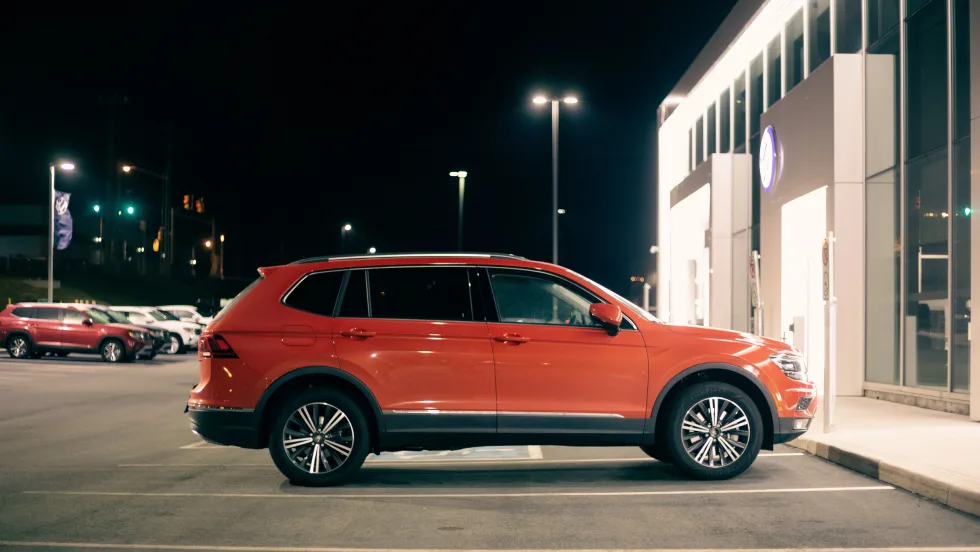
Dealers a Little Down
A third-quarter Cox Automotive survey finds them in a mixed mood, bummed by fallen customer traffic but encouraged by better profits, costs and EV interest.
Read More →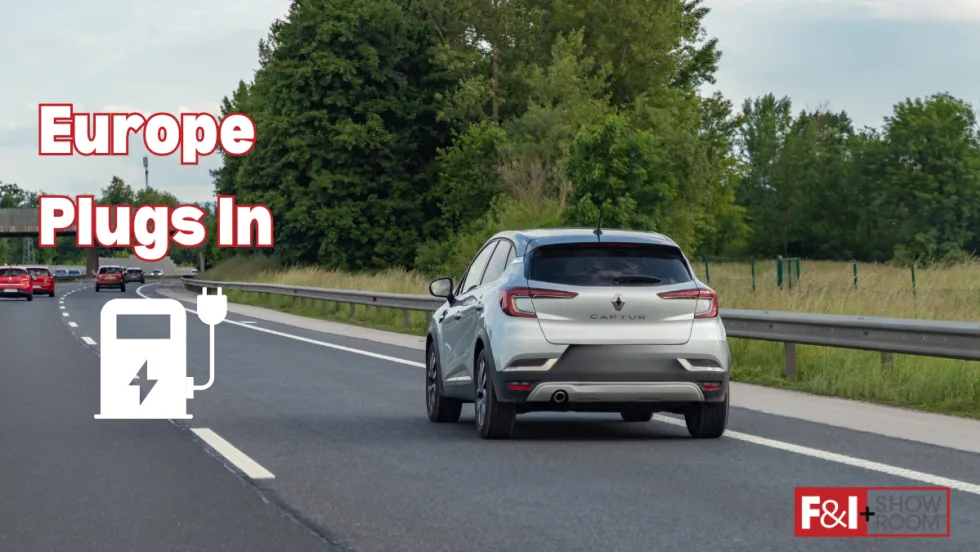
European EV Sales Skyrocket
The EV market on the continent held strong in July with almost 25% of new-car sales being fully electric units, a stark contrast to the U.S., where EV sales declined about 42%.
Read More →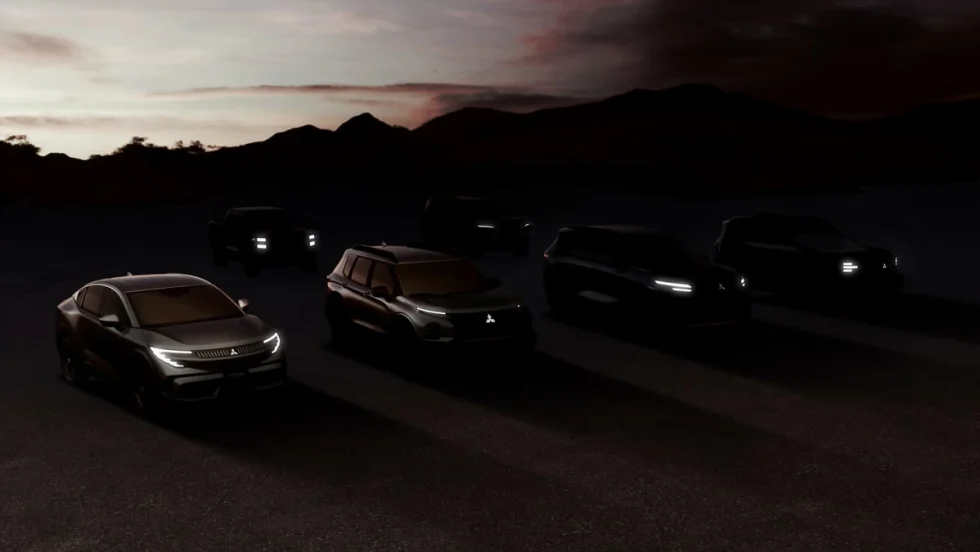
Mitsubishi Unveils U.S. Plan
The automaker announced a strategy that includes an expanded lineup and dealership presence, along with more ‘rugged’ and electric models.
Read More →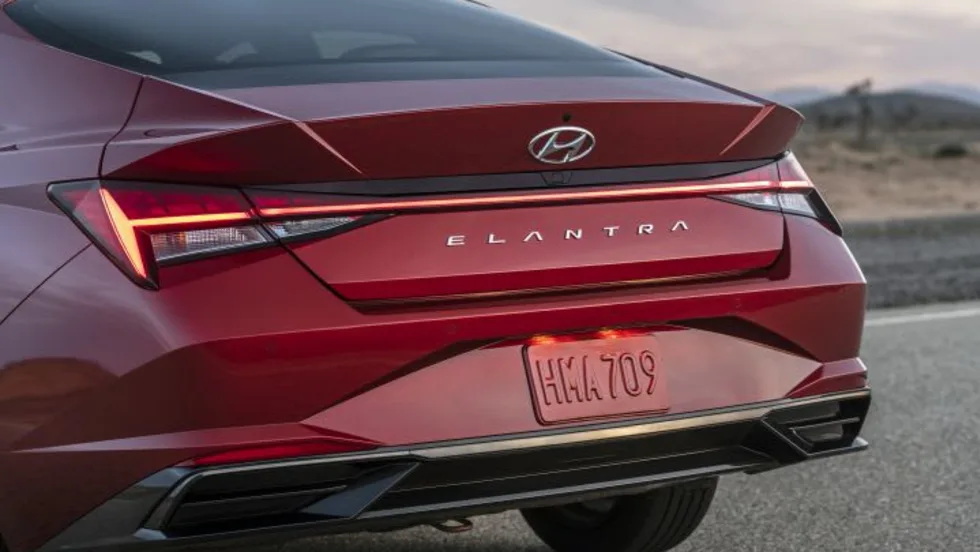
Used Lots Getting the Business
Many consumers are seeking out the units to save money, and the demand – higher in July than normal – is keeping supply limited and prices up.
Read More →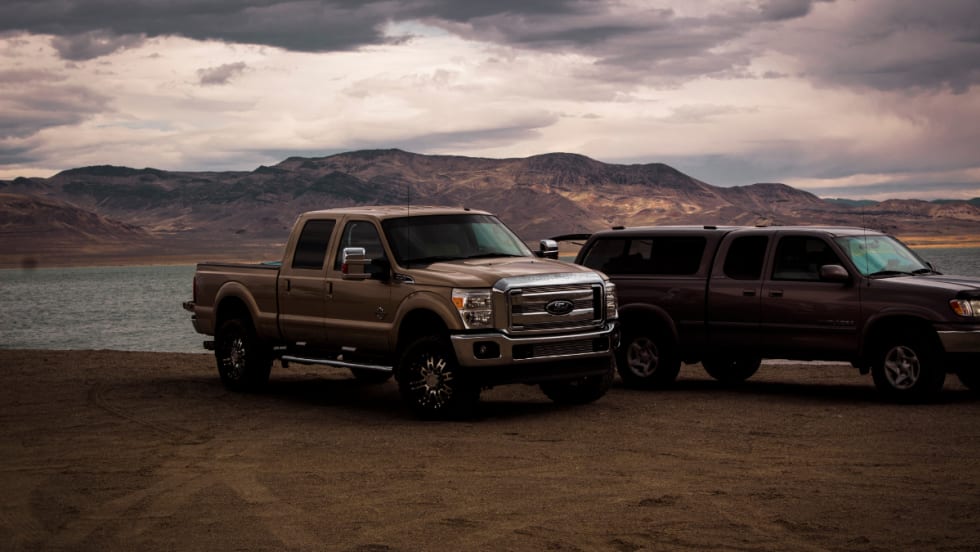
Used Market Stabilizes
The Carfax Used Car Index noted a major drop in used-vehicle price increases in July after several months of hikes.
Read More →
California Hybrids Reach State Record
The Golden State still leads the country in electric-vehicle registrations, but much like the rest of the U.S. its hybrid market share is up while full electrics stabilize after a dramatic first-quarter dip.
Read More →