



Effects of Lockdown Keeps Vehicle Owners Locked in on Their Current Brand, J.D. Power Finds
Lexus and Subaru rank highest for third consecutive year.

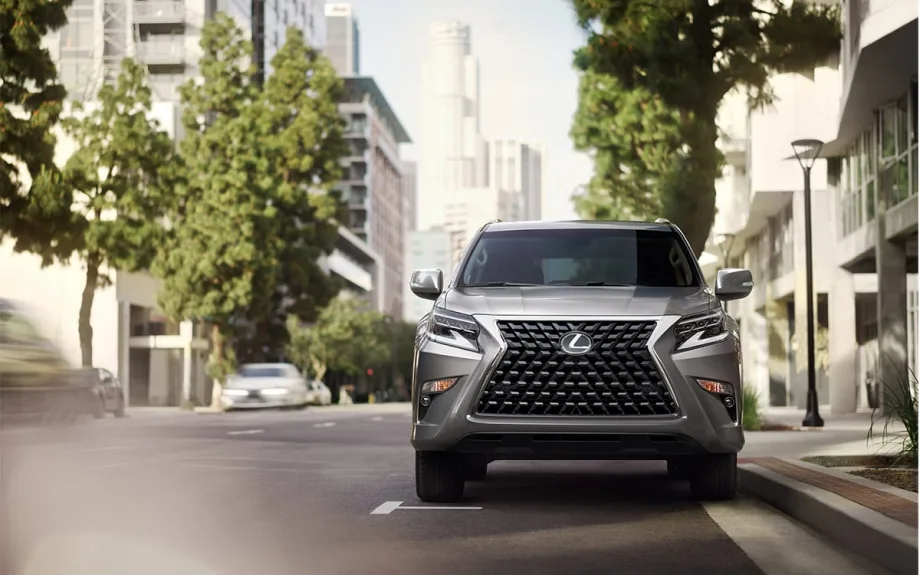
Lexus and Subaru rank highest for third consecutive year.
TROY, Mich.— Vehicle owners remain vastly loyal to their specific brands, in part due to the effects of pandemic lockdowns, according to the J.D. Power 2021 U.S. Automotive Brand Loyalty Study,SM released today. With many vehicle shoppers hesitant to venture out to showrooms, they often relied on their relationship with their current dealer.
“The time period for this study traversed nationwide lockdowns, a recovery from the worst of the pandemic and the effect chip shortages had on vehicle inventory,” said Tyson Jominy, vice president of data & analytics at J.D. Power. “During the height of the lockdown, shoppers who were unable—or unwilling—to visit showrooms in-person weren’t shopping around as much but could still call a dealer and have a vehicle delivered to their homes.
“The bottom line is finding a vehicle required working closely with a dealer and, when presented with obstacles, shoppers turned to the dealer they already knew. As a result, the level of increased loyalty this year is remarkable.”
Using data from the Power Information Network, the study, now in its third year, calculates whether an owner purchased the same brand after trading in an existing vehicle on a new vehicle. Customer loyalty is based on the percentage of vehicle owners who choose the same brand when trading in or purchasing their next vehicle.
The study finds, in general, brand loyalty improved across the board and is also stronger for the highest-ranked brands compared with 2020.
Lexus ranks highest among premium brands for a third consecutive year with a 51.6% loyalty rate. Porsche (50.2%) ranks second, followed by Mercedes-Benz (47.0%), BMW (45.6%) and Audi (45.5%).
Subaru ranks highest among mass market brands and highest overall in the automotive industry for a third consecutive year with a loyalty rate of 61.8%. Toyota ranks second (61.1%), followed by Honda (59.3%), RAM (56.8%) and Ford (53.9%).
The most improved brand year over year in the premium segment is Acura (+7.1 percentage points), while Mazda (+5.9 percentage points) has the highest improvement in the mass market segment.
The 2021 U.S. Automotive Brand Loyalty Study calculations are based on transaction data from June 2020 through May 2021 and include all model years traded in.
More Showroom

New Cars Less Affordable
Buying conditions eroded for American shoppers last month due to inflation and interest rates, though they fared better than a year ago.

October Sales Divided
Inventory trends split between the new- and used-vehicle markets, though prices continued to rise for both in October.

Auto Transaction Prices Hit New Height
October sales of big, pricey models push up the average, even as budget-conscious consumers snag more economical options.

Making the Safe Choice
Kelley Blue Book has turned households with teen drivers onto safe and affordable options for their vehicles of choice

Inventory Holds Steady
September new-vehicle inventory rose slightly month-over-month, but dealer lots are laden with MY2026 vehicles as the typical model year changeover trudges along.

October Auto Sales Fall With the Leaves
A forecast anticipates retail deliveries are down this month as consumers continue to face cost challenges, though more are tapping long loans in order to buy.

California Sees Quarterly Gains
California’s new-vehicle market saw a boost in hybrids in the third quarter and its first overall quarterly market gain of the year.

New-Vehicle Prices Stay Put
Affordability pressures and model availability shaped new-vehicle sales in September, according to an analysis by Kelley Blue Book.

EV Buyer Consideration Shifts
What drives American consumers to purchase an electric vehicle is shifting as the question moves away from Should I?' to 'Which features and experience do I want to have?'

Year-to-Date Auto Sales Holding Their Own
A forecast through August shows that automakers have shifted strategies to keep deliveries and revenues up despite tariffs and other economic challenges.