



EFG Adds Service Contract for EV Buyers
EFG Companies announced the launch of Motorist Assistance Plan, an exclusionary vehicle service contract designed specifically for buyers of electric vehicles.


EFG Companies has added a vehicle service contract designed for buyers of EVs such as the Hyundai Ioniq Electric.
Photo courtesy Hyundai Motor Co.
DALLAS — EFG Companies announced the launch of the new Motorist Assistance Plan (MAP) Electric Vehicle Protection. The new exclusionary vehicle service contract was designed to meet the unique needs of electric vehicle owners and help dealers diversify their revenue streams through both the F&I office and the service drive.
MAP Electric Vehicle Protection provides coverage for all assemblies and parts, the manufacturer-installed battery, and electric vehicle motors, excluding a specific list of parts. It also provides roadside assistance, rental reimbursement, and trip interruption benefits.
“At EFG, we pride ourselves on providing our partners with solutions that are at the fore-front of industry changes,” said John Pappanastos, the company’s president and CEO. “There is continuous growth opportunity in the electric-vehicle market and dealerships need to be equipped to not only sell and service those vehicles, but also provide valuable consumer protection.”
Executives noted most electric vehicle manufacturers provide coverage for an EV battery up to eight years or 100,000 miles. MAP Electric Vehicle Protection provides coverage for up to 11 years and 150,000 miles, providing customers an extra three years of protection. They added most VSCs on the market were designed for traditional internal-combustion engines, covering up to 2,000 parts that aren’t installed on electric vehicles while failing to cover the expensive battery and motor.
“Rather than providing a one-size-fits-most vehicle service contract, dealers selling MAP Electric Vehicle Protection are better positioned to differentiate themselves in the electric-vehicle market with a program tailor-made for their electric-vehicle customers,” said EFG CSO Eric Fifield. “The market-differentiation, built-in loyalty, and service drive revenue provides dealership owners with a critical return on investment.”
More F&I

AI: Facilitator, Not Fixer, in F&I
The dealerships that thrive in the years ahead will be those that embrace technology while continuing to invest in the people who make customer interactions count.
Read More →
Modern Technology Objection Handling
In this video, Trent White shares how to confidently handle technology-based objections by helping customers understand the value of protection, even with modern vehicle technology.
Read More →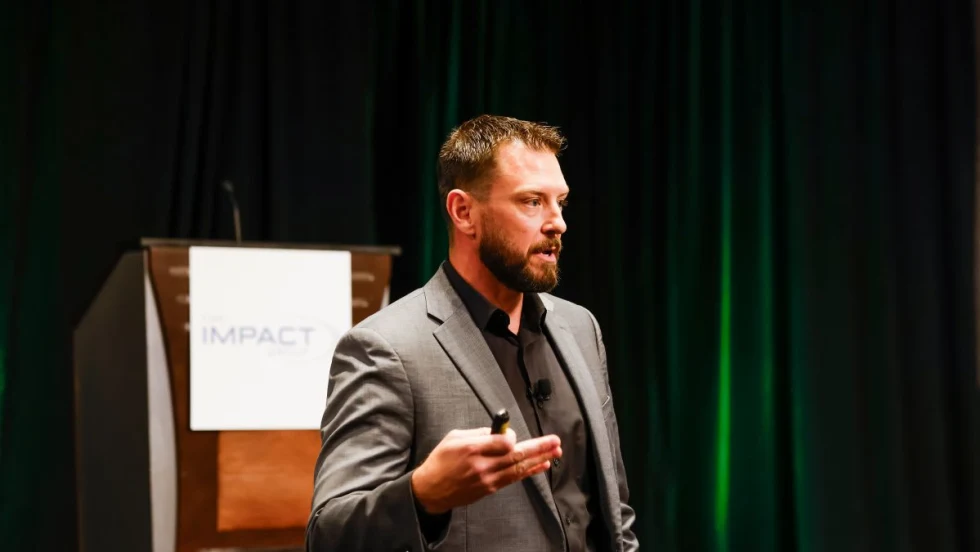
Consistency at Scale: Driving F&I Performance
With 75 rooftops across the Sunshine State, Morgan Auto Group has proven to Floridians that it knows a thing or two about driving performance in a competitive market. But it didn’t start at the top.
Read More →
Gitty Up on GAP
The foundational finance-and-insurance product hasn’t kept up with the latest conditions for auto dealers. Is the time ripe?
Read More →
How AI-Powered Coaching Is Transforming F&I Performance
See how AI-powered coaching can turn F&I customer conversations into actionable insights that support compliance, performance and profitability
Read More →
Sell Value, Build Trust
In this video, Trent White explains why selling on value, not fear, builds lasting customer trust, reduces cancellations, and drives long-term success.
Read More →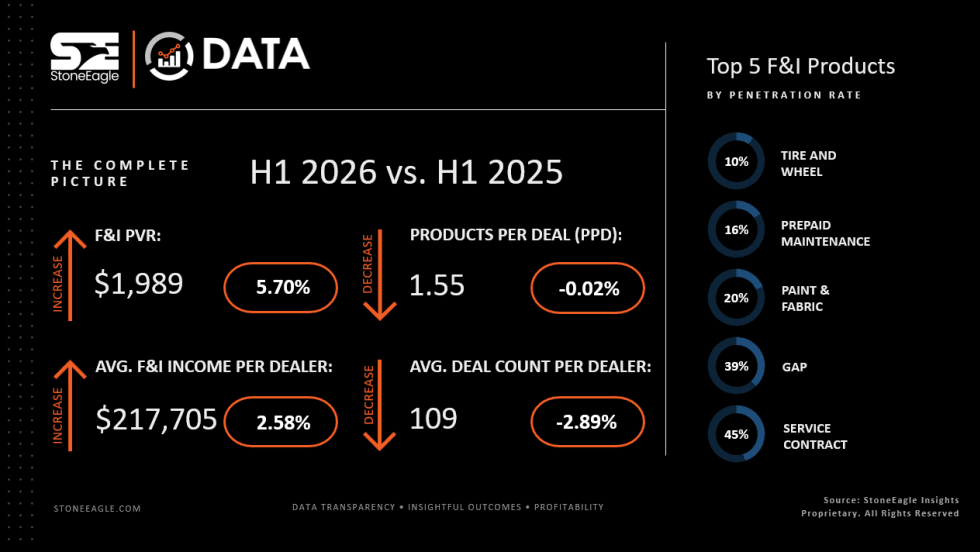
F&I Sales Give Dealers First-Half Lift
Product business shored up total profits to avoid an overall revenue tanking as product penetrations held steady, StoneEagle reported.
Read More →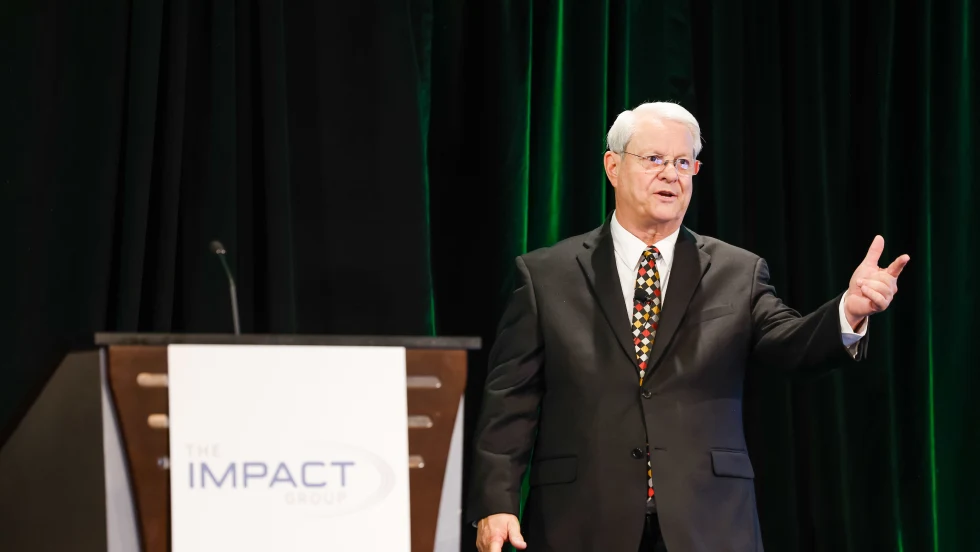
Targeted Training Drives Results
Today’s technology, instead of threatening F&I managers, can actually make them better, according to an industry veteran who’s watched market setbacks roil the unprepared.
Read More →
Double the Change, Double the Chance
When an F&I manager gets a customer refusal, it’s a wise move to tweak more than one thing in the product offering.
Read More →
Just Do It
F&I managers need training, but instead of resisting application or expecting perfection, they should improve by simply acting on what they learn.
Read More →