



EU Countries Propose a Delay of the Ban on ICE Vehicles
Italy, Portugal, Slovakia, Bulgaria and Romania want to delay a EU plan to ban the sale of new gasoline and diesel-powered vehicles in 2035 by five years.


Creative Commons
Reuters reports Italy, Portugal, Slovakia, Bulgaria and Romania want to delay a European Union plan to ban the sale of new gasoline and diesel-powered vehicles in 2035 by five years.
The policy is a key part of the EU's plans to address rising emissions and shift consumers to electric vehicles. The EU aims to slash economy-wide net greenhouse gas emissions 55% by 2030, from 1990 levels.
The European Commission’s car emissions proposal would require a 100% reduction in CO2 emissions from new cars by 2035, banning fuel-powered vehicle sales in the EU from that date.
EU ministers will finalize their position next week before negotiating the law with the EU parliament.
The paper circulated among EU states calls instead for a 90% cut in car CO2 by 2035 and reaching the 100% target by 2040.
The goal is for light commercial vehicles to cut CO2 80% by 2035 and 100% by 2040, rather than the 100% reduction by 2035 the Commission has proposed.
The paper cites a transition period is needed to expand charging infrastructure.
Brussels finds the 2035 date crucial. Its officials say the average lifespan of new cars is 15 years and predict a delayed ban would prevent the EU from reaching zero emissions by 2050.
Other EU governments have rallied behind the 2035 target, but Germany's finance minister reported this week that the EU's biggest car market would not support it.
Ford and Volvo have publicly supported the change, with Volkswagen aiming to no longer sell combustion engine vehicles by 2035.
However, industry groups such as the European Automobile Manufacturers' Association opposed the 2035 target, citing concerns including the uncertain rollout of chargers.
Originally posted on Auto Dealer Today
More Showroom

California Sees Quarterly Gains
California’s new-vehicle market saw a boost in hybrids in the third quarter and its first overall quarterly market gain of the year.
Read More →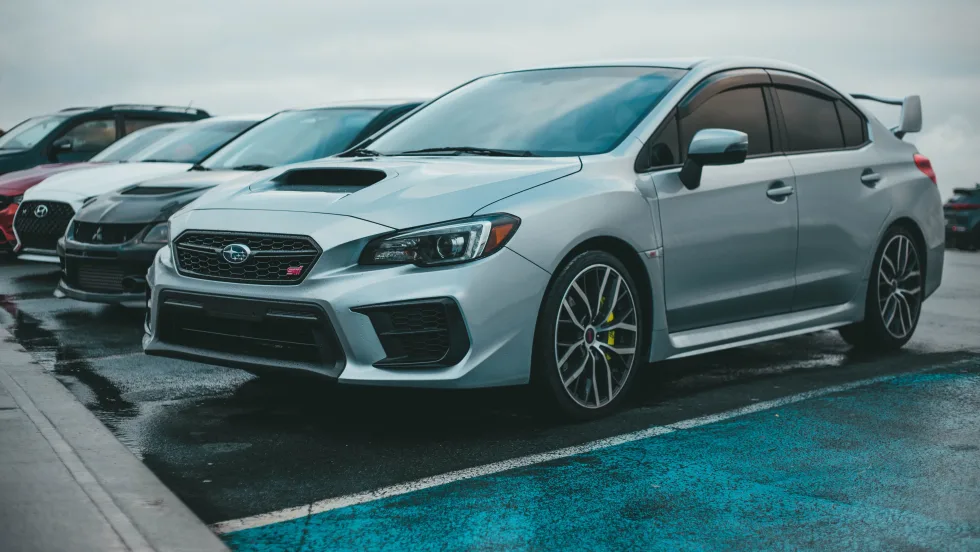
New-Vehicle Prices Stay Put
Affordability pressures and model availability shaped new-vehicle sales in September, according to an analysis by Kelley Blue Book.
Read More →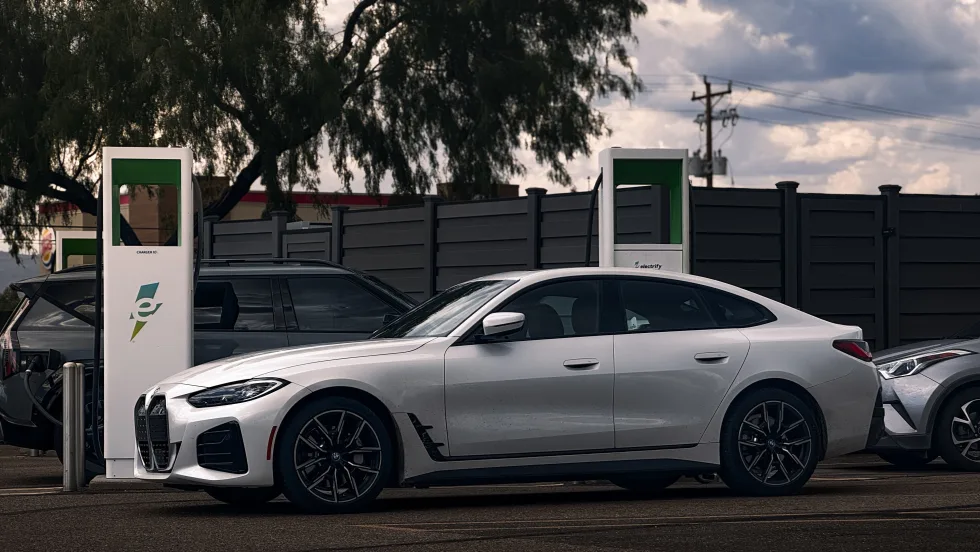
EV Buyer Consideration Shifts
What drives American consumers to purchase an electric vehicle is shifting as the question moves away from Should I?' to 'Which features and experience do I want to have?'
Read More →
Year-to-Date Auto Sales Holding Their Own
A forecast through August shows that automakers have shifted strategies to keep deliveries and revenues up despite tariffs and other economic challenges.
Read More →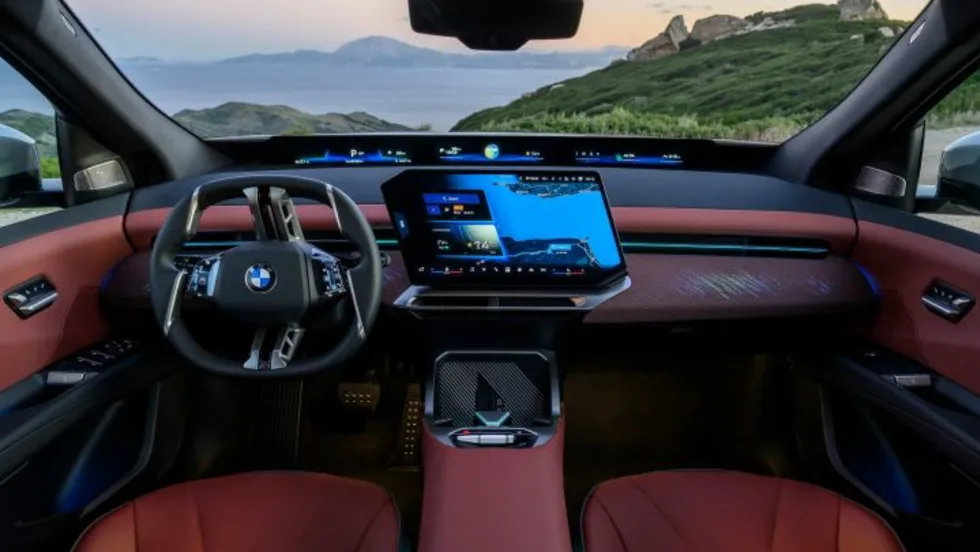
Slow to Robo
Ten years of polling consumers shows autonomous vehicles’ profiles have risen considerably, but even more people now want at least some level of control if they go that route.
Read More →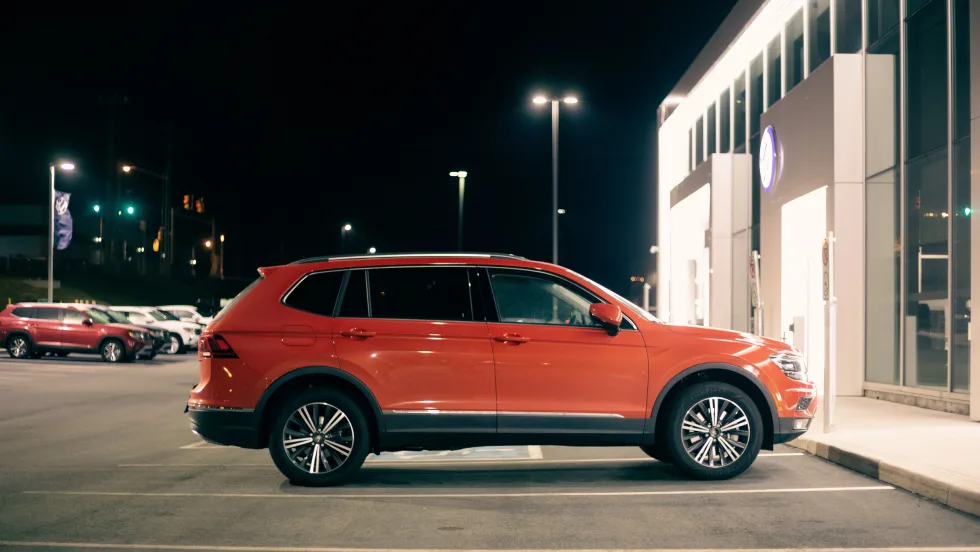
Dealers a Little Down
A third-quarter Cox Automotive survey finds them in a mixed mood, bummed by fallen customer traffic but encouraged by better profits, costs and EV interest.
Read More →
European EV Sales Skyrocket
The EV market on the continent held strong in July with almost 25% of new-car sales being fully electric units, a stark contrast to the U.S., where EV sales declined about 42%.
Read More →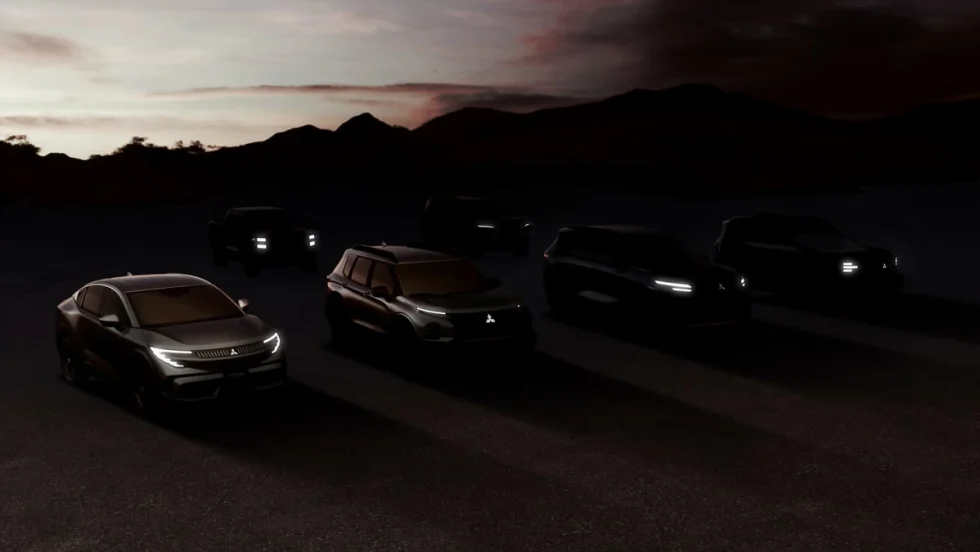
Mitsubishi Unveils U.S. Plan
The automaker announced a strategy that includes an expanded lineup and dealership presence, along with more ‘rugged’ and electric models.
Read More →
Used Lots Getting the Business
Many consumers are seeking out the units to save money, and the demand – higher in July than normal – is keeping supply limited and prices up.
Read More →
Used Market Stabilizes
The Carfax Used Car Index noted a major drop in used-vehicle price increases in July after several months of hikes.
Read More →