



EV Battery Rules Delay Debated
Auto industry advocate praises move while mining group says it helps China.


The treasury department delayed enforcement of the battery-sourcing restrictions until 2027, giving automakers more time to reach compliance and opening more models to federal tax credits tied to the restrictions.
Pexels/Mikhail Nilov
When the U.S. government temporarily loosened regulation last week that curbs electric-vehicle battery materials sourced from China and other countries, a debate ensued about the wisdom of the move.
The Alliance for Automotive Innovation praised the delay, saying it will take more time to increase domestic production of the materials.
“The EV transition requires nothing short of a complete transformation of the U.S. industrial base. That’s a monumental task that won’t – and can’t – happen overnight,” said alliance President John Bozzella in a press release.
“This updated guidance from the Treasury Department is something we recommended. It makes good sense for investment, job creation and consumer EV adoption.”
Meanwhile, U.S. mining industry advocates criticized the enforcement delay, saying it gives China an edge.
“Congress created these tax incentives to secure our supply chains and generate American jobs while supporting EV adoption; they did not intend for loopholes to be created that essentially amount to a blank check from the American Taxpayer to China,” said National Mining Association President and CEO Rich Nolan.
The treasury department delayed enforcement of the battery-sourcing restrictions until 2027, giving automakers more time to reach compliance and opening more models to federal tax credits tied to the restrictions.
“The Treasury rules appear to recognize the realities of the global supply chain by providing some temporary flexibility in terms of where the critical minerals in EV batteries can be sourced,” Bozzella said. “That’s helpful as more automotive supply chains and battery production is localized to the U.S. and our allies.”
The alliance says 13 models for sale in the U.S. qualify for the full $7,500 tax credit.
Originally posted on Auto Dealer Today
More Showroom
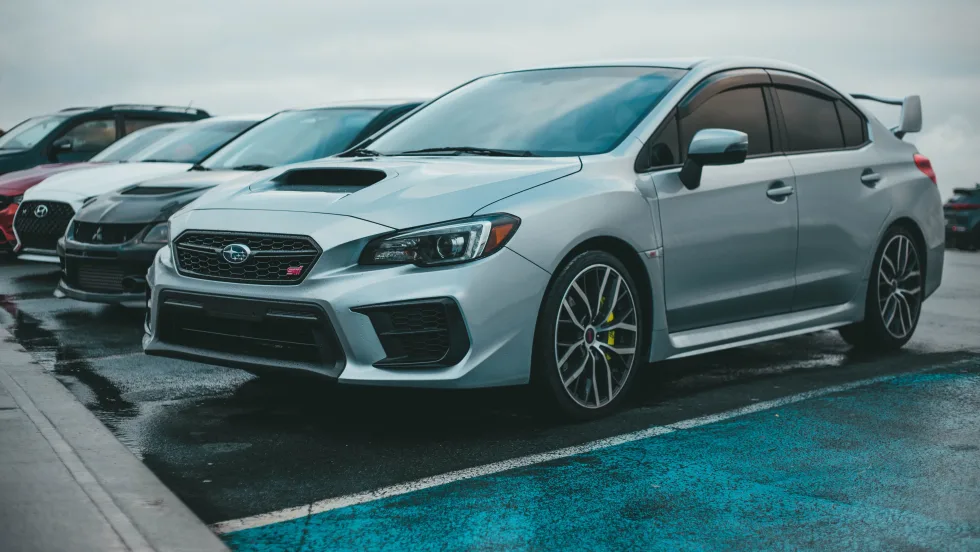
New-Vehicle Prices Stay Put
Affordability pressures and model availability shaped new-vehicle sales in September, according to an analysis by Kelley Blue Book.
Read More →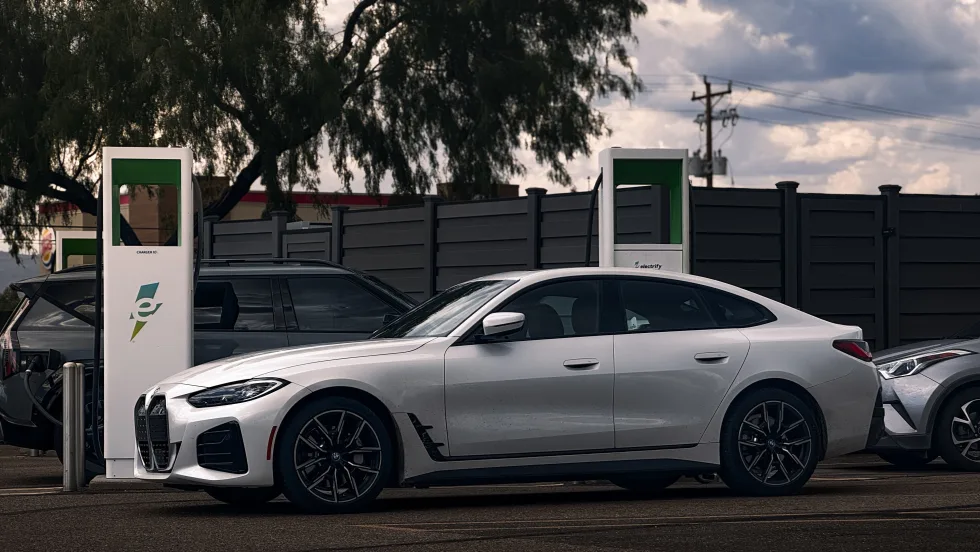
EV Buyer Consideration Shifts
What drives American consumers to purchase an electric vehicle is shifting as the question moves away from Should I?' to 'Which features and experience do I want to have?'
Read More →
Year-to-Date Auto Sales Holding Their Own
A forecast through August shows that automakers have shifted strategies to keep deliveries and revenues up despite tariffs and other economic challenges.
Read More →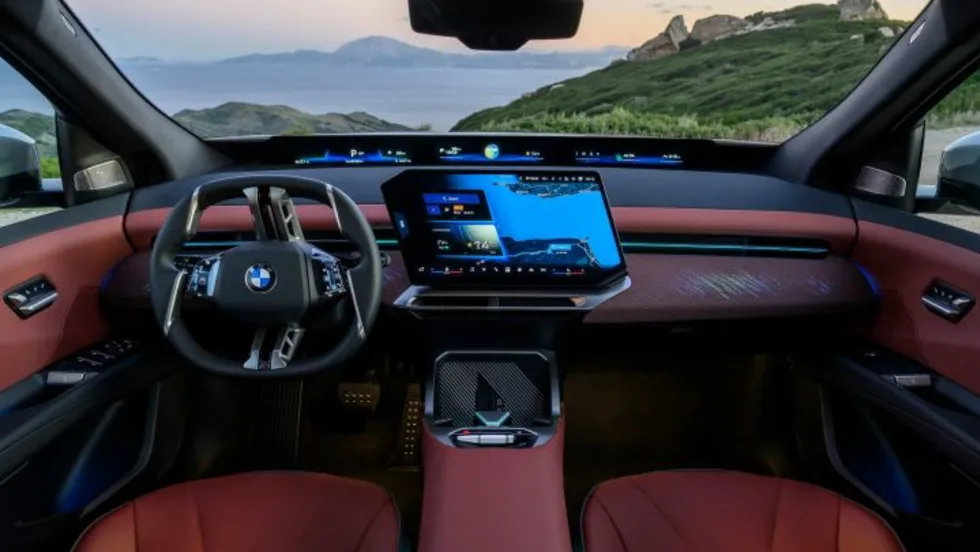
Slow to Robo
Ten years of polling consumers shows autonomous vehicles’ profiles have risen considerably, but even more people now want at least some level of control if they go that route.
Read More →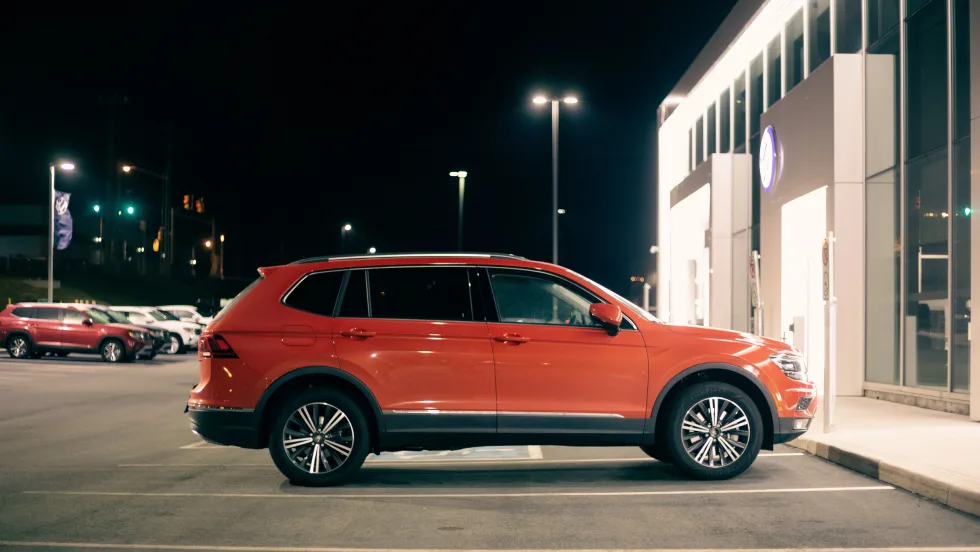
Dealers a Little Down
A third-quarter Cox Automotive survey finds them in a mixed mood, bummed by fallen customer traffic but encouraged by better profits, costs and EV interest.
Read More →
European EV Sales Skyrocket
The EV market on the continent held strong in July with almost 25% of new-car sales being fully electric units, a stark contrast to the U.S., where EV sales declined about 42%.
Read More →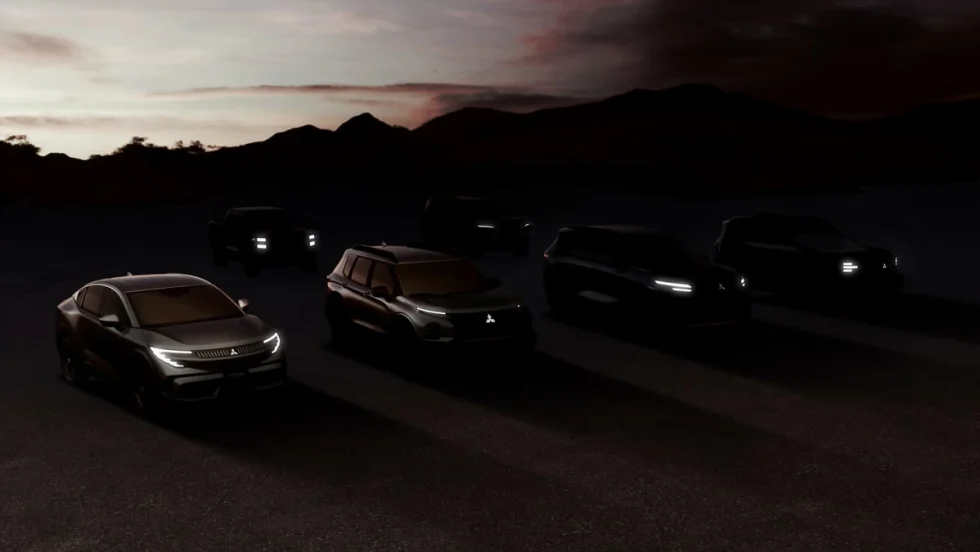
Mitsubishi Unveils U.S. Plan
The automaker announced a strategy that includes an expanded lineup and dealership presence, along with more ‘rugged’ and electric models.
Read More →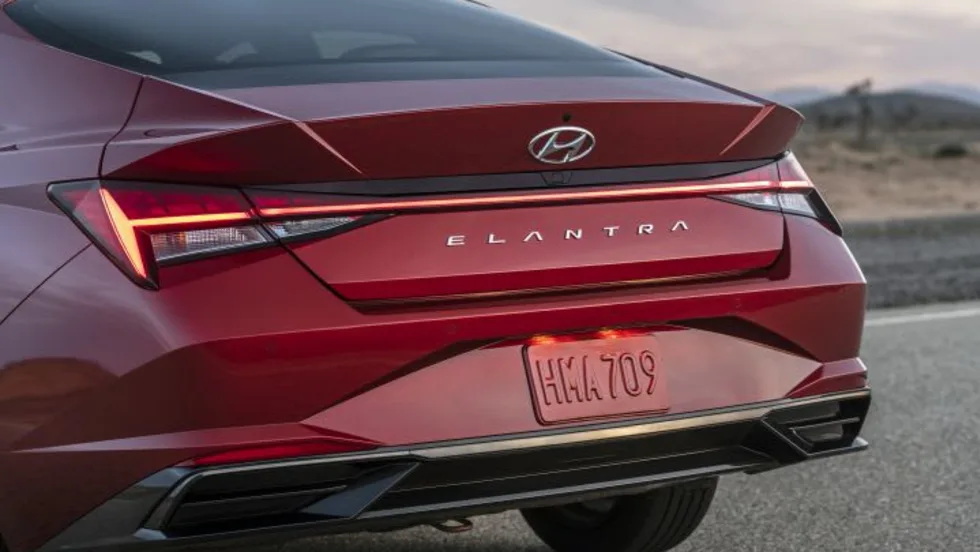
Used Lots Getting the Business
Many consumers are seeking out the units to save money, and the demand – higher in July than normal – is keeping supply limited and prices up.
Read More →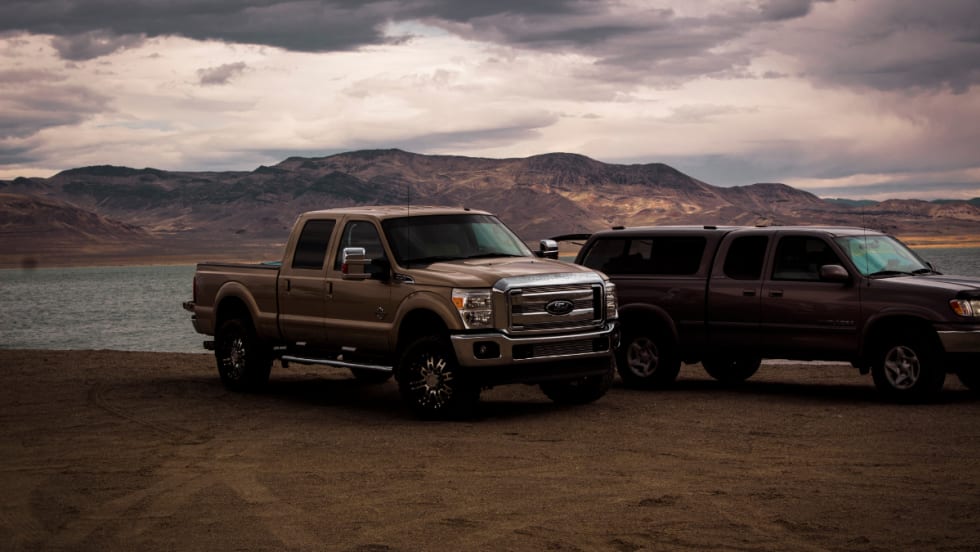
Used Market Stabilizes
The Carfax Used Car Index noted a major drop in used-vehicle price increases in July after several months of hikes.
Read More →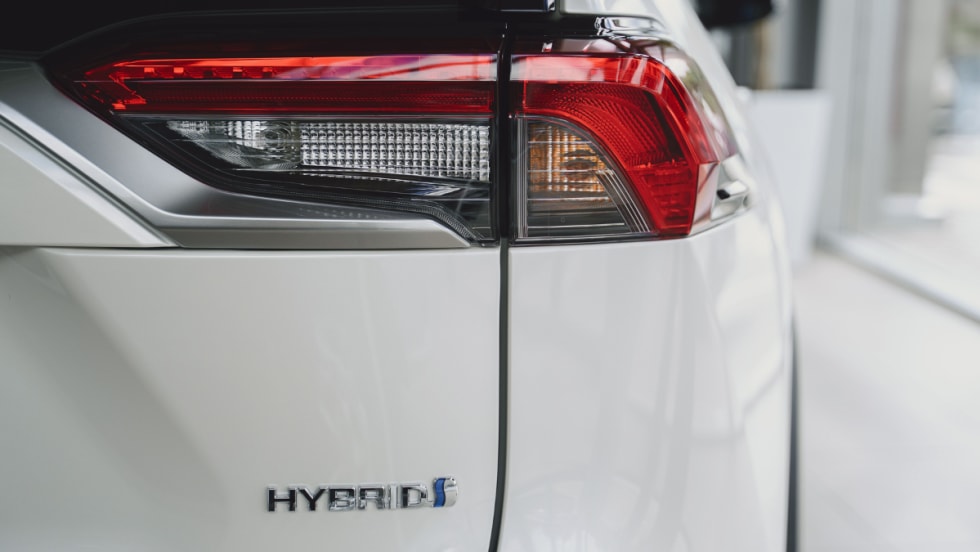
California Hybrids Reach State Record
The Golden State still leads the country in electric-vehicle registrations, but much like the rest of the U.S. its hybrid market share is up while full electrics stabilize after a dramatic first-quarter dip.
Read More →