



EV Consideration Falls Further
Study shows fewer shoppers are likely to buy one. J.D. Power says education on incentives could help win more over.

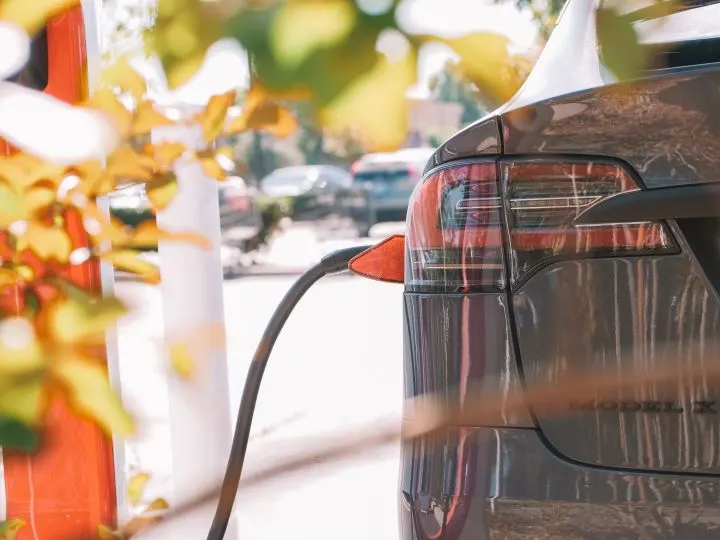
The study shows lesser reasons for reduced demand include lower fuel prices over the past year; inflation; high interest rates; and slowed growth in model availability.
Pexels/Kindel Media
The percentage of consumers considering buying an electric vehicle fell over the past year for the first time in the four years of J.D. Power’s annual study.
The result comes as no surprise, since EV interest has been fading of late after the surge of early adopters, and automakers have reacted by scaling back production plans and targets of fully electric lineups to refocus on hybrids.
The J.D. Power study, fielded from January through April, found that 24% of new-vehicle shoppers say they’re very likely to consider buying an EV, down from 26% a year earlier. Interest even fell among the youngest shoppers. Those who indicate they’re “overall likely” to consider buying one fell from 61% to 58%.
The top reasons for hesitancy remained the same: higher prices, concern about lack of public charger availability, and what J.D. Power describes as “lack of knowledge regarding the EV ownership proposition,” including incentives.
Educating consumers about available EV incentives can help convince more shoppers to buy one, Executive Director of EV Intelligence Stewart Stropp in a press release on the study results.
“As understanding of EV incentives rises, so does the likelihood of consideration. However, approximately 40% of shoppers say they do not have a solid understanding of such incentives. Prioritizing initiatives and efforts to educate consumers about the EV proposition—including available incentives and how they work—is vital to accelerating market growth.”
The study shows other reasons driving reduced demand include lower fuel prices over the past year; inflation; high interest rates; and “underwhelming growth in model availability.”
“In previous years, the number of viable EVs that met shoppers’ needs increased substantially year over year,” Stropp said. “This year, it’s been more incremental. Several automakers have deferred EV launch and production plans and have shifted more focus toward hybrids and plug-in hybrids, so we’re seeing a lot of shoppers who still haven’t found an EV that checks all the boxes.”
Originally posted on Auto Dealer Today
More Showroom

New Cars Less Affordable
Buying conditions eroded for American shoppers last month due to inflation and interest rates, though they fared better than a year ago.

October Sales Divided
Inventory trends split between the new- and used-vehicle markets, though prices continued to rise for both in October.

Auto Transaction Prices Hit New Height
October sales of big, pricey models push up the average, even as budget-conscious consumers snag more economical options.

Making the Safe Choice
Kelley Blue Book has turned households with teen drivers onto safe and affordable options for their vehicles of choice

Inventory Holds Steady
September new-vehicle inventory rose slightly month-over-month, but dealer lots are laden with MY2026 vehicles as the typical model year changeover trudges along.

October Auto Sales Fall With the Leaves
A forecast anticipates retail deliveries are down this month as consumers continue to face cost challenges, though more are tapping long loans in order to buy.

California Sees Quarterly Gains
California’s new-vehicle market saw a boost in hybrids in the third quarter and its first overall quarterly market gain of the year.

New-Vehicle Prices Stay Put
Affordability pressures and model availability shaped new-vehicle sales in September, according to an analysis by Kelley Blue Book.

EV Buyer Consideration Shifts
What drives American consumers to purchase an electric vehicle is shifting as the question moves away from Should I?' to 'Which features and experience do I want to have?'

Year-to-Date Auto Sales Holding Their Own
A forecast through August shows that automakers have shifted strategies to keep deliveries and revenues up despite tariffs and other economic challenges.