



EV Fuel-Economy Ratings Could Change
DOE proposes the electric-vehicle models meet government standards in effort to improve overall vehicle fuel economy.

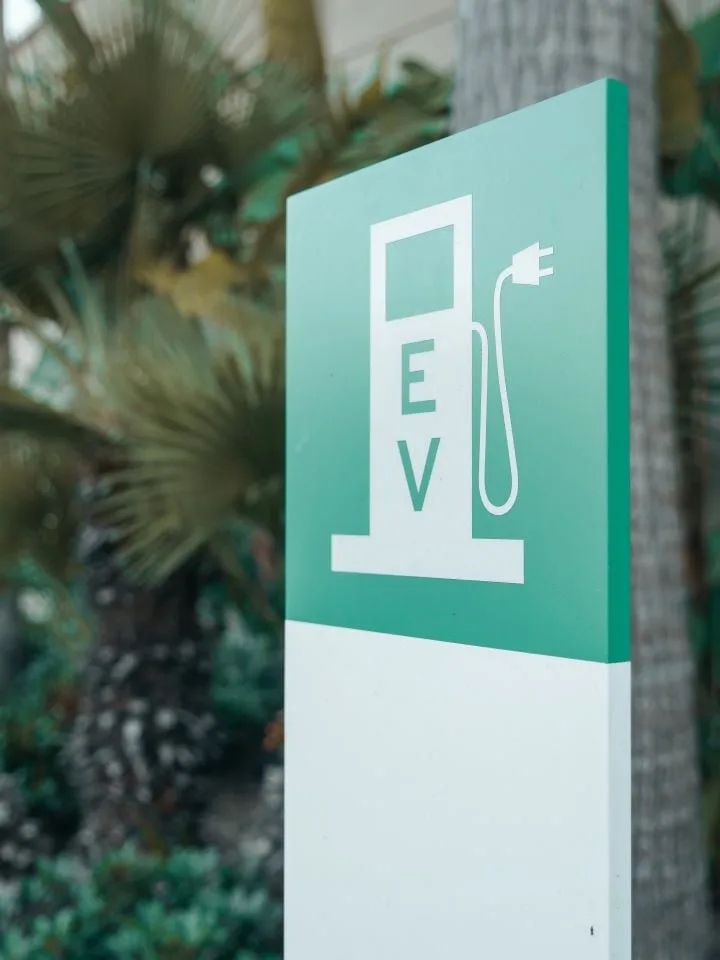
Large automakers have pressed for maintaining the current rating because they say lower values could actually dissuade consumers from buying EVs.
IMAGE: Pexels/Kindel Media
The U.S. Department of Energy recommended the first change to the fuel-economy rating in more than 20 years to require that electric vehicles meet government standards, Reuters reported.
The change in how the government arrives at the petroleum-equivalent fuel economy rating for EVs would decrease petroleum use, the federal agency said.
“Encouraging adoption of EVs can reduce petroleum consumption but giving too much credit for that adoption can lead to increased net petroleum use because it enables lower fuel economy among conventional vehicles, which represent by far the majority of vehicles sold," it said in its proposal, Reuters reported.
The rating is used in the National Highway Public Safety Administration’s Corporate Average Fuel Economy program.
Large automakers have pressed for maintaining the current rating, Reuters said, because lower values could actually dissuade consumers from buying EVs, the representative Alliance for Automotive Innovation said last year.
Environmental groups advocated for the change, saying higher EV fuel-economy values translate to a small number of EVs assuring compliance, resulting in carmakers’ lineups failing to reflect impactful fuel-economy improvements, Reuters said.
Originally posted on Auto Dealer Today
More Showroom
Inventory Holds Steady
September new-vehicle inventory rose slightly month-over-month, but dealer lots are laden with MY2026 vehicles as the typical model year changeover trudges along.
Read More →
October Auto Sales Fall With the Leaves
A forecast anticipates retail deliveries are down this month as consumers continue to face cost challenges, though more are tapping long loans in order to buy.
Read More →
California Sees Quarterly Gains
California’s new-vehicle market saw a boost in hybrids in the third quarter and its first overall quarterly market gain of the year.
Read More →
New-Vehicle Prices Stay Put
Affordability pressures and model availability shaped new-vehicle sales in September, according to an analysis by Kelley Blue Book.
Read More →
EV Buyer Consideration Shifts
What drives American consumers to purchase an electric vehicle is shifting as the question moves away from Should I?' to 'Which features and experience do I want to have?'
Read More →
Year-to-Date Auto Sales Holding Their Own
A forecast through August shows that automakers have shifted strategies to keep deliveries and revenues up despite tariffs and other economic challenges.
Read More →
Slow to Robo
Ten years of polling consumers shows autonomous vehicles’ profiles have risen considerably, but even more people now want at least some level of control if they go that route.
Read More →
Dealers a Little Down
A third-quarter Cox Automotive survey finds them in a mixed mood, bummed by fallen customer traffic but encouraged by better profits, costs and EV interest.
Read More →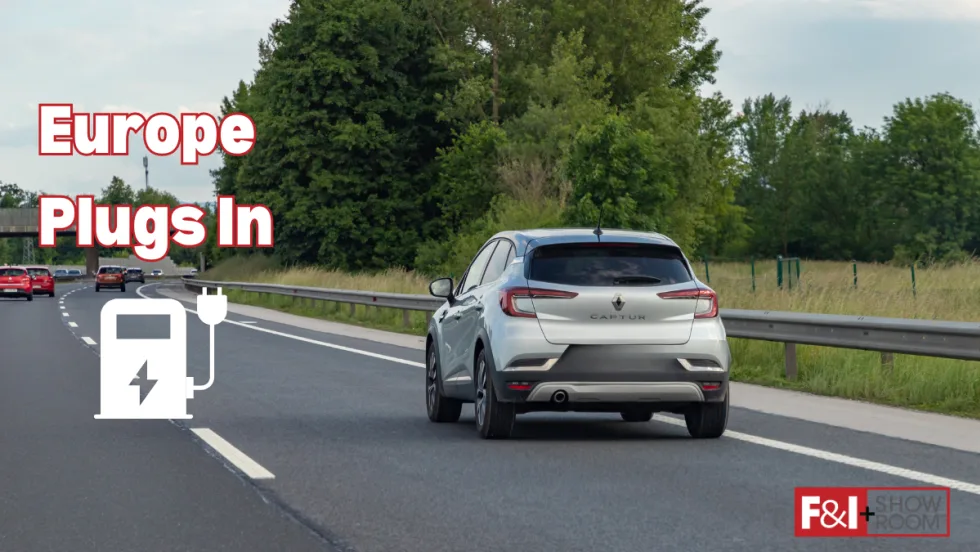
European EV Sales Skyrocket
The EV market on the continent held strong in July with almost 25% of new-car sales being fully electric units, a stark contrast to the U.S., where EV sales declined about 42%.
Read More →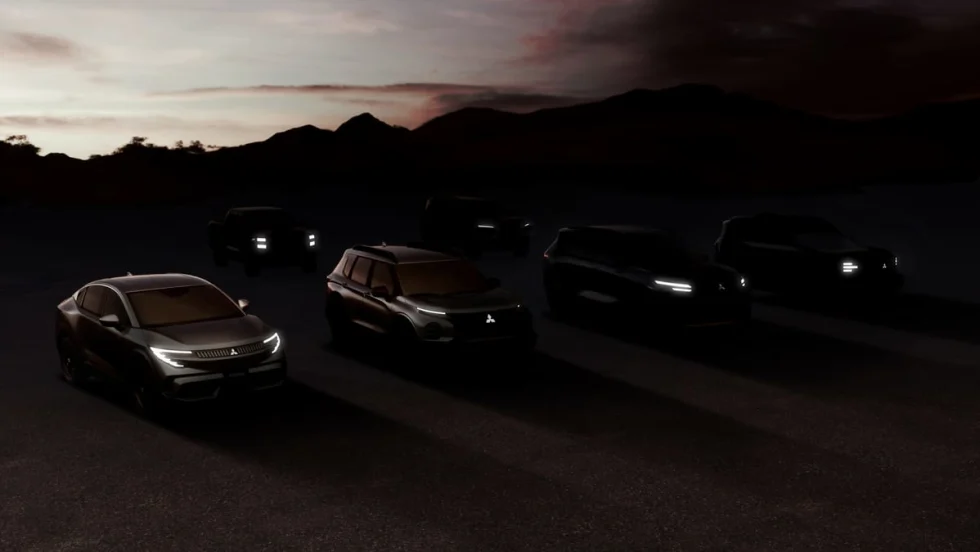
Mitsubishi Unveils U.S. Plan
The automaker announced a strategy that includes an expanded lineup and dealership presence, along with more ‘rugged’ and electric models.
Read More →