



EV Makers Pressed to Keep AM Radio in Models
Ex-FEMA heads say it’s a public safety issue.

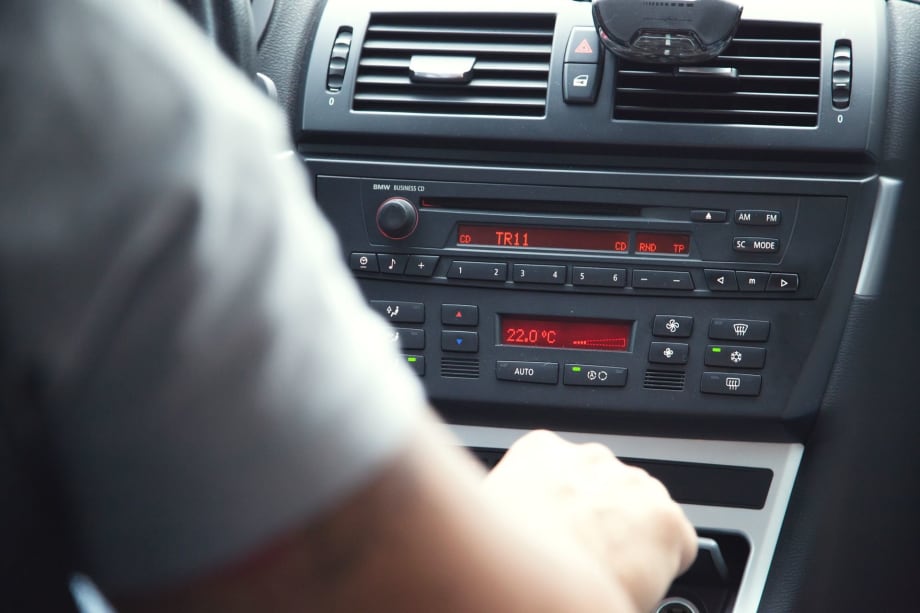
Some EV makers continue to install AM in their models, including Toyota, which said it’s a “challenge” to maintain in EVs.
IMAGE: SplitShire
Former administrators of the Federal Emergency Management Agency are imploring carmakers to restore AM radio in their electric models for emergency purposes, according to a Wall Street Journal report.
Brands have eliminated the formerly standard feature from later models because they say the vehicles’ motors produce electromagnetic frequencies on the same wavelength as AM signals, creating interference that leads to signal fading and buzzing sounds.
But ex-FEMA heads say AM is needed in case of emergency so occupants can hear broadcasted safety alerts.
The former executives wrote a letter to Transportation Secretary Pete Buttigieg and some congressional committees, pressing them to obtain assurances from carmakers that they’ll include AM radio in EVs.
They said AM is foundational in the federal National Public Warning System that keeps the public informed during natural disasters and extreme weather, continuing to operate when other systems can fail. Cellphone and other internet technology isn’t as reliable, the ex-executives said in the letter.
FEMA said that more than 75 radio stations, most on the AM band and reaching at least 90% of the U.S. population, have backup equipment allowing them to continue broadcasting in an emergency.
Some EV makers continue to install AM in their models, including Toyota, which said it’s a “challenge” to maintain in EVs, the Wall Street Journal said. Others, including Ford, have eliminated it from at least some models.
Industry group the Alliance for Automotive Innovation said it’s committed to protecting access to safety alerts, according to a letter to Sen. Ed Markey, D-Mass., who wrote EV makers late last year to ask about their plans for AM in EVs, the report indicated.
Originally posted on Auto Dealer Today
More Showroom
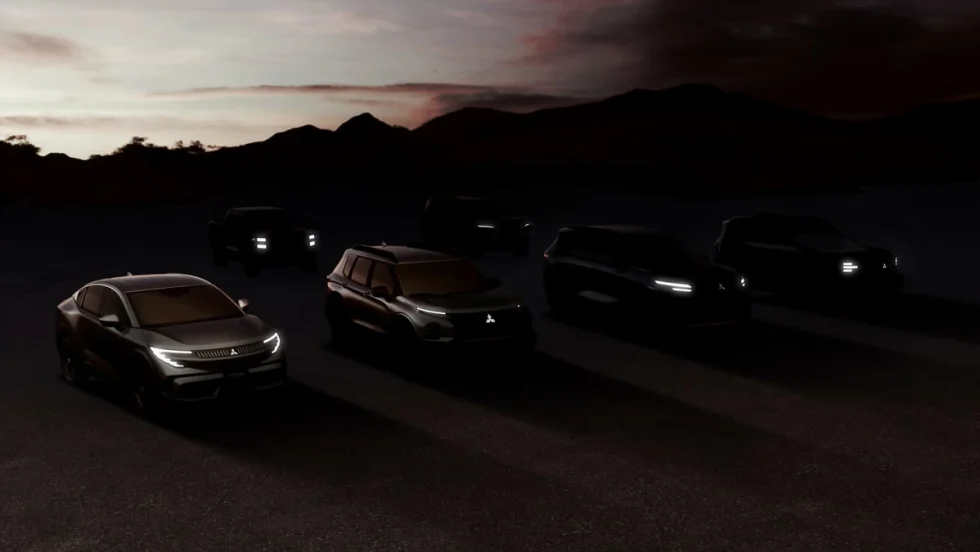
Mitsubishi Unveils U.S. Plan
The automaker announced a strategy that includes an expanded lineup and dealership presence, along with more ‘rugged’ and electric models.
Read More →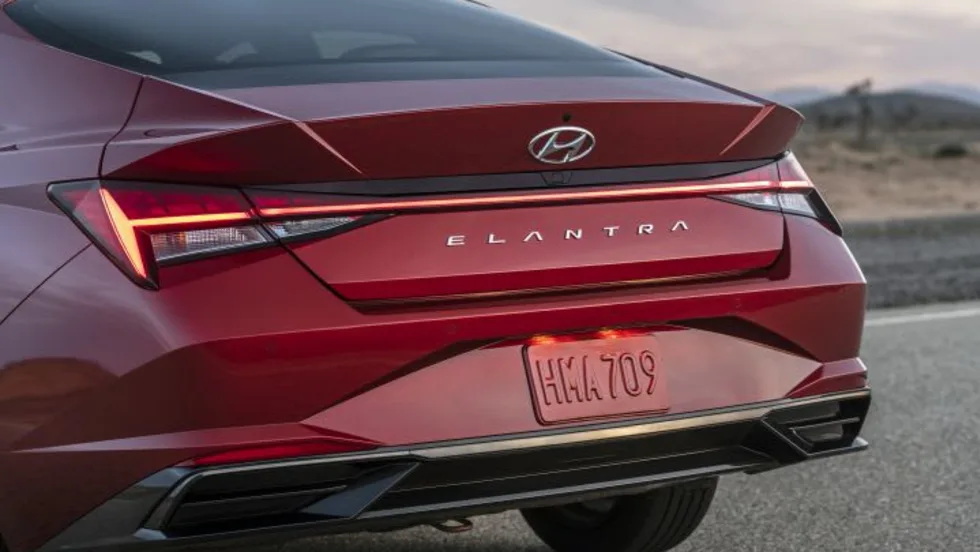
Used Lots Getting the Business
Many consumers are seeking out the units to save money, and the demand – higher in July than normal – is keeping supply limited and prices up.
Read More →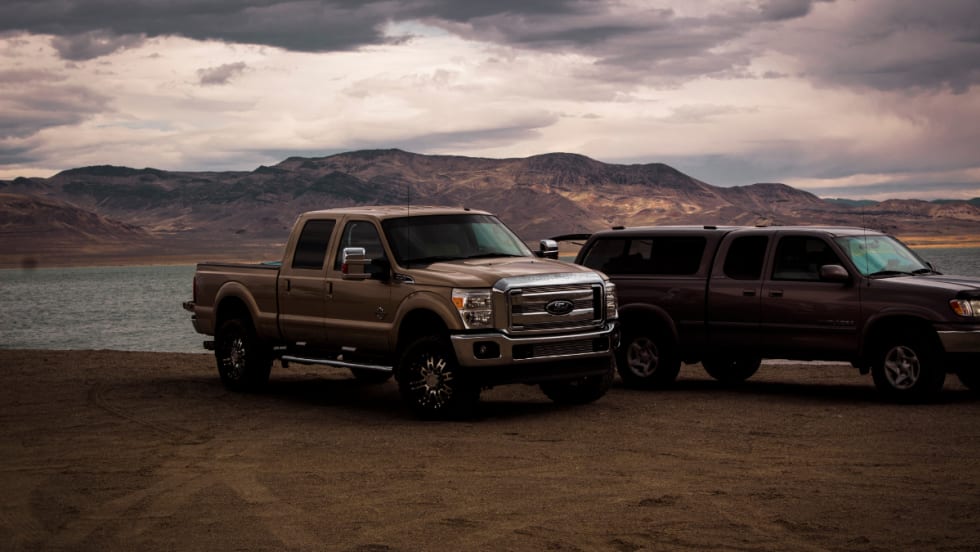
Used Market Stabilizes
The Carfax Used Car Index noted a major drop in used-vehicle price increases in July after several months of hikes.
Read More →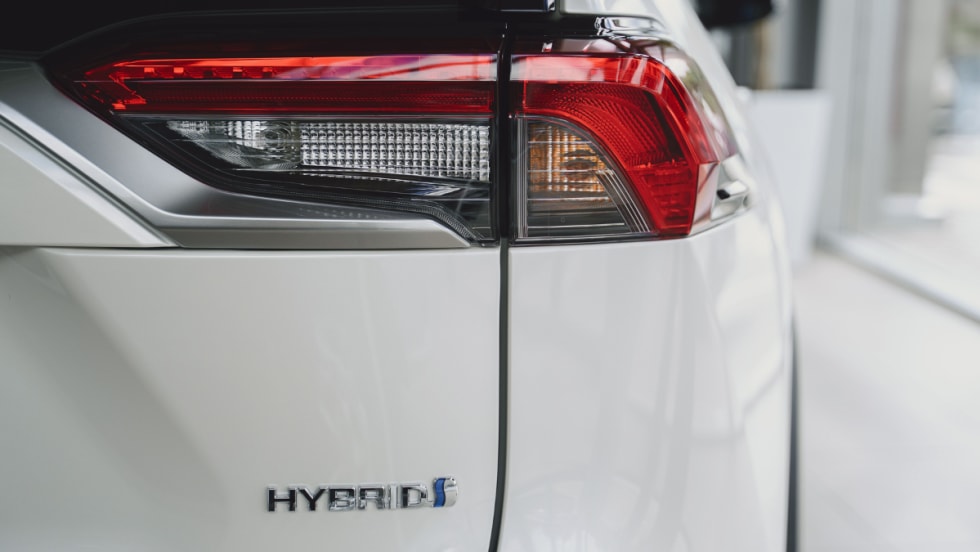
California Hybrids Reach State Record
The Golden State still leads the country in electric-vehicle registrations, but much like the rest of the U.S. its hybrid market share is up while full electrics stabilize after a dramatic first-quarter dip.
Read More →
My Mercedes in the U.S.
The German brand debuted its studio dealership concept for the first time in the states in Los Angeles, tapping Americans’ penchant for creative distinctions.
Read More →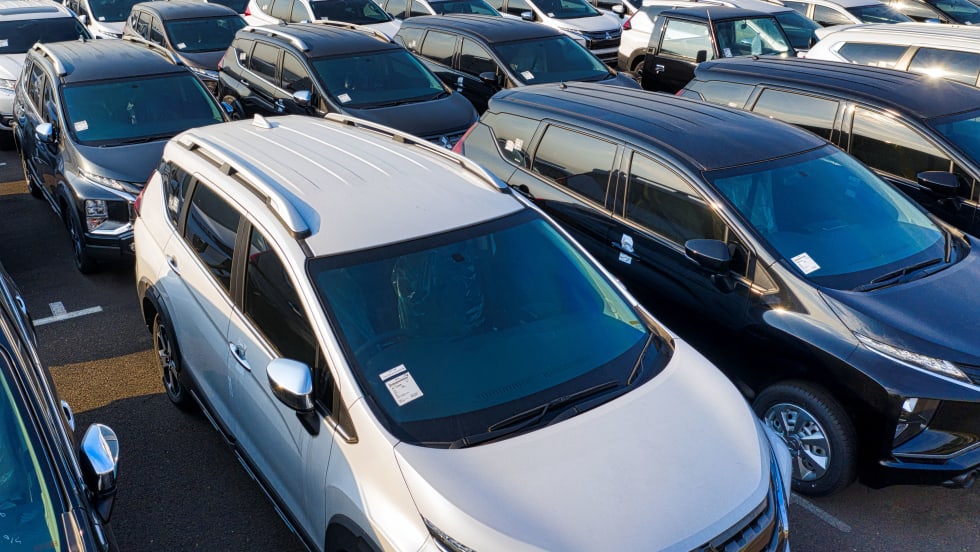
Used Sales Hit Summer Drag
The vacation season, combined with high prices, has dented deliveries and added to inventories, though supply is still slim enough to keep listings elevated.
Read More →
California Launches EV Rebate Program
Participating automakers are matching the state's $13.5 million investment in new electric-vehicle rebates scheduled to take effect later this summer.
Read More →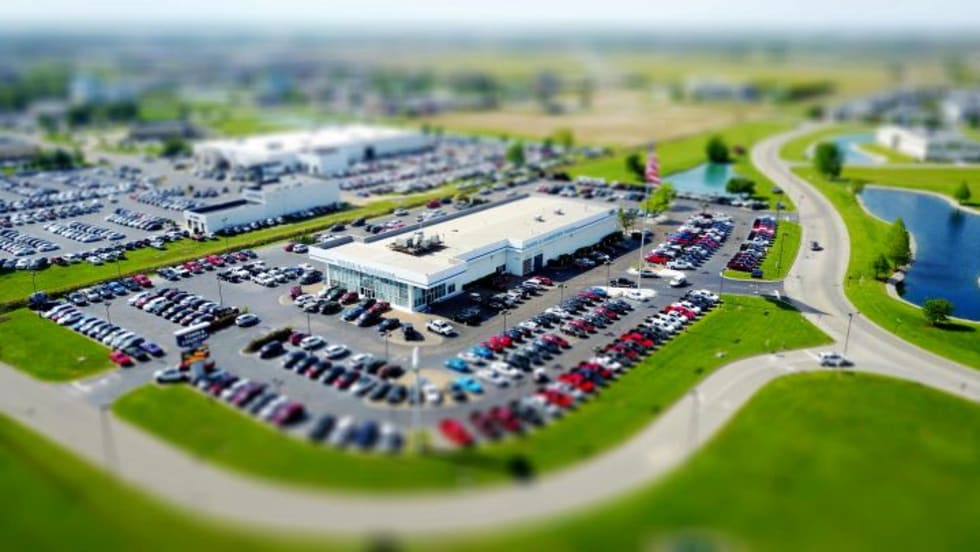
OEM Poll Sees Industry Evolution
Kerrigan Advisors’ survey of automakers finds that tariffs, technology, network tightening and other factors are poised to reshape auto retail.
Read More →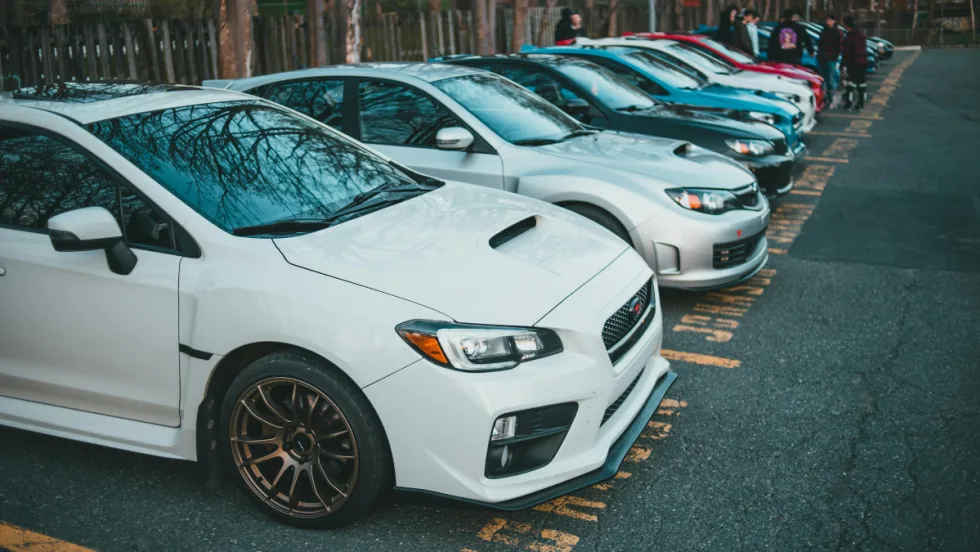
The Trade-In Paradox
Retailing older cars with confidence in today’s market is a matter of establishing and following a clear process that can turn greater profit for auto dealers as they aim to meet used-unit hunger.
Read More →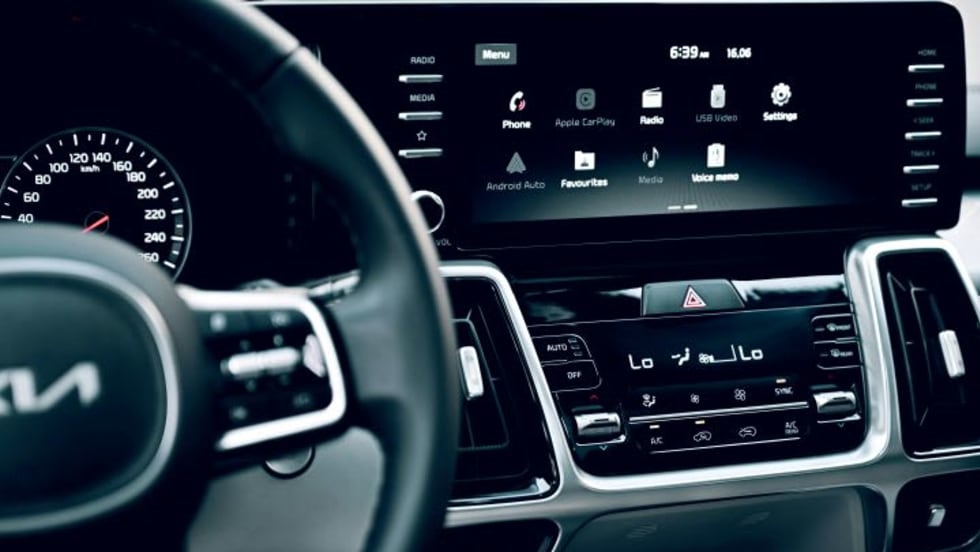
Focus on Vehicle Cabins
The market for interior materials will grow in coming years as automakers look to meet consumer demand while staying competitive with changeups to sourcing and included features.
Read More →