



EV Sales Skyrocket in Q2
US auto retailers sold 300,000 new EVs, an increase of 48.4% year-over-year and a record for any quarter.

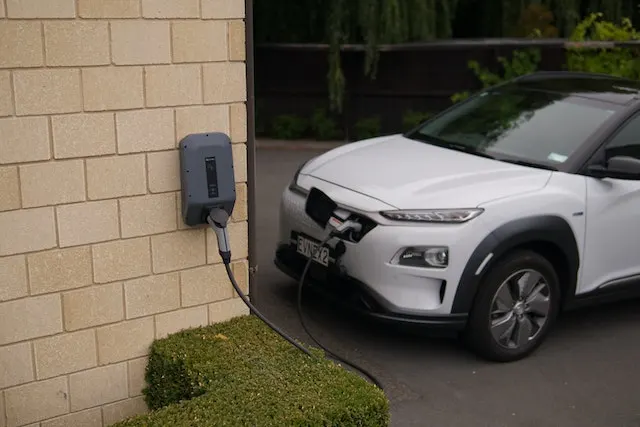
Cox Automotive forecasts the U.S. will welcome one million new EVs in 2023.
Ed Harvey, Pexels
Though the U.S. sold a record number of full battery-electric vehicles in the second quarter, Cox Automotive predicts dealers will fight to maintain that momentum.
According to Cox, U.S. auto retailers sold 300,000 new EVs, an increase of 48.4% year-over-year and a record for any quarter. U.S. EV share was 7.2%, up from 5.7% but down from the first-quarter high of an upwardly revised 7.3%.
Overall, Cox expects the country to welcome one million new EVs to its roads this year.
However, the data provider also reports that in late June, day’s supply of EVs jumped to over 100 compared to the industry average of 53 for internal combustion engine vehicles.
That leads Cox to predict that collaboration across many parties will be necessary to push EV sales.
“Building EVs is one thing, and many in the industry are proving excellent at that skill. Selling EVs is something different altogether,” Cox Automotive writes in “Electric Vehicle Sales in Q2 Strike Another Record, but Growth Ahead Will Be Hard Fought.” “Yes, EV sales records will continue to be set, and EV growth will continue to outpace overall industry growth, but the days of 75% year-over-year growth are in the rearview mirror. The hard-growth days are ahead.”
Cox also reported the following EV sales highlights for the second quarter:
Tesla remained the top seller in the U.S., selling over 175,000 units, a 34.8% increase from the previous quarter.
Tesla and other car manufacturers' price cuts and above-average incentive levels helped drive EV sales.
The average price paid for an EV was down nearly 20% year-over-year in June.
Tesla’s share of U.S. EV sales fell below 60% for the first time. Still, Chevrolet came in as a distant second. In fact, Tesla outsold Chevrolet 10 to one. Ford took third place in EV sales, while Hyundai came in fourth. Newcomer Rivian sold over 20,000 units.
Modelwise, one of every three EVs sold last quarter was a Tesla Model Y. Tesla's Model 3 sales, when combined with Model Y sales, constitute 50% of the U.S. electric vehicle market. The Model S, which was once the leader among high-end EVs, lost its top spot. In the super-luxury EV sedan market, the BMW i4 EV sedan is now the leader, having sold 6,777 units in the quarter.
Originally posted on Auto Dealer Today
More Showroom

New Cars Less Affordable
Buying conditions eroded for American shoppers last month due to inflation and interest rates, though they fared better than a year ago.

October Sales Divided
Inventory trends split between the new- and used-vehicle markets, though prices continued to rise for both in October.

Auto Transaction Prices Hit New Height
October sales of big, pricey models push up the average, even as budget-conscious consumers snag more economical options.

Making the Safe Choice
Kelley Blue Book has turned households with teen drivers onto safe and affordable options for their vehicles of choice

Inventory Holds Steady
September new-vehicle inventory rose slightly month-over-month, but dealer lots are laden with MY2026 vehicles as the typical model year changeover trudges along.

October Auto Sales Fall With the Leaves
A forecast anticipates retail deliveries are down this month as consumers continue to face cost challenges, though more are tapping long loans in order to buy.

California Sees Quarterly Gains
California’s new-vehicle market saw a boost in hybrids in the third quarter and its first overall quarterly market gain of the year.

New-Vehicle Prices Stay Put
Affordability pressures and model availability shaped new-vehicle sales in September, according to an analysis by Kelley Blue Book.

EV Buyer Consideration Shifts
What drives American consumers to purchase an electric vehicle is shifting as the question moves away from Should I?' to 'Which features and experience do I want to have?'

Year-to-Date Auto Sales Holding Their Own
A forecast through August shows that automakers have shifted strategies to keep deliveries and revenues up despite tariffs and other economic challenges.