



Experts Predict Russia-Ukraine Conflict Will Slash Global Vehicle Production
Experts predict the Russian invasion of Ukraine could slash global production of new cars and trucks by millions of units in 2022.

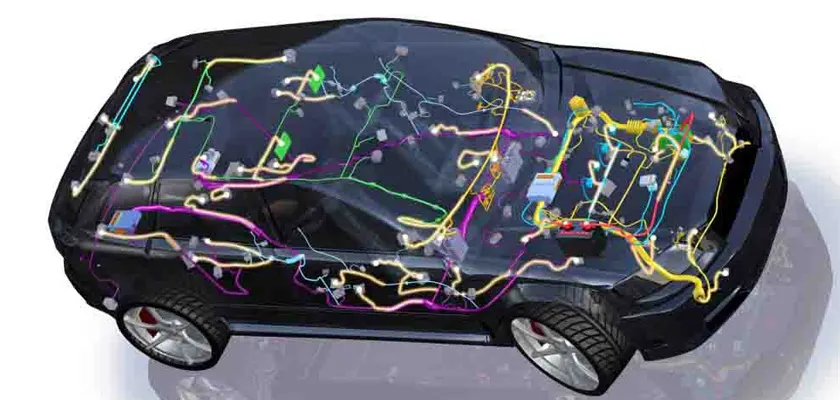
Wire harnesses used in automobiles are the latest part in short supply.
Creative Commons
Experts predict the Russian invasion of Ukraine could slash global production of new cars and trucks by millions of units in 2022.
Russia will see the greatest impacts as companies suspend operations in the country. But experts warn that the longer the war ensures the greater the effect it will have on the global automotive industry.
The Russian invasion has already generated new supply problems in an industry already plagued by supply disruptions. Wire harnesses, which act as a vehicle’s wiring system, are now in short supply. Catalytic converters and semiconductor chips also will be affected as these parts use materials and gases from the region.
Analysts expect the crisis to worse escalating inflation and push vehicle prices even higher.
The U.S. and its allies banned Russian oil use, driving up oil prices to record highs.
AAA reports the national average for one gallon of gas hit 4.009 on Sunday, the highest since July 2008.
Forecasts surrounding the impact on vehicle output vary given the fluidity of the situation. But most say the conflict could reduce output by millions of units.
The European vehicle market will experience the effects faster than the U.S. and other markets. Audi and Mercedes-Benz already announced plans to cut production output due to parts disruptions out of Ukraine.
UBS Analyst Patrick Hummel notes wire harnesses are the most critical bottleneck to date, already leading to significant product interruption among German automakers.
AutoForecast Solutions expects vehicle production this year in Russia and Ukraine to fall 50%, to around 800,000 units, because of the conflict.
Research firm IHS Markit expects the global impact this year to be around 3.5 million fewer vehicles when added to existing semiconductor chip constraints. Russia and Ukraine represent critical sources of neon gas and palladium used in semiconductor chips.
Long-term risks are also a concern. Companies that shuttered production in Russia will likely face backlash if they resume operations, report experts. Matt Gorman, a corporate communications advisor and Republican strategist, says companies will need to provide concrete justification for such a strategy.
Only a few automakers maintain notable operations in Russia. France-based Renault Group, which has a controlling stake in Russian automaker AvtoVAZ, comprises 39.5% of the country’s vehicle production, followed by South Korea-based Hyundai Group at 27.2%.
Volkswagen represents a 12.2% share of the country’s auto output, reports IHS Markit. Japan’s Toyota Motor makes up 5%.
The Russian vehicle market represents 1.6 to 1.75 million in annual unit sales over the last three years. That number is 1/10 the size of the U.S. market and represents just 2% of global vehicle sales in 2021.
Originally posted on Auto Dealer Today
More Showroom

Year-to-Date Auto Sales Holding Their Own
A forecast through August shows that automakers have shifted strategies to keep deliveries and revenues up despite tariffs and other economic challenges.
Read More →
Slow to Robo
Ten years of polling consumers shows autonomous vehicles’ profiles have risen considerably, but even more people now want at least some level of control if they go that route.
Read More →
Dealers a Little Down
A third-quarter Cox Automotive survey finds them in a mixed mood, bummed by fallen customer traffic but encouraged by better profits, costs and EV interest.
Read More →
European EV Sales Skyrocket
The EV market on the continent held strong in July with almost 25% of new-car sales being fully electric units, a stark contrast to the U.S., where EV sales declined about 42%.
Read More →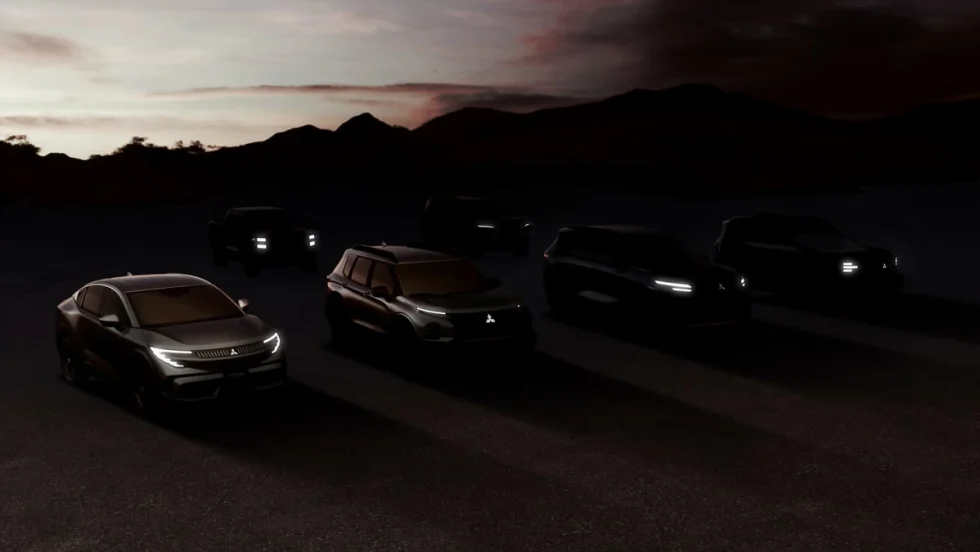
Mitsubishi Unveils U.S. Plan
The automaker announced a strategy that includes an expanded lineup and dealership presence, along with more ‘rugged’ and electric models.
Read More →
Used Lots Getting the Business
Many consumers are seeking out the units to save money, and the demand – higher in July than normal – is keeping supply limited and prices up.
Read More →
Used Market Stabilizes
The Carfax Used Car Index noted a major drop in used-vehicle price increases in July after several months of hikes.
Read More →
California Hybrids Reach State Record
The Golden State still leads the country in electric-vehicle registrations, but much like the rest of the U.S. its hybrid market share is up while full electrics stabilize after a dramatic first-quarter dip.
Read More →
My Mercedes in the U.S.
The German brand debuted its studio dealership concept for the first time in the states in Los Angeles, tapping Americans’ penchant for creative distinctions.
Read More →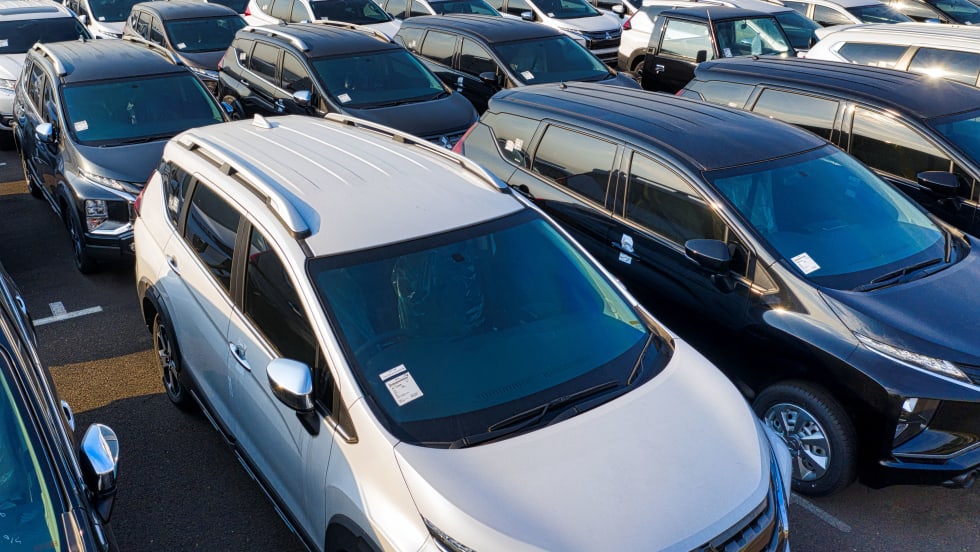
Used Sales Hit Summer Drag
The vacation season, combined with high prices, has dented deliveries and added to inventories, though supply is still slim enough to keep listings elevated.
Read More →