



Experts Predict Soaring Vehicle Prices
The Ukraine invasion has ramped up the price of metals used in vehicles and OEMs likely will pass these costs on to consumers.

Creative Commons
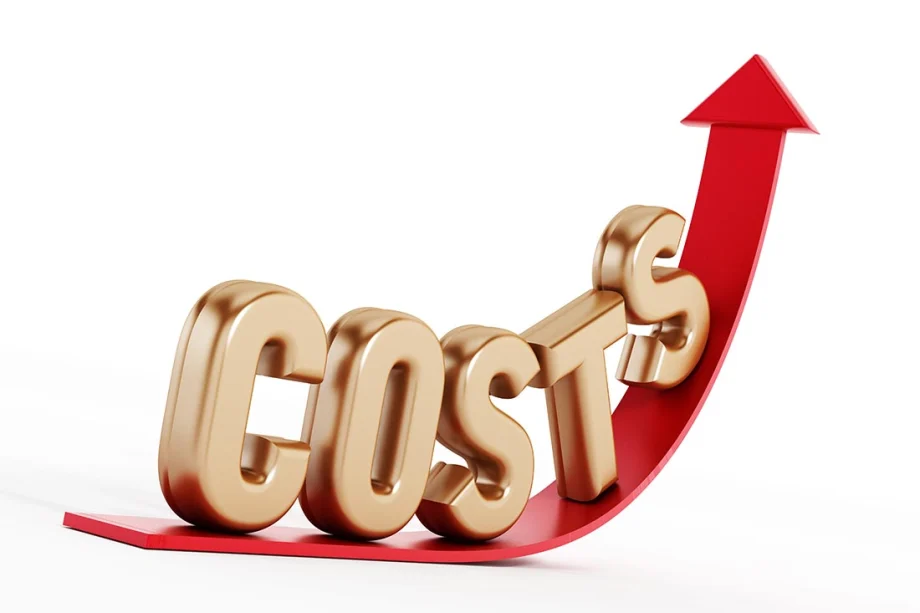
Vehicles prices will skyrocket because of Russia’s invasion of Ukraine.
The invasion has ramped up the price of metals used in vehicles, from aluminum in the body to palladium in their catalytic converters to the high-grade nickel in electric vehicle batteries. OEMs will pass these costs on to consumers.
Western sanctions haven’t targeted metals yet. But shippers and auto parts suppliers now avoid Russian goods.
Aluminum and palladium hit record highs on Monday while nickel, which is also used to make stainless steel, crossed the $100,000-a-tonne level for the first time ever on Tuesday.
Andreas Weller, chief executive of Aludyne, which makes aluminum and magnesium die-cast parts for automakers, reported his business has seen a 60% rise in aluminum prices over the past four months. He also noted his business has been hit with soaring energy costs. Weller, whose company is based in Southfield, Michigan, reports he’s had to pass these costs on to customers.
The semiconductor chip shortage has already dropped vehicle industries and pushed prices up. It’s expected that the new shortages will do more of the same.
LMC and J.D. Power report the average transaction price for a new vehicle in the United States was $44,460 in February, up 18.5% from the same month in 2021.
German carmakers and BMW already see the effects of the Russian invasion, which has forced wire harnesses manufacturers near the conflict to halt production. A wire harness is a vital set of parts for today’s vehicles and Ukraine is a key supplier.
Russia companies also supply metals to Germany. In 2020, Russia accounted for 44% of Germany's nickel imports, 41% of its titanium, a third of its iron, and 18% of its palladium.
Russia also is the world's fifth-largest producer of iron ore and major supplier to European steelmakers, who face higher prices and supply difficulties, according to Credit Suisse.
The country is also a large manufacturer of aluminum, accounting for 6% of global output.
Nickel prices have also skyrocketed. The metal is used to make batteries for electric vehicles (EVs), challenging automakers as demand for EVs takes off.
These challenges will drive up the cost of producing EV batteries, which are already among the most expensive components in EVs. BMW reports it is focused on recycling battery nickel, with up to 50% scrap nickel used in the high-voltage battery of its new BMW iX model.
Palladium prices and shortages also put automakers in a bind. Russia accounts for about 40% of the global market. Automakers use palladium in catalytic converters for gasoline models and platinum for diesel models. There is no replacement for palladium and platinum.
Originally posted on Auto Dealer Today
More Showroom

California Sees Quarterly Gains
California’s new-vehicle market saw a boost in hybrids in the third quarter and its first overall quarterly market gain of the year.
Read More →
New-Vehicle Prices Stay Put
Affordability pressures and model availability shaped new-vehicle sales in September, according to an analysis by Kelley Blue Book.
Read More →
EV Buyer Consideration Shifts
What drives American consumers to purchase an electric vehicle is shifting as the question moves away from Should I?' to 'Which features and experience do I want to have?'
Read More →
Year-to-Date Auto Sales Holding Their Own
A forecast through August shows that automakers have shifted strategies to keep deliveries and revenues up despite tariffs and other economic challenges.
Read More →
Slow to Robo
Ten years of polling consumers shows autonomous vehicles’ profiles have risen considerably, but even more people now want at least some level of control if they go that route.
Read More →
Dealers a Little Down
A third-quarter Cox Automotive survey finds them in a mixed mood, bummed by fallen customer traffic but encouraged by better profits, costs and EV interest.
Read More →
European EV Sales Skyrocket
The EV market on the continent held strong in July with almost 25% of new-car sales being fully electric units, a stark contrast to the U.S., where EV sales declined about 42%.
Read More →
Mitsubishi Unveils U.S. Plan
The automaker announced a strategy that includes an expanded lineup and dealership presence, along with more ‘rugged’ and electric models.
Read More →
Used Lots Getting the Business
Many consumers are seeking out the units to save money, and the demand – higher in July than normal – is keeping supply limited and prices up.
Read More →
Used Market Stabilizes
The Carfax Used Car Index noted a major drop in used-vehicle price increases in July after several months of hikes.
Read More →