



Financial Impacts Top EV Consumer Concerns
Almost half of respondents to a recent S&P Global survey say prices are excessively high.

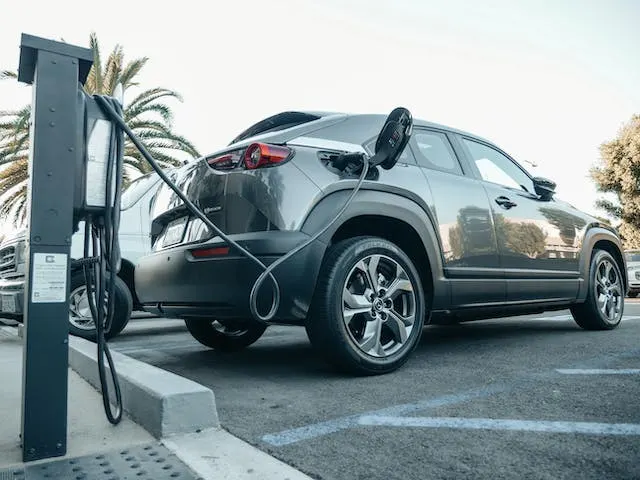
Among consumers intending to buy EVs, 25% plan to use public charging stations.
IMAGE: Pexels
A new S&P Global Mobility survey found the top worry among potential electric-vehicle buyers is the financial impact of such a purchase.
In fact, among the 7,500 respondents to the May survey worldwide, 48% expressed the belief that EV prices are excessively high.
"Pricing is still very much the biggest barrier to electric vehicles," Yanina Mills, senior technical research analyst at S&P Global Mobility, said in a press release.
Consumer sentiment for purchasing an EV has also dropped in the past two years, emblematic of an immature market segment, Mills said. Only 67% of survey respondents said they were open to buying an EV, a 19% drop from 2021.
Also, fewer than half said they believe EV technology is ready for mass-market adoption.
Just 42% of respondents reported they were considering an EV for their next vehicle purchase, and 62% said they were waiting for the technology to improve before purchasing one,.
Among the reasons against buying an EV, charging concerns ranked second only to vehicle cost.
Charging time concerned 46% of respondents, while 44% were concerned about charging station availability—a reversal from the 2022 survey, when more respondents were concerned about the latter. However, most respondents said they are willing to wait 30 minutes to an hour to recharge.
A common complaint about electric vehicles is non-homeowners' challenge in charging them. The survey results suggest that concern may be overstated. Just 42% of owners typically charge their EV at home, and only 51% of current and repeat EV owners reported having a charger installed at home, according to the survey.
Vehicle owners reported charging their vehicles in a range of locations, including streets, highways and at the workplace. Among prospective EV buyers, 25% plan to use public charging stations, according to the survey.
Roughly 31% of participants stated they wouldn't pay extra for a faster home charge, while 40% were willing to pay a 10% increase for a quicker Level 2 home charger. While consumers seek fast charging on the road, they're content to wait overnight for a complete charge at home, the survey concluded.
When it came to range, 19% of respondents said they would accept 251 to 300 miles between charges, 21% were comfortable with a range from 201 to 250 miles, and 29% preferred a minimum range of above 300 miles.
Current EV range capabilities match the consumer expectations. Almost every EV on the market has a U.S. Environmental Protection Agency range of over 200 miles, S&P said.
Originally posted on Auto Dealer Today
More Showroom

New Cars Less Affordable
Buying conditions eroded for American shoppers last month due to inflation and interest rates, though they fared better than a year ago.

October Sales Divided
Inventory trends split between the new- and used-vehicle markets, though prices continued to rise for both in October.

Auto Transaction Prices Hit New Height
October sales of big, pricey models push up the average, even as budget-conscious consumers snag more economical options.

Making the Safe Choice
Kelley Blue Book has turned households with teen drivers onto safe and affordable options for their vehicles of choice

Inventory Holds Steady
September new-vehicle inventory rose slightly month-over-month, but dealer lots are laden with MY2026 vehicles as the typical model year changeover trudges along.

October Auto Sales Fall With the Leaves
A forecast anticipates retail deliveries are down this month as consumers continue to face cost challenges, though more are tapping long loans in order to buy.

California Sees Quarterly Gains
California’s new-vehicle market saw a boost in hybrids in the third quarter and its first overall quarterly market gain of the year.

New-Vehicle Prices Stay Put
Affordability pressures and model availability shaped new-vehicle sales in September, according to an analysis by Kelley Blue Book.

EV Buyer Consideration Shifts
What drives American consumers to purchase an electric vehicle is shifting as the question moves away from Should I?' to 'Which features and experience do I want to have?'

Year-to-Date Auto Sales Holding Their Own
A forecast through August shows that automakers have shifted strategies to keep deliveries and revenues up despite tariffs and other economic challenges.