



Ford, BMW, Honda Form EV Charging Firm
‘ChargeScape’ to connect EVs, power companies and automakers to manage electricity use for all three.

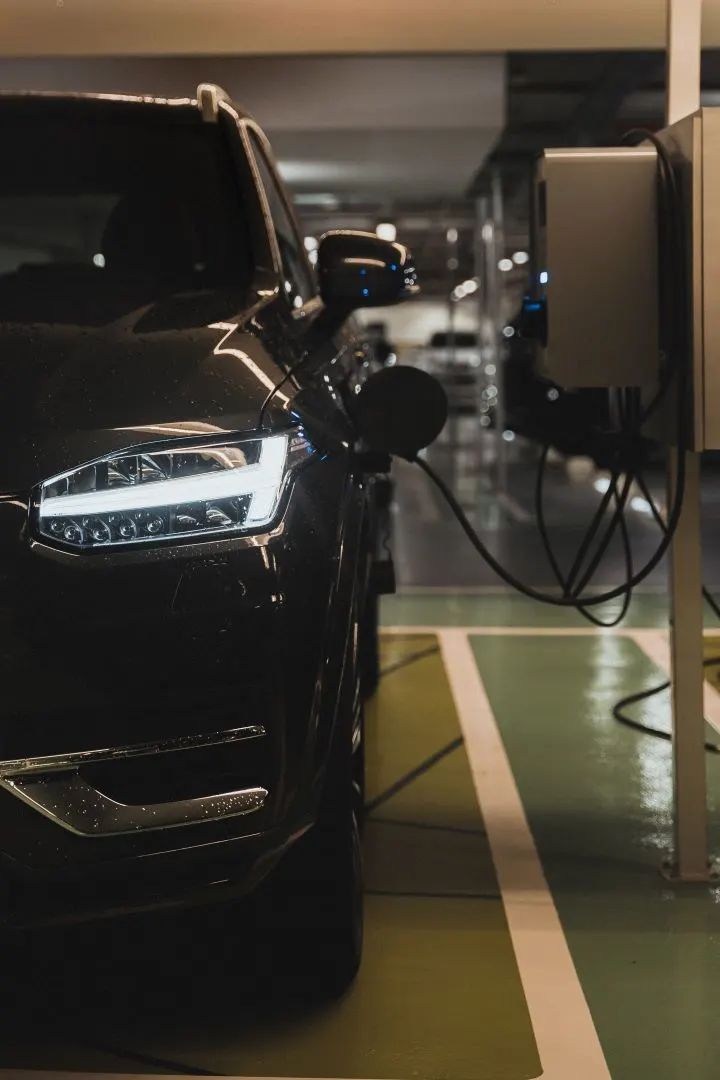
Ford says company would 'eliminate the need for individual integrations between each automotive brand and each electric utility.'
IMAGE: Pexels/Antoni Shkraba
Ford, BMW and Honda have formed a company designed to connect electric vehicles, automakers and the power grid in the U.S. and Canada to benefit all.
Called ChargeScape, the enterprise awaits regulatory approvals, but the brands say they expect it to be operational early next year.
It would manage energy use for EVs that the brands say would be optimized, convenient and cost-effective.
EV owners would get cost savings for charging their vehicles at “grid-friendly times” while eventually having the option to apply to add stored energy to the grid from their batteries during peak demand periods.
The company’s platform would “eliminate the need for individual integrations between each automotive brand and each electric utility,” instead connecting utilities to “a wide pool of EVs,” Ford said in a press release announcing the company.
The participating automakers say the partnership would help manage power usage by EVs to enable “grid resiliency.” Some industry watchers have expressed concern that the drive toward eventual replacement of gas-powered vehicles with EVs would strain the existing grid and that the transition should happen more gradually to give communities and utilities more time to prepare.
In announcing ChargeScape, the brands said it would ultimately play an even loftier environmental goal of “helping to decarbonize the grid.” Ford’s press release says the partnership would “reduce EV customers’ personal carbon footprints by utilizing electricity that comes from more readily available renewable energy sources, such as wind or solar.”
Originally posted on Auto Dealer Today
More Showroom

New-Vehicle Prices Stay Put
Affordability pressures and model availability shaped new-vehicle sales in September, according to an analysis by Kelley Blue Book.
Read More →
EV Buyer Consideration Shifts
What drives American consumers to purchase an electric vehicle is shifting as the question moves away from Should I?' to 'Which features and experience do I want to have?'
Read More →
Year-to-Date Auto Sales Holding Their Own
A forecast through August shows that automakers have shifted strategies to keep deliveries and revenues up despite tariffs and other economic challenges.
Read More →
Slow to Robo
Ten years of polling consumers shows autonomous vehicles’ profiles have risen considerably, but even more people now want at least some level of control if they go that route.
Read More →
Dealers a Little Down
A third-quarter Cox Automotive survey finds them in a mixed mood, bummed by fallen customer traffic but encouraged by better profits, costs and EV interest.
Read More →
European EV Sales Skyrocket
The EV market on the continent held strong in July with almost 25% of new-car sales being fully electric units, a stark contrast to the U.S., where EV sales declined about 42%.
Read More →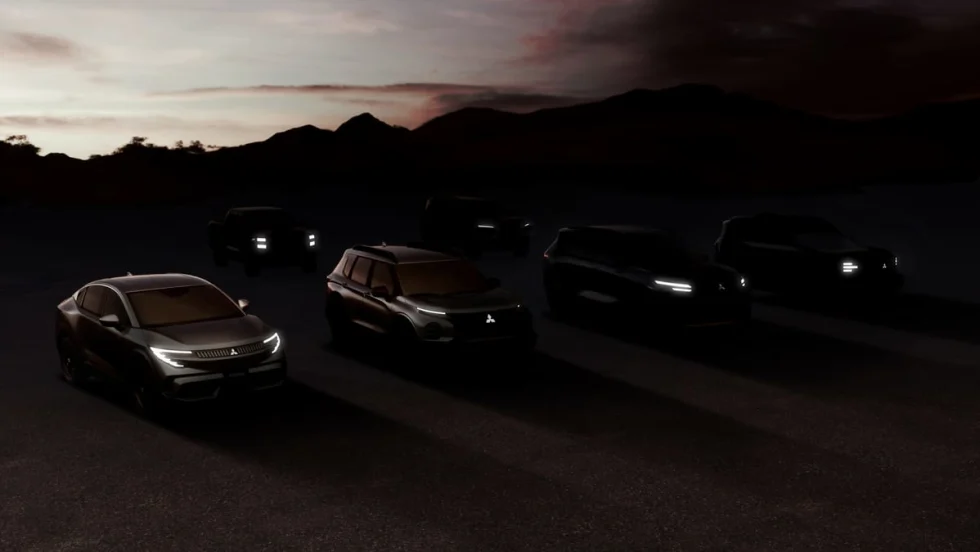
Mitsubishi Unveils U.S. Plan
The automaker announced a strategy that includes an expanded lineup and dealership presence, along with more ‘rugged’ and electric models.
Read More →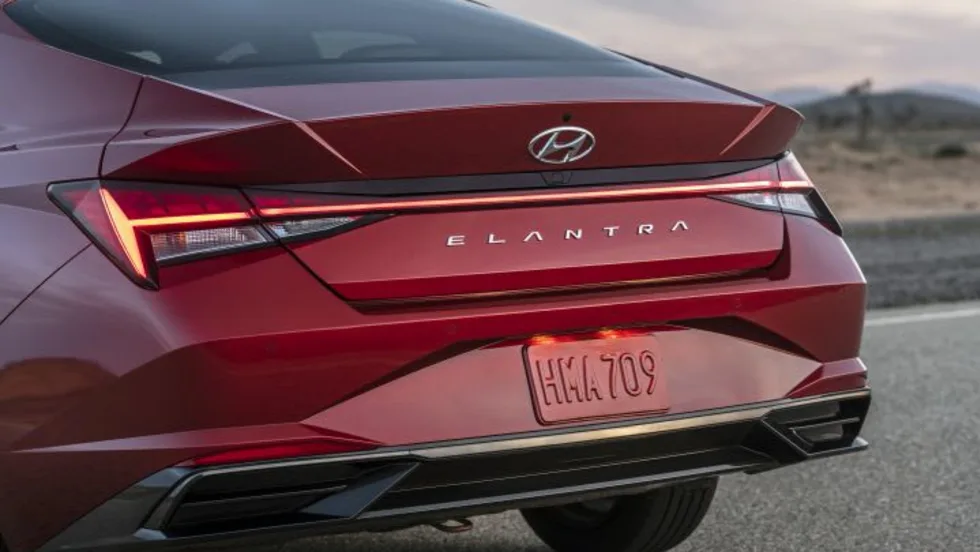
Used Lots Getting the Business
Many consumers are seeking out the units to save money, and the demand – higher in July than normal – is keeping supply limited and prices up.
Read More →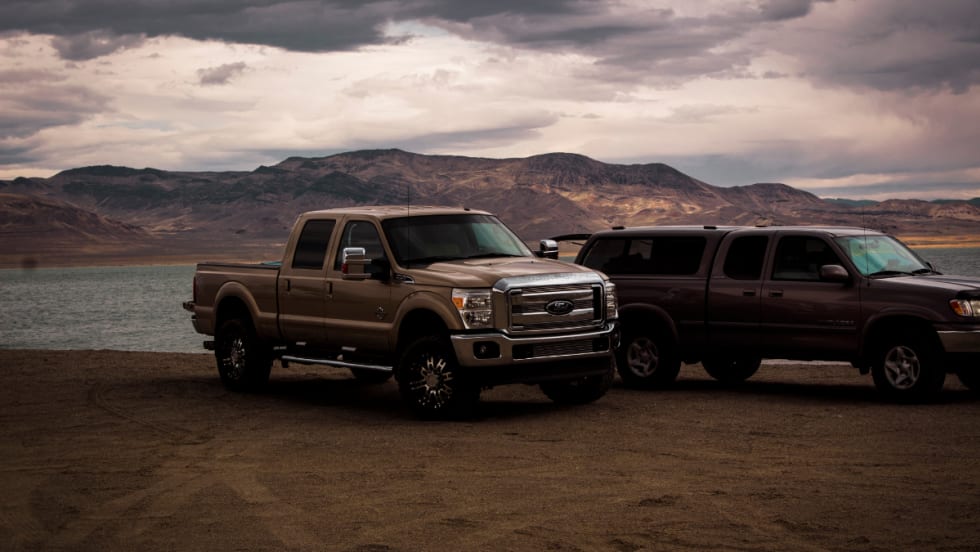
Used Market Stabilizes
The Carfax Used Car Index noted a major drop in used-vehicle price increases in July after several months of hikes.
Read More →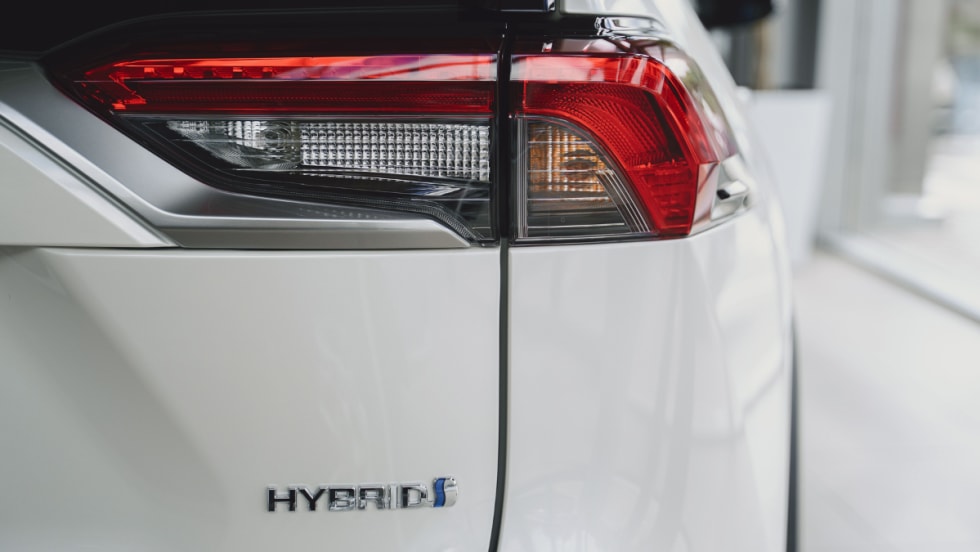
California Hybrids Reach State Record
The Golden State still leads the country in electric-vehicle registrations, but much like the rest of the U.S. its hybrid market share is up while full electrics stabilize after a dramatic first-quarter dip.
Read More →