



Ford CEO Names Top Priorities for EVs
Ford Motor Co. President and CEO Chris Farley names making electric vehicles more affordable and mining battery minerals in the U.S. as top priorities.

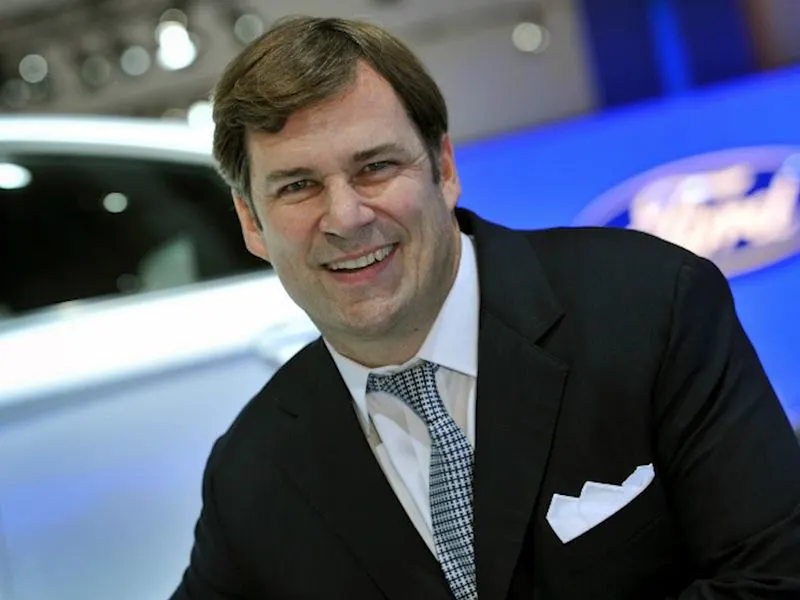
Jim Farley
Ford Motor Co.
Making electrical vehicles more affordable should be a top priority for automakers as currently the average vehicle-buyer cannot afford them, reports Jim Farley, Ford Motor Co. president & CEO.
“I’m deeply worried about the affordability,” Farley said during a live-streamed interview with Mary Kramer, the director of the annual Detroit Homecoming VIII event.
“We have a lot of work to do to make them more affordable,” he said. “That’s the one that keeps me up at night.”
Farley noted the EV version of the F-150 is completely sold out in Europe, U.S. and China. “We have 150,000 orders and the truck isn’t just fast ... it’s very fast but it can power your house for three days. I think this will really change electrification,” he says.
He noted that the first generation of electric owners don’t work small commuter, economy vehicles. “They want Mustangs, they want pickup trucks, they want utility vans,” said Farley. “They want the best products.”
EV production could impact labor concerns since it costs 30% less to manufacture the electrical vehicles. Battery supply and minerals such as lithium and cobalt to power them also present potential obstacles, said Farley.
He recommends bringing battery production to the United States but stresses the supply chain must go all the way to the mines. “That’s where the real cost is and people in the U.S. don't want mining in their neighborhoods,” he said.
The question is, he said: Are we going to import lithium and pull cobalt from nation-states that have child labor and all sorts of corruption or all we going to get serious about mining? We have to solve these things and we don't have much time."
Farley said the company is also exploring an autonomous highway that will run down Michigan Avenue through Detroit, Dearborn and then ending in Ann Arbor. He did not release more details on it but said local governments will have to be on board with it.
"Autonomy is taking longer than we thought," said Farley. "But we still have to solve the second-order problems. Like do we have dedicated infrastructure for our autonomous vehicles? I don't think we should wait for regulators to make up their mind. We have to solve this as companies."
Originally posted on Auto Dealer Today
More Showroom

New Cars Less Affordable
Buying conditions eroded for American shoppers last month due to inflation and interest rates, though they fared better than a year ago.

October Sales Divided
Inventory trends split between the new- and used-vehicle markets, though prices continued to rise for both in October.

Auto Transaction Prices Hit New Height
October sales of big, pricey models push up the average, even as budget-conscious consumers snag more economical options.

Making the Safe Choice
Kelley Blue Book has turned households with teen drivers onto safe and affordable options for their vehicles of choice

Inventory Holds Steady
September new-vehicle inventory rose slightly month-over-month, but dealer lots are laden with MY2026 vehicles as the typical model year changeover trudges along.

October Auto Sales Fall With the Leaves
A forecast anticipates retail deliveries are down this month as consumers continue to face cost challenges, though more are tapping long loans in order to buy.

California Sees Quarterly Gains
California’s new-vehicle market saw a boost in hybrids in the third quarter and its first overall quarterly market gain of the year.

New-Vehicle Prices Stay Put
Affordability pressures and model availability shaped new-vehicle sales in September, according to an analysis by Kelley Blue Book.

EV Buyer Consideration Shifts
What drives American consumers to purchase an electric vehicle is shifting as the question moves away from Should I?' to 'Which features and experience do I want to have?'

Year-to-Date Auto Sales Holding Their Own
A forecast through August shows that automakers have shifted strategies to keep deliveries and revenues up despite tariffs and other economic challenges.