



Ford Drives EV Plans Forward
Pursues segment despite over $4.5 billion in projected losses this year.

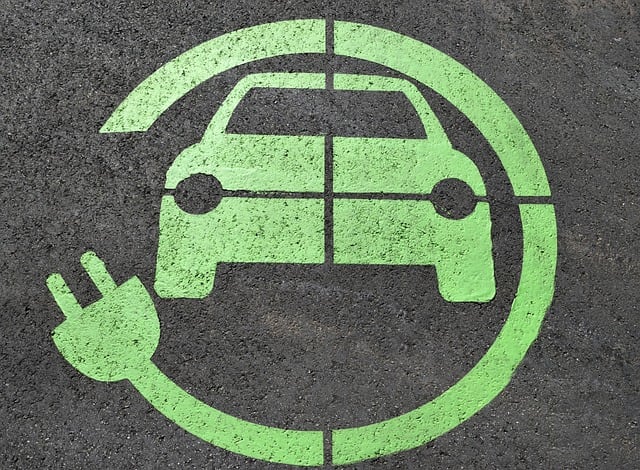
Ford plugs into plans to build 400,000 EVs annually but has slowed the timeline for when.
IMAGE: Pixabay
In late July, Ford predicted its electric vehicle business unit, Model e, could lose $4.5 billion more than expected this year because of slower-than-expected adoption of the new technology.
Despite the potential possible losses, Ford is still pursuing EV growth plans, reported CEO Jim Farley on Ford’s second-quarter earnings call last month.
"While the path to sustainable profitability may not look quite the same as we previously thought, we're confident in our ability to deliver through a more efficient product design, cost efficiencies and growth in software and services, which will continue to accelerate," he said on the call.
The automaker is driving forward plans to build 400,000 EVs annually but has slowed the timeline for when that will happen.
Instead of 2023, the automaker now says it will reach that destination some time in 2024. The company also has delayed its production goal of two million EVs by 2026, reported Automotive News.
Ford reported that it expects 8% margins on EVs in 2026. A second-generation EV platform will help the automaker achieve the goal, which includes a full-size pickup built in Blue Oval City, a planned automotive production complex in Tennessee, and a three-row crossover built in Canada.
Farley noted next-generation products will have simpler assembly and software upgrades, which may utilize a software subscription model to generate additional profits.
The Automotive News article reported that Ford expressed confidence in the demand for its current EVs, including the F-150 Lightning, Mustang Mach-E and E-Transit.
"As we've demonstrated over the last several years, we will continue to be laser focused on disciplined capital allocation and ultimately delivering a leading and profitable EV footprint that provides us with the flexibility to scale based on customer demand,” Farley told investors.
Originally posted on Auto Dealer Today
More Showroom

New Cars Less Affordable
Buying conditions eroded for American shoppers last month due to inflation and interest rates, though they fared better than a year ago.

October Sales Divided
Inventory trends split between the new- and used-vehicle markets, though prices continued to rise for both in October.

Auto Transaction Prices Hit New Height
October sales of big, pricey models push up the average, even as budget-conscious consumers snag more economical options.

Making the Safe Choice
Kelley Blue Book has turned households with teen drivers onto safe and affordable options for their vehicles of choice

Inventory Holds Steady
September new-vehicle inventory rose slightly month-over-month, but dealer lots are laden with MY2026 vehicles as the typical model year changeover trudges along.

October Auto Sales Fall With the Leaves
A forecast anticipates retail deliveries are down this month as consumers continue to face cost challenges, though more are tapping long loans in order to buy.

California Sees Quarterly Gains
California’s new-vehicle market saw a boost in hybrids in the third quarter and its first overall quarterly market gain of the year.

New-Vehicle Prices Stay Put
Affordability pressures and model availability shaped new-vehicle sales in September, according to an analysis by Kelley Blue Book.

EV Buyer Consideration Shifts
What drives American consumers to purchase an electric vehicle is shifting as the question moves away from Should I?' to 'Which features and experience do I want to have?'

Year-to-Date Auto Sales Holding Their Own
A forecast through August shows that automakers have shifted strategies to keep deliveries and revenues up despite tariffs and other economic challenges.