



Ford Takes Bottom-Line Hit on EVs
But loss is step toward profitability soon, it predicts.

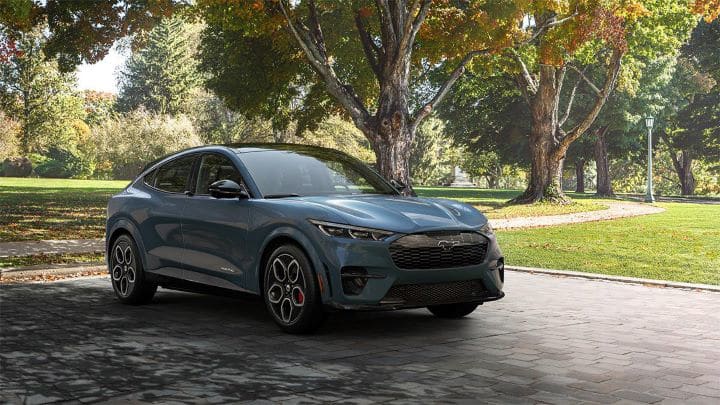
Ford projects its longest-running EV models, including the Mustang Mach-E, will be profitable pretax by the close of next year.
IMAGE: Ford
Ford told investors Thursday that its electric-vehicle business will lose $3 billion this year, though it projects healthy overall profit of $9 billion to $11 billion and that the EV business should turn its own profit of 8% by the close of 2026.
The news illustrates the Dearborn-Mich.-based carmaker’s investment in EVs as it works to compete with market leader Tesla and work along with many other legacy brands to transition to all-electric lineups next decade.
Ford, which was the second biggest selling EV seller in the U.S. last year, said earlier this month that it’s ramping up production of its popular and longest-running EV models, including the Mustang Mach-E, whose hourly production will nearly double to an annual average production of 210,000 by the end of the year.
Ford F-150 Lightning production is scheduled to triple this year with a $2 billion investment across three plants. The targeted annual production rate for it is 150,000. Ford sold 15,617 of them last year, making it the best-selling electric truck in the U.S.
The carmaker recently split its operations between electric and internal-combustion-engine models and aims for half of its worldwide sales to be EVs by 2030.
Ford said the new Model e business unit for EVs should have a cumulative 2021 to 2023 loss of $6 billion. It projects its longest-running EV models will be profitable pretax by the close of next year.
The brand still has a ways to go to catch up with Tesla on EV market share. But according to Kelley Blue Book estimates, Tesla’s share continues to fall as legacy brands like Ford make inroads, dipping below 60% for the first time in the fourth quarter.
Originally posted on Auto Dealer Today
More Showroom

California Sees Quarterly Gains
California’s new-vehicle market saw a boost in hybrids in the third quarter and its first overall quarterly market gain of the year.
Read More →
New-Vehicle Prices Stay Put
Affordability pressures and model availability shaped new-vehicle sales in September, according to an analysis by Kelley Blue Book.
Read More →
EV Buyer Consideration Shifts
What drives American consumers to purchase an electric vehicle is shifting as the question moves away from Should I?' to 'Which features and experience do I want to have?'
Read More →
Year-to-Date Auto Sales Holding Their Own
A forecast through August shows that automakers have shifted strategies to keep deliveries and revenues up despite tariffs and other economic challenges.
Read More →
Slow to Robo
Ten years of polling consumers shows autonomous vehicles’ profiles have risen considerably, but even more people now want at least some level of control if they go that route.
Read More →
Dealers a Little Down
A third-quarter Cox Automotive survey finds them in a mixed mood, bummed by fallen customer traffic but encouraged by better profits, costs and EV interest.
Read More →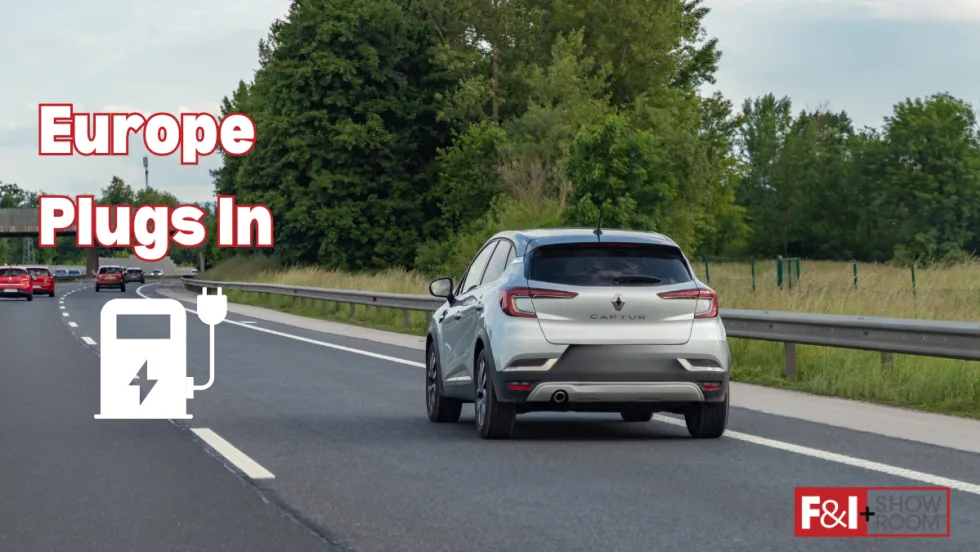
European EV Sales Skyrocket
The EV market on the continent held strong in July with almost 25% of new-car sales being fully electric units, a stark contrast to the U.S., where EV sales declined about 42%.
Read More →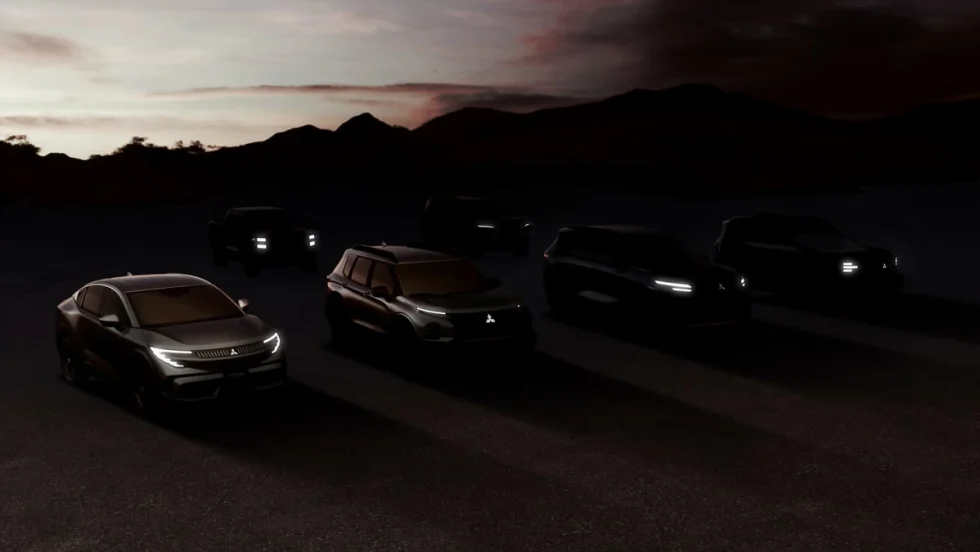
Mitsubishi Unveils U.S. Plan
The automaker announced a strategy that includes an expanded lineup and dealership presence, along with more ‘rugged’ and electric models.
Read More →
Used Lots Getting the Business
Many consumers are seeking out the units to save money, and the demand – higher in July than normal – is keeping supply limited and prices up.
Read More →
Used Market Stabilizes
The Carfax Used Car Index noted a major drop in used-vehicle price increases in July after several months of hikes.
Read More →