



Ford, UAW Reach Tentative Deal
Includes 25% wage bump, awaits member ratification.

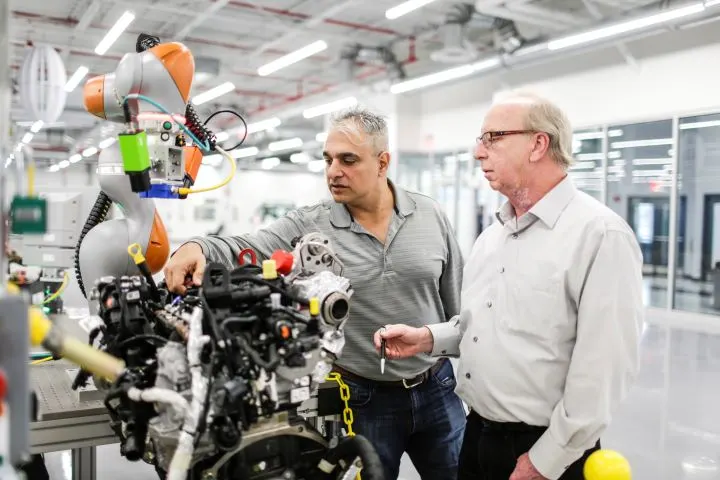
The union said the cumulative increase amounts to a top wage of more than $40 an hour and a starting wage of $28 an hour.
IMAGE: Ford
Ford reached a tentative contract agreement with the United Auto Workers union after almost six weeks of strikes, becoming the first of the big three Detroit automakers to end plant walkouts.
UAW had kept pushing for higher wages, and Ford ultimately decided to acquiesce, granting 25% increases over the contract, which would stretch into 2028.
The union said the cumulative increase amounts to a top wage of more than $40 an hour and a starting wage of $28 an hour.
The agreement, which awaits union member ratification, is the first among the big three and therefore pressures General Motors and Jeep maker Stellantis to follow suit.
UAW President Shawn Fain said in a video statement that the union aimed to get a greater share of automakers’ record profits in wages.
“Since the strike began, Ford put 50% more on the table than when we walked out. This agreement sets us on a new path to make things right at Ford, at the Big Three, and across the auto industry. Together, we are turning the tide for the working class in this country.”
Ford President and CEO Jim Farley said in a statement that it’s proud to employ the most hourly auto workers and that it’s looking forward to “shipping our full lineup to our customers again.”
The company releases its third-quarter results later today, though full effects of the strike may not be seen until the fourth.
Originally posted on Auto Dealer Today
More Showroom

New-Vehicle Prices Stay Put
Affordability pressures and model availability shaped new-vehicle sales in September, according to an analysis by Kelley Blue Book.
Read More →
EV Buyer Consideration Shifts
What drives American consumers to purchase an electric vehicle is shifting as the question moves away from Should I?' to 'Which features and experience do I want to have?'
Read More →
Year-to-Date Auto Sales Holding Their Own
A forecast through August shows that automakers have shifted strategies to keep deliveries and revenues up despite tariffs and other economic challenges.
Read More →
Slow to Robo
Ten years of polling consumers shows autonomous vehicles’ profiles have risen considerably, but even more people now want at least some level of control if they go that route.
Read More →
Dealers a Little Down
A third-quarter Cox Automotive survey finds them in a mixed mood, bummed by fallen customer traffic but encouraged by better profits, costs and EV interest.
Read More →
European EV Sales Skyrocket
The EV market on the continent held strong in July with almost 25% of new-car sales being fully electric units, a stark contrast to the U.S., where EV sales declined about 42%.
Read More →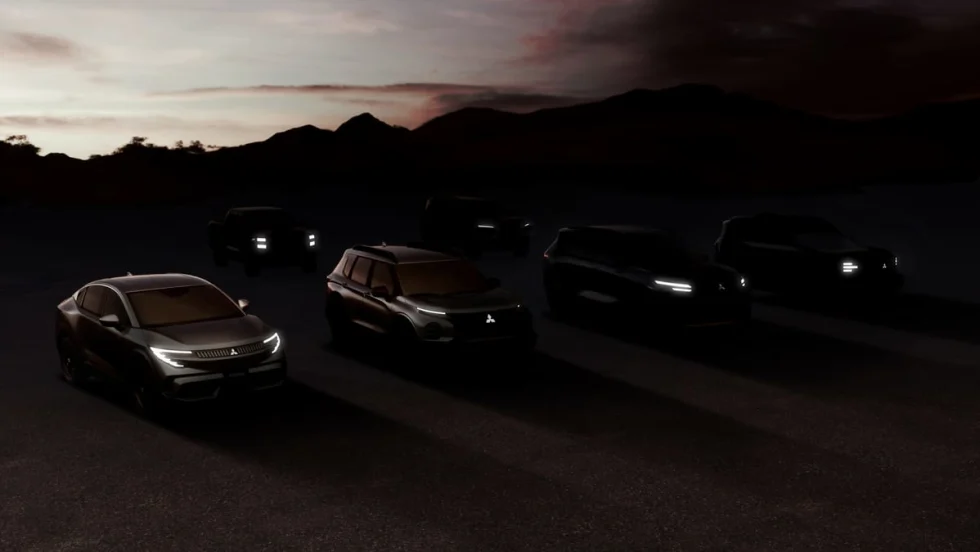
Mitsubishi Unveils U.S. Plan
The automaker announced a strategy that includes an expanded lineup and dealership presence, along with more ‘rugged’ and electric models.
Read More →
Used Lots Getting the Business
Many consumers are seeking out the units to save money, and the demand – higher in July than normal – is keeping supply limited and prices up.
Read More →
Used Market Stabilizes
The Carfax Used Car Index noted a major drop in used-vehicle price increases in July after several months of hikes.
Read More →
California Hybrids Reach State Record
The Golden State still leads the country in electric-vehicle registrations, but much like the rest of the U.S. its hybrid market share is up while full electrics stabilize after a dramatic first-quarter dip.
Read More →