



GM and Ford Seek Permission to Deploy Autonomous Vehicles
GM and Ford seek exemptions to deploy a limited number of self-driving vehicles without human controls like steering wheels and brake pedals.

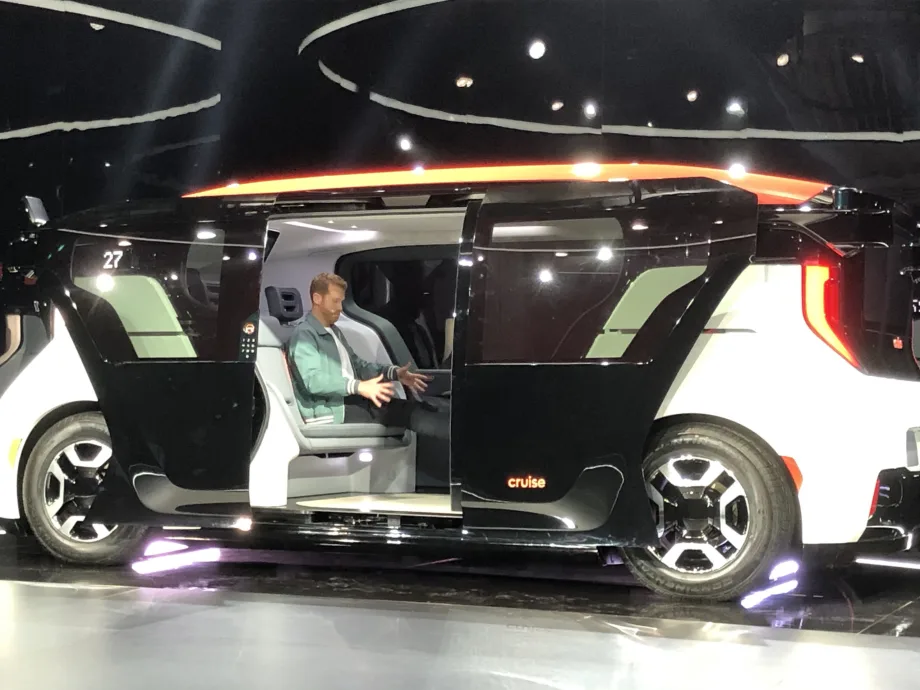
GM Origin
GM
GM and Ford are asking U.S. auto safety regulators to grant exemptions to be able to deploy a limited number of self-driving vehicles without human controls like steering wheels and brake pedals.
GM and its self-driving technology unit, Cruise, petitioned National Highway Traffic Safety Administration (NHTSA) in February for permission to deploy self-driving vehicles without steering wheels, mirrors, turn signals or windshield wipers.
Ford petitioned NHTSA in July 2021, to deploy a self-driving ride hailing and package delivery vehicle early in this decade. The automaker stressed that for its self-driving vehicles "having active driving controls and communications would introduce an unacceptable risk to safety."
NHTSA has published the separate petitions and opened them for public comment for 30 days.
The regulatory body has the authority to grant petitions that allow a limited number of vehicles to operate on U.S. roads without required human controls. The automakers want to deploy up to 2,500 vehicles a year, the maximum allowed under the law, for ride sharing and delivery services. Neither GM nor Ford seek approval to sell self-driving vehicles to consumers.
GM seeks to deploy the Origin, with automated doors and no steering wheels. The automaker stressed the vehicles will require passengers to buckle up before the autonomous ride.
Ford wants to deploy self-driving hybrid-electric vehicles that are "specifically designed and tailored to support mobility services such as ride sharing, ride hailing and package delivery."
According to a Ford spokesperson, the "petition is an important step toward helping create a regulatory path that allows autonomous technologies to mature over time, eliminating controls and displays that are only useful to human drivers."
The NHTSA will carefully examine each petition to keep safety a priority and to ensure access for people with disabilities, equity and the environment.
Originally posted on Auto Dealer Today
More Showroom

New Cars Less Affordable
Buying conditions eroded for American shoppers last month due to inflation and interest rates, though they fared better than a year ago.

October Sales Divided
Inventory trends split between the new- and used-vehicle markets, though prices continued to rise for both in October.

Auto Transaction Prices Hit New Height
October sales of big, pricey models push up the average, even as budget-conscious consumers snag more economical options.

Making the Safe Choice
Kelley Blue Book has turned households with teen drivers onto safe and affordable options for their vehicles of choice

Inventory Holds Steady
September new-vehicle inventory rose slightly month-over-month, but dealer lots are laden with MY2026 vehicles as the typical model year changeover trudges along.

October Auto Sales Fall With the Leaves
A forecast anticipates retail deliveries are down this month as consumers continue to face cost challenges, though more are tapping long loans in order to buy.

California Sees Quarterly Gains
California’s new-vehicle market saw a boost in hybrids in the third quarter and its first overall quarterly market gain of the year.

New-Vehicle Prices Stay Put
Affordability pressures and model availability shaped new-vehicle sales in September, according to an analysis by Kelley Blue Book.

EV Buyer Consideration Shifts
What drives American consumers to purchase an electric vehicle is shifting as the question moves away from Should I?' to 'Which features and experience do I want to have?'

Year-to-Date Auto Sales Holding Their Own
A forecast through August shows that automakers have shifted strategies to keep deliveries and revenues up despite tariffs and other economic challenges.