



GM Invests in New EVs and ICE Parts Distribution
Investments in replacement parts distribution centers follow double-digit increases in aftermarket parts sales.

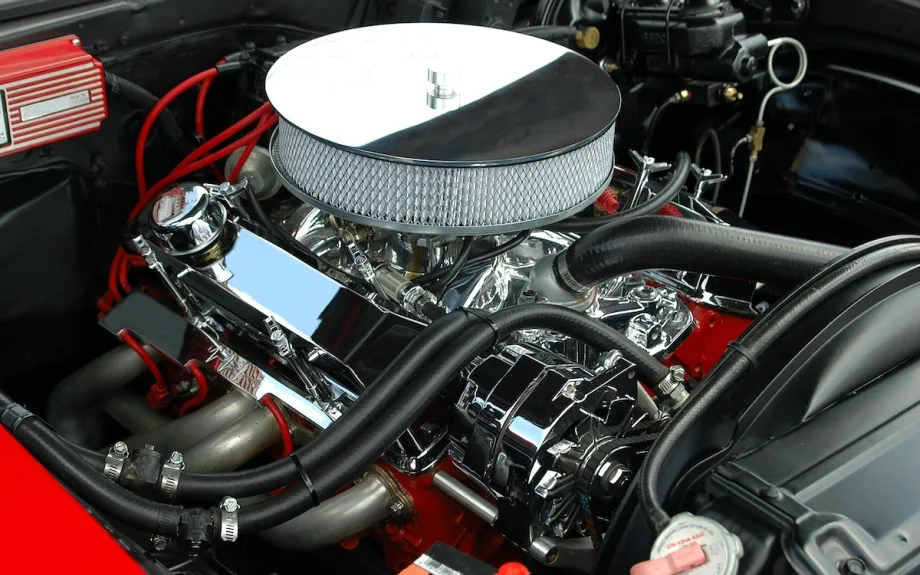
More consumers are repairing their vehicles rather than replacing them, leading to an uptick in aftermarket parts sales.
Hebert Santos
General Motors is rapidly heading toward an electric-vehicle future and witnessing a big increase in EV sales, even after stopping production of the Chevrolet Bolt, its initial electric offering.
The automaker is also investing in distribution centers for replacement parts intended for internal-combustion engines. GM's sales of after-market parts have grown by double digits each year since the start of the Covid pandemic. Now the company is sinking more than $100 million into modernizing its parts processing center in Burton, Mich.
Microchip shortages and supply-chain issues have left many Americans unable to purchase a new vehicle. That had led to robust sales of after-market and GM "original equipment" parts. Many consumers are investing in parts to keep their existing vehicles going.
GM plans to install new automated storage, retrieval and loading systems and a conveyor system to move parts to employee workstations at the Burton facility, which opened in 2019. The facility, the primary distribution site for GM Genuine and ACDelco parts, employs around 1,460 people and ships approximately 15,000 parts orders daily.
GM also invested in technology upgrades in two other major parts centers, in Ypsilanti, Mich., and Memphis, Tenn. Across the globe, the company has 88 parts-distribution facilities, plus 12 regional or function-focused product distribution centers in key markets within the U.S..
GM’s after-market parts business also may grow as people resist EV vehicles. Many Americans remain wary of EVs and have concerns about their cost. As a result, they invest in parts and repairs to keep their ICE-powered vehicles running well as long as possible.
Originally posted on Auto Dealer Today
More Showroom
Inventory Holds Steady
September new-vehicle inventory rose slightly month-over-month, but dealer lots are laden with MY2026 vehicles as the typical model year changeover trudges along.
Read More →
October Auto Sales Fall With the Leaves
A forecast anticipates retail deliveries are down this month as consumers continue to face cost challenges, though more are tapping long loans in order to buy.
Read More →
California Sees Quarterly Gains
California’s new-vehicle market saw a boost in hybrids in the third quarter and its first overall quarterly market gain of the year.
Read More →
New-Vehicle Prices Stay Put
Affordability pressures and model availability shaped new-vehicle sales in September, according to an analysis by Kelley Blue Book.
Read More →
EV Buyer Consideration Shifts
What drives American consumers to purchase an electric vehicle is shifting as the question moves away from Should I?' to 'Which features and experience do I want to have?'
Read More →
Year-to-Date Auto Sales Holding Their Own
A forecast through August shows that automakers have shifted strategies to keep deliveries and revenues up despite tariffs and other economic challenges.
Read More →
Slow to Robo
Ten years of polling consumers shows autonomous vehicles’ profiles have risen considerably, but even more people now want at least some level of control if they go that route.
Read More →
Dealers a Little Down
A third-quarter Cox Automotive survey finds them in a mixed mood, bummed by fallen customer traffic but encouraged by better profits, costs and EV interest.
Read More →
European EV Sales Skyrocket
The EV market on the continent held strong in July with almost 25% of new-car sales being fully electric units, a stark contrast to the U.S., where EV sales declined about 42%.
Read More →
Mitsubishi Unveils U.S. Plan
The automaker announced a strategy that includes an expanded lineup and dealership presence, along with more ‘rugged’ and electric models.
Read More →