



GM Ramps Up EV Production
Automaker eyes an annual production target of a million EVs by 2025.

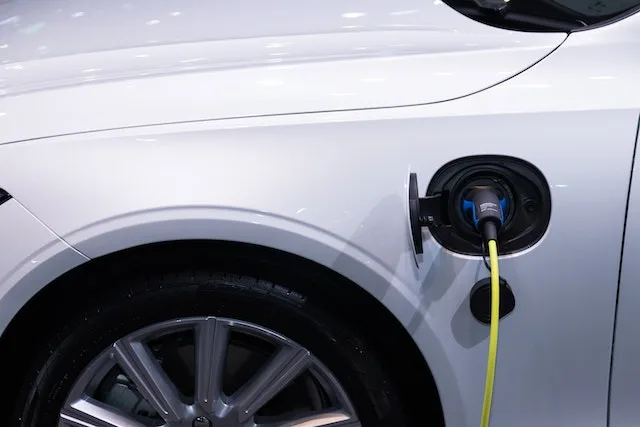
GM plans more models and increased battery output through a joint venture with LG Energy Solutions.
IMAGE: Pexels
General Motors plans to build 400,000 electric vehicles by mid-2024 and achieve an annual production target of a million by 2025.
The automaker plans to accomplish the target by putting several EV nameplates in production, from the affordable Chevrolet Equinox to the luxury Cadillac Escalade IQ, and increasing battery output through a joint venture with LG Energy Solutions.
The opening of GM and LG's second Ultium Cells battery plant in Tennessee this year will give the automaker more battery capacity to help it scale its EV production, Automotive News reported. GM’s first Ultium battery plant is already operating in Ohio.
The production of GM's Ultium-based EVs, which include the Cadillac Lyriq crossover and the GMC Hummer EV pickup and SUV, had a slower start than originally planned. But company executives report output has picked up in recent months, according to Automotive News.
Executives also predict production demands will grow as all four of of GM's U.S. brands have EV launches in the next year as the automaker moves to an all-electric light-duty lineup by 2035, noted Automotive News.
GM CEO Mary Barra said in the company’s second-quarter earnings call that the automaker produced 50,000 EVs in North America during the first half of this year, 80% being the Chevrolet Bolt built on GM's old battery architecture. The company plans to produce 100,000 EVs in the latter half of the year, a larger number of them using GM's newer Ultium battery platform, according to Barra.
Barra also noted on the call that over 2,000 Lyriqs and Hummer EVs reserved by customers were in transit to dealers at the end of June. And CFO Paul Jacobson reported at a J.P. Morgan conference that over 1,000 Lyriqs were delivered to customers in July. He noted it took GM nearly a year to deliver the first 1,000 Lyriqs.
Barra said during the earnings call that a supplier problem with automation equipment hindered assembly of battery modules. The company had to dispatch manufacturing engineering teams and establish manual assembly lines to cope, she noted.
Now plans are under way to increase module capacity at EV plants in Detroit; Spring Hill, Tenn.; and Ramos Arizpe, Mexico, and by mid-2024 in Ingersoll, Ontario, Barra said.
Originally posted on Auto Dealer Today
More Showroom

New Cars Less Affordable
Buying conditions eroded for American shoppers last month due to inflation and interest rates, though they fared better than a year ago.

October Sales Divided
Inventory trends split between the new- and used-vehicle markets, though prices continued to rise for both in October.

Auto Transaction Prices Hit New Height
October sales of big, pricey models push up the average, even as budget-conscious consumers snag more economical options.

Making the Safe Choice
Kelley Blue Book has turned households with teen drivers onto safe and affordable options for their vehicles of choice

Inventory Holds Steady
September new-vehicle inventory rose slightly month-over-month, but dealer lots are laden with MY2026 vehicles as the typical model year changeover trudges along.

October Auto Sales Fall With the Leaves
A forecast anticipates retail deliveries are down this month as consumers continue to face cost challenges, though more are tapping long loans in order to buy.

California Sees Quarterly Gains
California’s new-vehicle market saw a boost in hybrids in the third quarter and its first overall quarterly market gain of the year.

New-Vehicle Prices Stay Put
Affordability pressures and model availability shaped new-vehicle sales in September, according to an analysis by Kelley Blue Book.

EV Buyer Consideration Shifts
What drives American consumers to purchase an electric vehicle is shifting as the question moves away from Should I?' to 'Which features and experience do I want to have?'

Year-to-Date Auto Sales Holding Their Own
A forecast through August shows that automakers have shifted strategies to keep deliveries and revenues up despite tariffs and other economic challenges.