



Honda Adopts Tesla Fast-Charging Tech
All of its North American EV models to use Tesla’s North American Charging Standard by 2025.

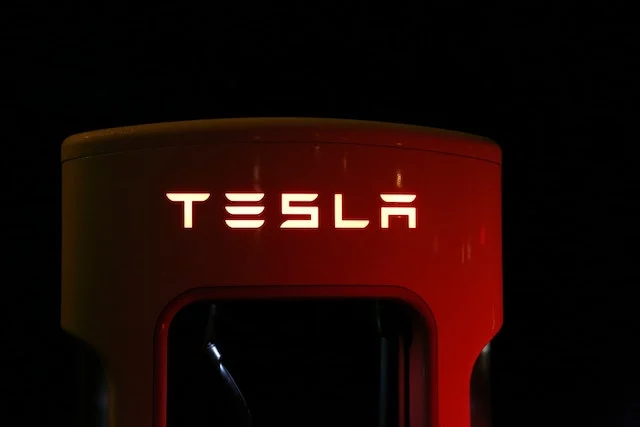
Tesla’s North American Charging Standard (NACS) connector and cord are lighter and easier to handle and charge faster than other charing systems.
IMAGE: Pexels/Pixabay
More automakers are seeing that offering standardized charging technology will address range anxiety by giving motorists access to a larger charging network.
Most recently, Honda Motor Co. joined Ford Motor Co., General Motors Co. and other electric vehicle makers in adopting Tesla Inc.'s charging technology.
Honda plans to adopt Tesla's fast-charging port for EV models that will be available for purchase in North America beginning in 2025.
In June, Ford and General Motors announced comparable deals with Tesla, as did Rivian Automotive Inc., a producer of electric trucks.
According to analysts, Tesla’s North American Charging Standard (NACS) connector and cord are lighter and easier to handle than the Combined Charging System (CCS) currently used by other automakers.
Tesla also operates about 17,000 Supercharger stations across the U.S. Though in total there are around 54,000 public charging stations in the U.S., the Department of Energy reports most other stations charge vehicles more slowly than Tesla’s Supercharger stations.
According to experts, the shift to Tesla charging tech could increase revenue and give Tesla, which already sells more EVs in the U.S. than any other automaker, a huge competitive advantage
The White House declared earlier this year that by the end of 2024 at least 7,500 chargers from Tesla's Supercharger and Destination Charger network would be available to non-Tesla electric vehicles. According to The Detroit News, the move toward commitment has been slow thus far.
Originally posted on Auto Dealer Today
More Showroom
California Sees Quarterly Gains
California’s new-vehicle market saw a boost in hybrids in the third quarter and its first overall quarterly market gain of the year.
Read More →
New-Vehicle Prices Stay Put
Affordability pressures and model availability shaped new-vehicle sales in September, according to an analysis by Kelley Blue Book.
Read More →
EV Buyer Consideration Shifts
What drives American consumers to purchase an electric vehicle is shifting as the question moves away from Should I?' to 'Which features and experience do I want to have?'
Read More →
Year-to-Date Auto Sales Holding Their Own
A forecast through August shows that automakers have shifted strategies to keep deliveries and revenues up despite tariffs and other economic challenges.
Read More →
Slow to Robo
Ten years of polling consumers shows autonomous vehicles’ profiles have risen considerably, but even more people now want at least some level of control if they go that route.
Read More →
Dealers a Little Down
A third-quarter Cox Automotive survey finds them in a mixed mood, bummed by fallen customer traffic but encouraged by better profits, costs and EV interest.
Read More →
European EV Sales Skyrocket
The EV market on the continent held strong in July with almost 25% of new-car sales being fully electric units, a stark contrast to the U.S., where EV sales declined about 42%.
Read More →
Mitsubishi Unveils U.S. Plan
The automaker announced a strategy that includes an expanded lineup and dealership presence, along with more ‘rugged’ and electric models.
Read More →
Used Lots Getting the Business
Many consumers are seeking out the units to save money, and the demand – higher in July than normal – is keeping supply limited and prices up.
Read More →
Used Market Stabilizes
The Carfax Used Car Index noted a major drop in used-vehicle price increases in July after several months of hikes.
Read More →