



Honda Outshines Other Midsizes on Rear-Seat Safety
IIHS test shows Accord offers ‘stellar’ protection while others fare acceptable to poor.


The Honda Accord got a good rating by demonstrating it provides “stellar” back-seat protection, preventing excessive risk of injury to a back-seat occupant.
IMAGE: Honda
Most midsize cars recently tested for rear-seat safety failed to impress as Honda’s Accord drew a “rare” good rating.
The Insurance Institute for Highway Safety tested seven 2023 models in a newly designed front-crash scenario designed to examine rear-seat safety.
The next best performer was the Subaru Outback, which testers gave an acceptable rating.
Rounding out the test subjects were the Nissan Altima and Toyota Camry, which rated marginal, and the Hyundai Sonata, Kia K5 and Volkswagen Jetta, all of which got poor ratings.
“In most of the midsize cars we tested, the rear dummy slid forward, or ‘submarined,’ beneath the lap belt, causing it to ride up from the pelvis onto the abdomen and increasing the risk of internal injuries,” IIHS President David Harkey said in a press release on the results.
“In the three poor-rated vehicles, measurements taken from the rear dummy also indicated likely injuries to the head or neck as well as to the chest.”
IIHS updated the test last year in response to evidence that risk of fatal injuries has increased in newer vehicles for belted rear occupants versus front-seat occupants because front seats now have improved airbags and seat belts uncommon in the back. It emphasizes that the back seat is still the safest for young children because they can get hurt by an inflated front airbag.
The Honda Accord got a good rating by demonstrating it provides “stellar” back-seat protection, preventing excessive risk of injury to a back-seat occupant.
IIHS said all tested vehicles provided good front-seat protection, though the Accord did show a slightly higher risk of right-leg or foot driver injury.
DIG DEEPER: Consumers Favor Automated Safety Over Self-Driving Tech
Originally posted on Auto Dealer Today
More Showroom
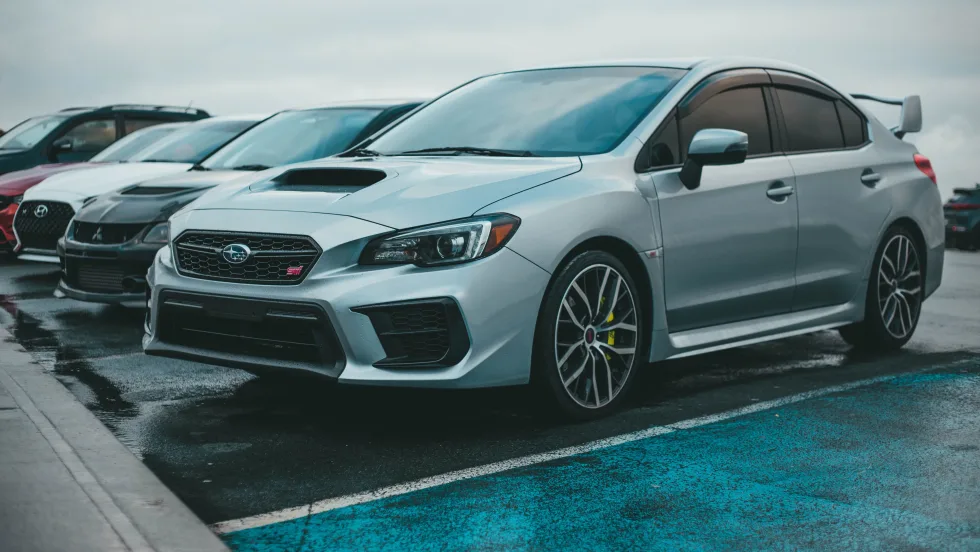
New-Vehicle Prices Stay Put
Affordability pressures and model availability shaped new-vehicle sales in September, according to an analysis by Kelley Blue Book.
Read More →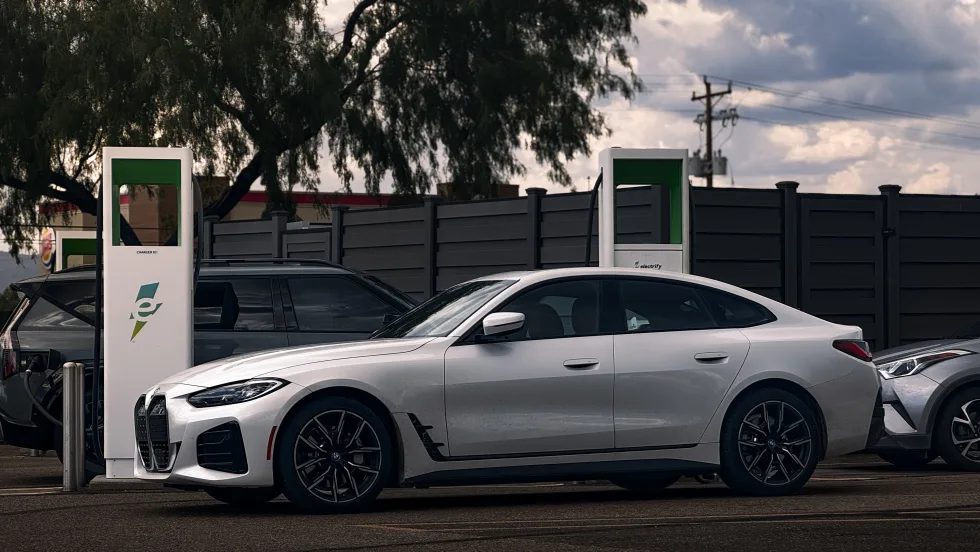
EV Buyer Consideration Shifts
What drives American consumers to purchase an electric vehicle is shifting as the question moves away from Should I?' to 'Which features and experience do I want to have?'
Read More →
Year-to-Date Auto Sales Holding Their Own
A forecast through August shows that automakers have shifted strategies to keep deliveries and revenues up despite tariffs and other economic challenges.
Read More →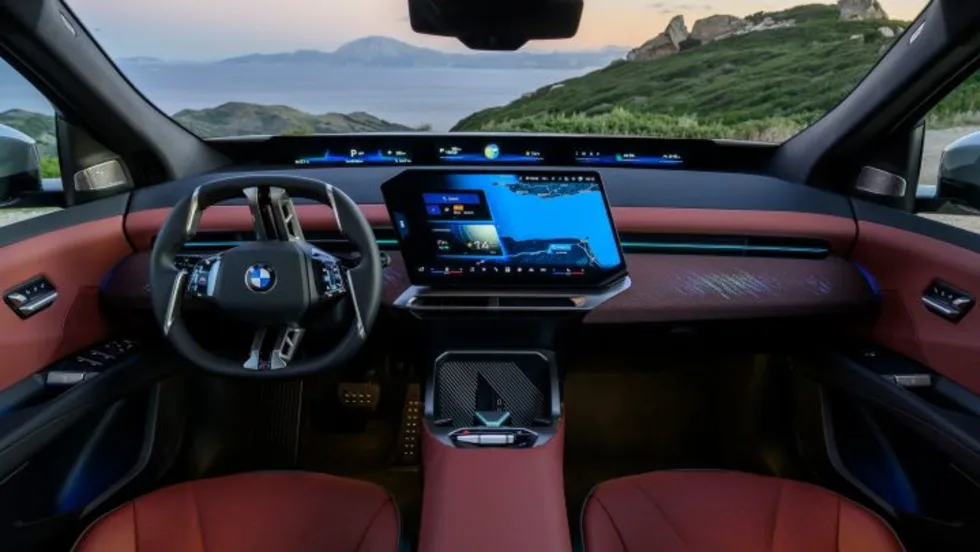
Slow to Robo
Ten years of polling consumers shows autonomous vehicles’ profiles have risen considerably, but even more people now want at least some level of control if they go that route.
Read More →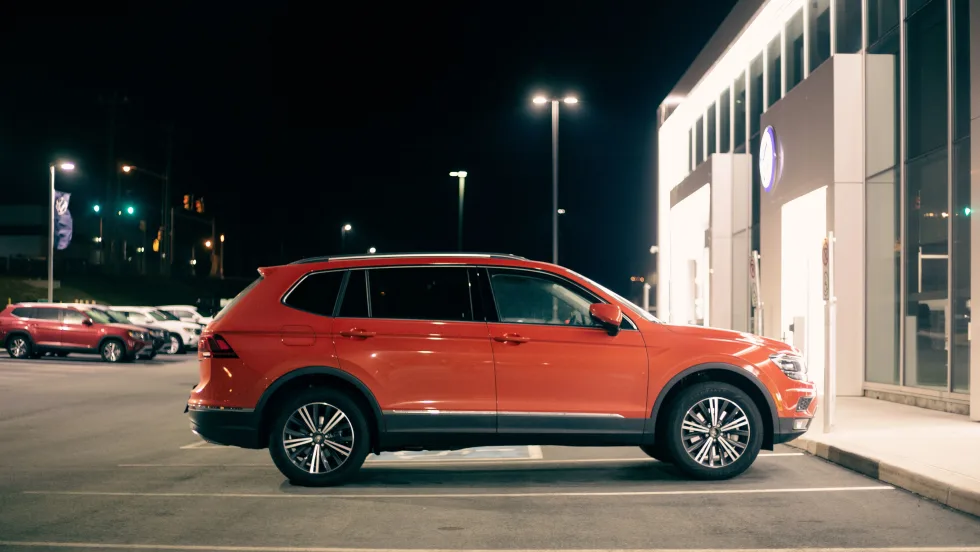
Dealers a Little Down
A third-quarter Cox Automotive survey finds them in a mixed mood, bummed by fallen customer traffic but encouraged by better profits, costs and EV interest.
Read More →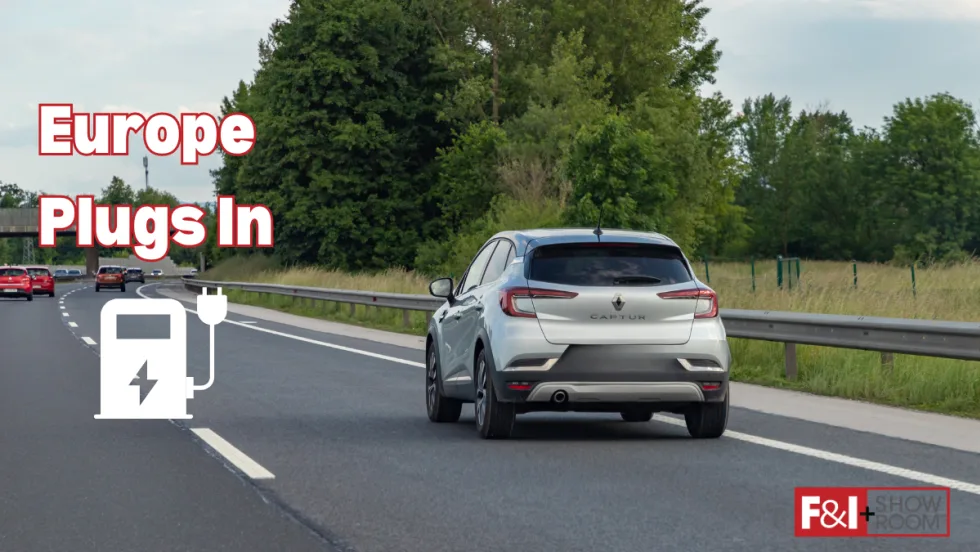
European EV Sales Skyrocket
The EV market on the continent held strong in July with almost 25% of new-car sales being fully electric units, a stark contrast to the U.S., where EV sales declined about 42%.
Read More →
Mitsubishi Unveils U.S. Plan
The automaker announced a strategy that includes an expanded lineup and dealership presence, along with more ‘rugged’ and electric models.
Read More →
Used Lots Getting the Business
Many consumers are seeking out the units to save money, and the demand – higher in July than normal – is keeping supply limited and prices up.
Read More →
Used Market Stabilizes
The Carfax Used Car Index noted a major drop in used-vehicle price increases in July after several months of hikes.
Read More →
California Hybrids Reach State Record
The Golden State still leads the country in electric-vehicle registrations, but much like the rest of the U.S. its hybrid market share is up while full electrics stabilize after a dramatic first-quarter dip.
Read More →