



Honda Wants to Quell Queasy Stomachs
Says tech it developed smooths out EVs’ roughness.


Honda’s technology in part makes acceleration more linear like that in internal-combustion-engine vehicles.
IMAGE: Pixabay/Explore_More_UK
Honda is developing technology aimed at reducing motion sickness in electric vehicles, Car magazine reported.
The publication said Honda’s work involves acceleration-mapping software that it’s introduced in the e:Ny1 compact sports utility vehicle and will include in its electric sports cars.
The report said Honda points to motion sickness as a problem in EVs.
Car magazine said it tested the technology’s effect in the e:Ny1 and experienced no motion sickness. It said the software reigns in the vehicle at up to 10 miles per hour but is unsure if that’s what did the trick or the fact that the model has just 201 brake horsepower and a 0-to-62-mph time of 7.6 seconds.
The report said Honda’s technology in part makes acceleration more linear like that in internal-combustion-engine vehicles. It quoted a Honda technical consultant as saying that motion sickness results from an EV “moving in a way you were not expected it to.”
The consultant further explained that motion sickness follows EVs’ high torque at low speeds that produces roughness when moving to higher speeds, a roughness that must be smoothed out to avoid nausea.
Honda says the software doesn’t affect performance.
Originally posted on Auto Dealer Today
More Showroom
New-Vehicle Prices Stay Put
Affordability pressures and model availability shaped new-vehicle sales in September, according to an analysis by Kelley Blue Book.
Read More →
EV Buyer Consideration Shifts
What drives American consumers to purchase an electric vehicle is shifting as the question moves away from Should I?' to 'Which features and experience do I want to have?'
Read More →
Year-to-Date Auto Sales Holding Their Own
A forecast through August shows that automakers have shifted strategies to keep deliveries and revenues up despite tariffs and other economic challenges.
Read More →
Slow to Robo
Ten years of polling consumers shows autonomous vehicles’ profiles have risen considerably, but even more people now want at least some level of control if they go that route.
Read More →
Dealers a Little Down
A third-quarter Cox Automotive survey finds them in a mixed mood, bummed by fallen customer traffic but encouraged by better profits, costs and EV interest.
Read More →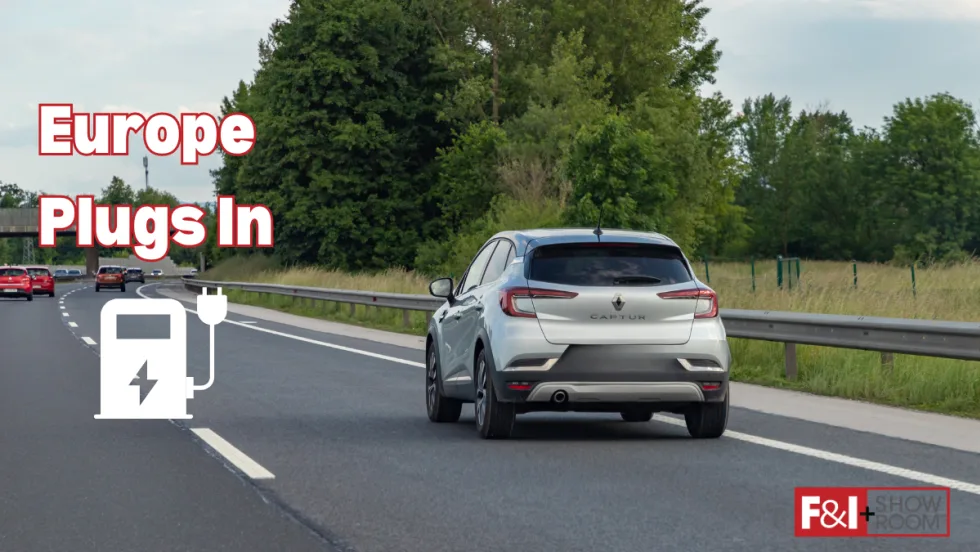
European EV Sales Skyrocket
The EV market on the continent held strong in July with almost 25% of new-car sales being fully electric units, a stark contrast to the U.S., where EV sales declined about 42%.
Read More →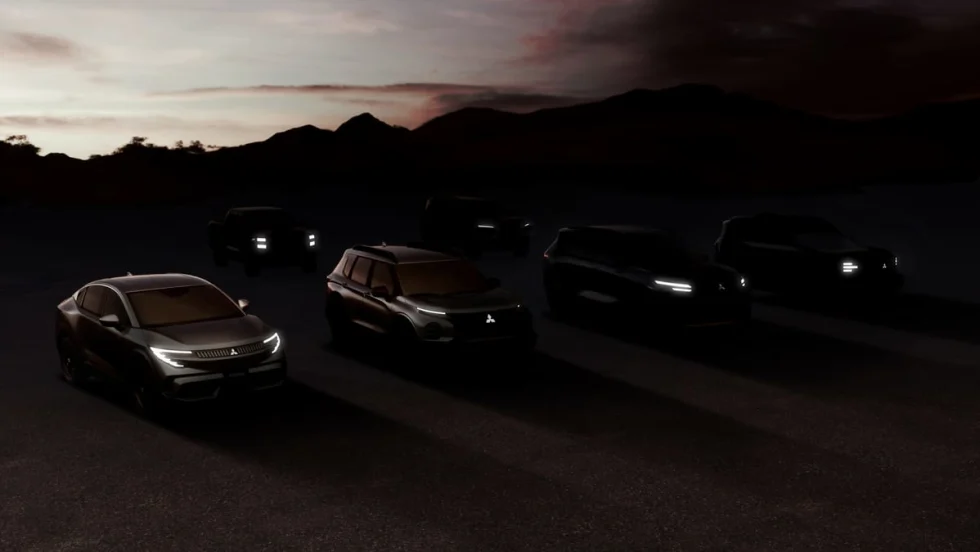
Mitsubishi Unveils U.S. Plan
The automaker announced a strategy that includes an expanded lineup and dealership presence, along with more ‘rugged’ and electric models.
Read More →
Used Lots Getting the Business
Many consumers are seeking out the units to save money, and the demand – higher in July than normal – is keeping supply limited and prices up.
Read More →
Used Market Stabilizes
The Carfax Used Car Index noted a major drop in used-vehicle price increases in July after several months of hikes.
Read More →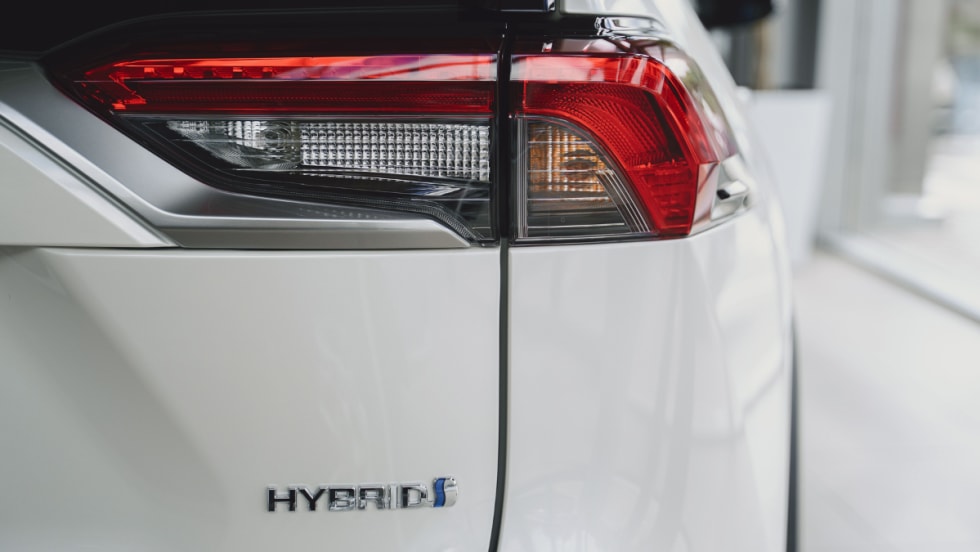
California Hybrids Reach State Record
The Golden State still leads the country in electric-vehicle registrations, but much like the rest of the U.S. its hybrid market share is up while full electrics stabilize after a dramatic first-quarter dip.
Read More →