



How Automakers and Dealers are Weathering a Topsy Turvey Market
BMW is faring better than GM, and car dealers are coping better than component suppliers.


BMW released a positive forecast for 2021 based on “continuing positive pricing effects for both new and preowned vehicles will overcompensate” for falling car sales.
Creative Commons
Months ago, the industry focus was on unprecedented demand, higher than ever prices, and record sales. Today, the picture looks bleaker.
The automotive industry saw its luck turn in Quarter 3 when light vehicles, sold in the U.S. at a seasonally adjusted annualized rate of just 12.2 million in September—the lowest in over a decade, with the exception of spring 2020.
The semiconductor chip shortage hampered vehicle production and deliveries to dealers in the spring. But at that time, ample inventories remained. Now dealers have few vehicles to sell except those vehicles manufactured with remaining chip supplies.
Prices skyrocketed as supply tightened. J.D. Power reports U.S. consumers paid an average of $42,368 for new vehicles in September, up 17% from September 2020. Production constraints also force car makers to prioritize higher-margin vehicles, like pickup trucks, which improves the sales margins.
BMW recently updated its profit forecast for 2021. They based the forecast on a belief that “continuing positive pricing effects for both new and preowned vehicles will overcompensate” for falling car sales. Skyrocketing pre-owned vehicle prices—which hit a new high in September—also feed into the returns automakers earn in their big leasing operations.
General Motors didn’t share BMW’s enthusiasm. The automaker expects a weak third-quarter profit. The chip shortage isn’t totally to blame. Profits took a hit with the automaker’s expansion of the Bolt electric vehicle recall. After 90 years as the top selling automaker in the U.S., GM’s market share fell to just 13.1% in the third quarter.
Smaller players reaped the benefits of a challenging market. Hyundai and its affiliate Kia reported a record 10.8% U.S. market share in the third quarter.
U.S. dealers are still thriving. J.D. Power estimates state that, as a whole, dealerships made $4.2 billion in profit from new-vehicle sales in September—a record for the month despite the inventory shortage.
Originally posted on Auto Dealer Today
More Showroom
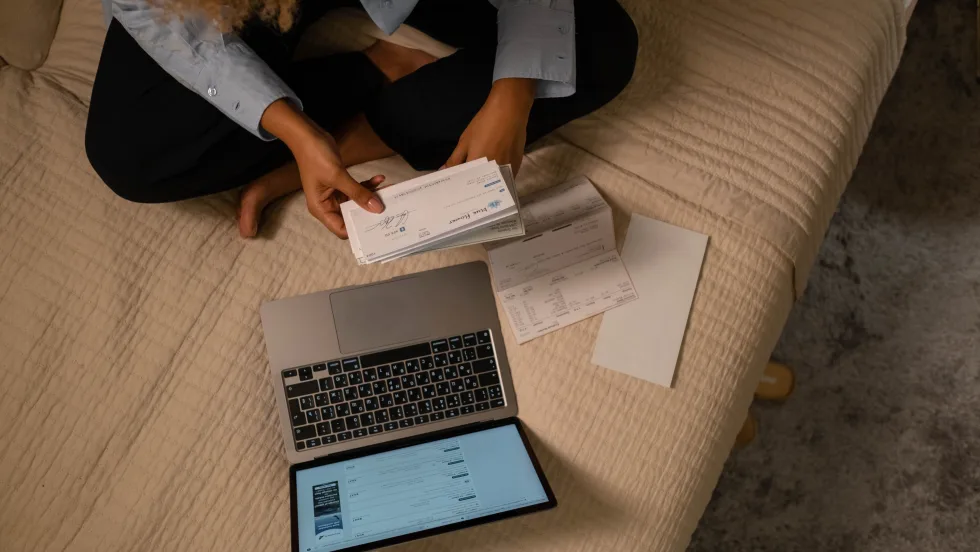
New Cars Less Affordable
Buying conditions eroded for American shoppers last month due to inflation and interest rates, though they fared better than a year ago.
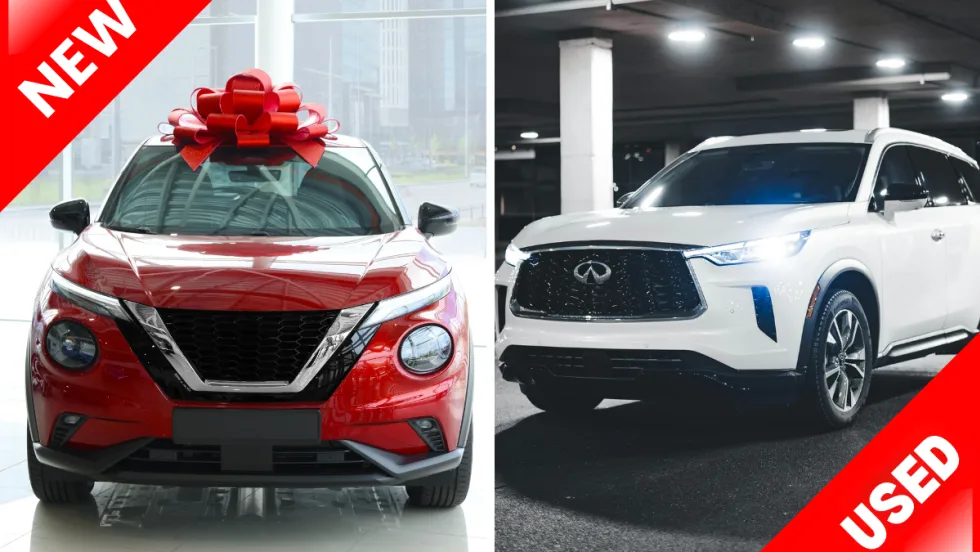
October Sales Divided
Inventory trends split between the new- and used-vehicle markets, though prices continued to rise for both in October.
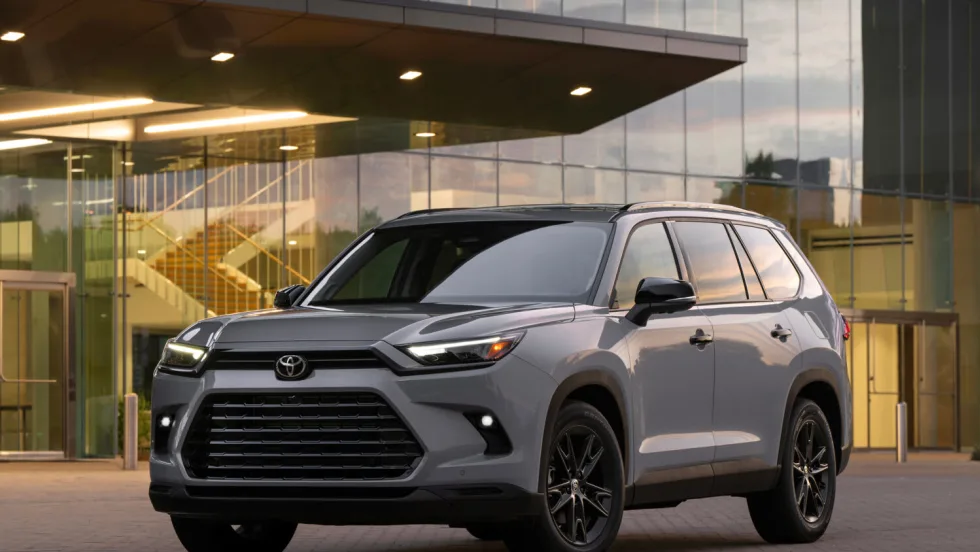
Auto Transaction Prices Hit New Height
October sales of big, pricey models push up the average, even as budget-conscious consumers snag more economical options.

Making the Safe Choice
Kelley Blue Book has turned households with teen drivers onto safe and affordable options for their vehicles of choice
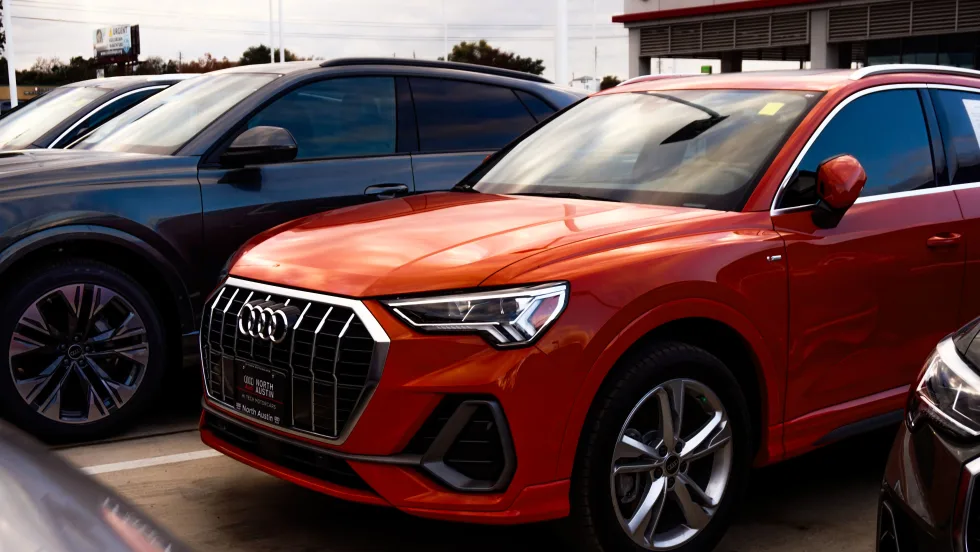
Inventory Holds Steady
September new-vehicle inventory rose slightly month-over-month, but dealer lots are laden with MY2026 vehicles as the typical model year changeover trudges along.

October Auto Sales Fall With the Leaves
A forecast anticipates retail deliveries are down this month as consumers continue to face cost challenges, though more are tapping long loans in order to buy.
California Sees Quarterly Gains
California’s new-vehicle market saw a boost in hybrids in the third quarter and its first overall quarterly market gain of the year.

New-Vehicle Prices Stay Put
Affordability pressures and model availability shaped new-vehicle sales in September, according to an analysis by Kelley Blue Book.

EV Buyer Consideration Shifts
What drives American consumers to purchase an electric vehicle is shifting as the question moves away from Should I?' to 'Which features and experience do I want to have?'

Year-to-Date Auto Sales Holding Their Own
A forecast through August shows that automakers have shifted strategies to keep deliveries and revenues up despite tariffs and other economic challenges.