



How Dealers Can Influence EV Sales
Dealers can boost electric vehicle sales when they take an educational stance with consumers.

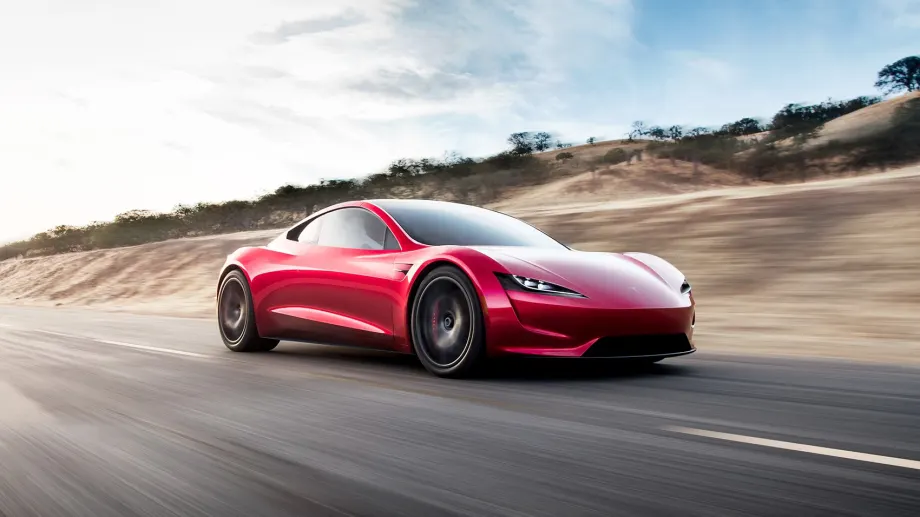
Tesla
Consumer surveys show dealerships play a major role in encouraging electric vehicle sales.
“Dealers have more influence than they think in EV purchase decisions. Dealers can take a lead role in educating consumers about EVs,” says Stephanie Valdez Streaty, Cox Automotive’s director-mobility and R&D, citing her company’s consumer surveys.
Education can include discussions on caring for EVs, battery systems that propel them, charging infrastructure and government tax incentives, according to Streaty.
Environmental advocates maintain dealers downplay EVs to steer customers toward vehicles powered by internal combustion (ICE) engines. The National Automobile Dealers Association (NADA) reports that is untrue. The trade group says dealers will sell any vehicle type to customers and that customer preference guides which vehicle they ultimately sell.
Cox research shows that NADA’s assertion is true, as EVs pivot more from a niche to a mainstream market.
In consumer surveys, “dealers’ knowledge of electrified vehicles (including hybrids) rated high,” Streaty said during an online presentation for the American International Automobile Dealers Association.
Dealerships that took part in the survey say they have invested in EV sales training with targeted messages. Still, Streaty says, helping consumers find all available incentives “is a big opportunity for dealers” and putting EV-specific information on dealer websites also presents an opportunity.
Consumer interest in EVs is growing and automakers, she says, are placing “big bets” on electrified vehicles, referencing $400 billion in commitments to R&D and production to support her claim.
Battery-electric vehicles and hybrids account for 9% of U.S. auto sales. Cox predicts this figure will rise to 35% by 2030.
Consumers, however, remain on the fence. A 2020 consumer survey found customers worry about EV driving range, limited access to charging stations, and high prices when compared to ICE vehicles.
But the charging infrastructure is growing, and more companies are entering the charging business. Streaty says. “There are now 127,000 charging ports and 48,000 charging stations in the U.S.” Range is also less of a worry than in the past. The estimated average EV range was 184 miles in 2019. Today, it’s 272 miles “and growing at a fast rate” as battery technology advances, she says.
People interested in buying an EV also are demographically different from before, according to survey data from Cox Automotive.
When EVs first came on the scene, data showed early adopters skewed toward older white men of means who owned multiple vehicles. Now, people with EVs on their shopping lists are 50% female, 40% nonwhite and 58% Generation Y and Z.
Originally posted on Auto Dealer Today
More Showroom

California Sees Quarterly Gains
California’s new-vehicle market saw a boost in hybrids in the third quarter and its first overall quarterly market gain of the year.
Read More →
New-Vehicle Prices Stay Put
Affordability pressures and model availability shaped new-vehicle sales in September, according to an analysis by Kelley Blue Book.
Read More →
EV Buyer Consideration Shifts
What drives American consumers to purchase an electric vehicle is shifting as the question moves away from Should I?' to 'Which features and experience do I want to have?'
Read More →
Year-to-Date Auto Sales Holding Their Own
A forecast through August shows that automakers have shifted strategies to keep deliveries and revenues up despite tariffs and other economic challenges.
Read More →
Slow to Robo
Ten years of polling consumers shows autonomous vehicles’ profiles have risen considerably, but even more people now want at least some level of control if they go that route.
Read More →
Dealers a Little Down
A third-quarter Cox Automotive survey finds them in a mixed mood, bummed by fallen customer traffic but encouraged by better profits, costs and EV interest.
Read More →
European EV Sales Skyrocket
The EV market on the continent held strong in July with almost 25% of new-car sales being fully electric units, a stark contrast to the U.S., where EV sales declined about 42%.
Read More →
Mitsubishi Unveils U.S. Plan
The automaker announced a strategy that includes an expanded lineup and dealership presence, along with more ‘rugged’ and electric models.
Read More →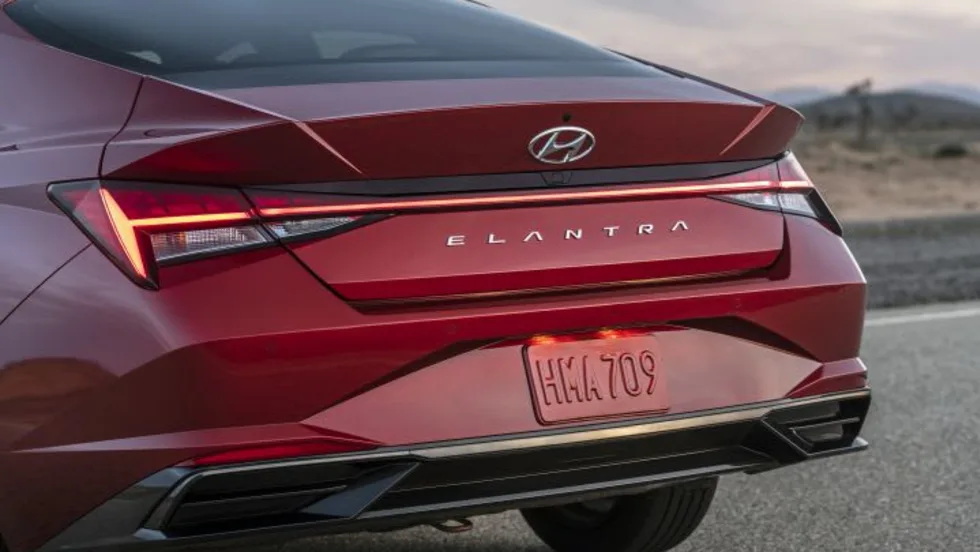
Used Lots Getting the Business
Many consumers are seeking out the units to save money, and the demand – higher in July than normal – is keeping supply limited and prices up.
Read More →
Used Market Stabilizes
The Carfax Used Car Index noted a major drop in used-vehicle price increases in July after several months of hikes.
Read More →