



Hyundai, Kia Settle Over Vehicle Thefts
Class-action payouts to total more than $200M among nine million owners.

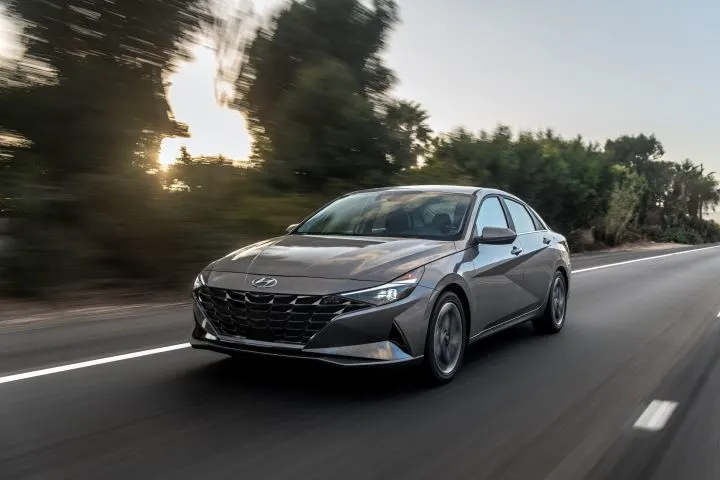
The companies have been under fire for months over a rash of thefts of 2011 to 2022 models that didn’t include antitheft technology as standard equipment.
IMAGE: Hyundai
Hyundai and Kia agreed to settle a class-action lawsuit over claims that lack of antitheft technology in many of its models make them prone to theft.
The South Korean automakers agreed to pay more than $200 million to settle the suit, which would cover some nine million vehicle owners between the two brands.
The companies have been under fire for months over a rash of thefts of 2011 to 2022 models that didn’t include antitheft technology as standard equipment.
Some thieves posted how-to videos on social media instructing others on how to steal the models.
The models in question lacked immobilizers, which prevent them from being started without transmission of a code from a “smart” key, said the law firm that represented the class in the suit, Hagens Berman. The firm said “design flaws” in the models also allow theft in less than 90 seconds.
Multiple major U.S. cities have sued the carmakers over the issue, 18 states sought a recall of the affected models, and about two dozen attorneys general urged the companies to take more action to stem the thefts.
The carmakers expedited a software upgrade for the models, worked with AAA to insure the vehicles, and reimbursed owners for steering wheel locks. But they continued to hear from the various parties that they weren’t doing enough.
The settlement covers payments of up to $6,125 for vehicle loss, and up to $3,375 for damage. Also included are funds to cover transportation costs not covered by insurance, such as taxis and car rentals.
LEARN MORE: States Seek Recall of Theft-Prone Hyundai, Kia Models
Originally posted on Auto Dealer Today
More Showroom
New-Vehicle Prices Stay Put
Affordability pressures and model availability shaped new-vehicle sales in September, according to an analysis by Kelley Blue Book.
Read More →
EV Buyer Consideration Shifts
What drives American consumers to purchase an electric vehicle is shifting as the question moves away from Should I?' to 'Which features and experience do I want to have?'
Read More →
Year-to-Date Auto Sales Holding Their Own
A forecast through August shows that automakers have shifted strategies to keep deliveries and revenues up despite tariffs and other economic challenges.
Read More →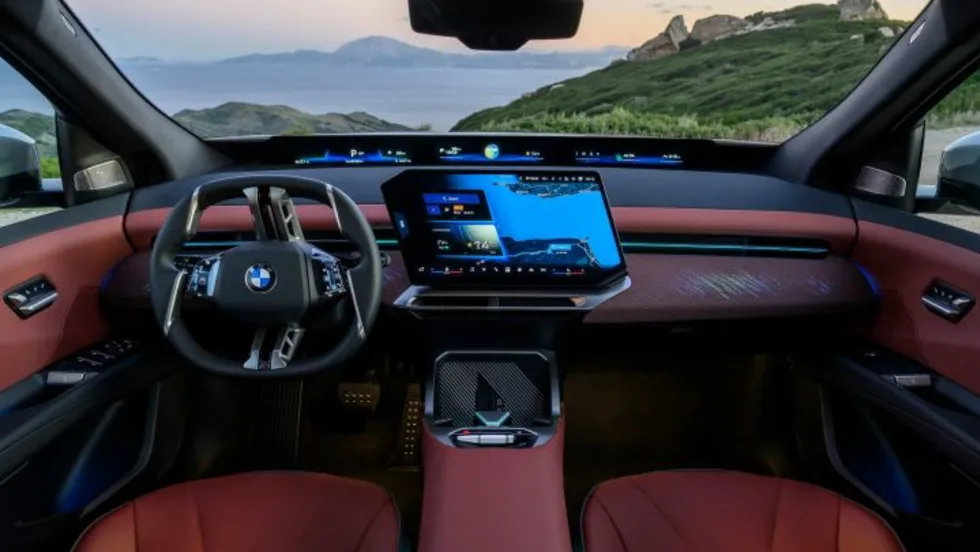
Slow to Robo
Ten years of polling consumers shows autonomous vehicles’ profiles have risen considerably, but even more people now want at least some level of control if they go that route.
Read More →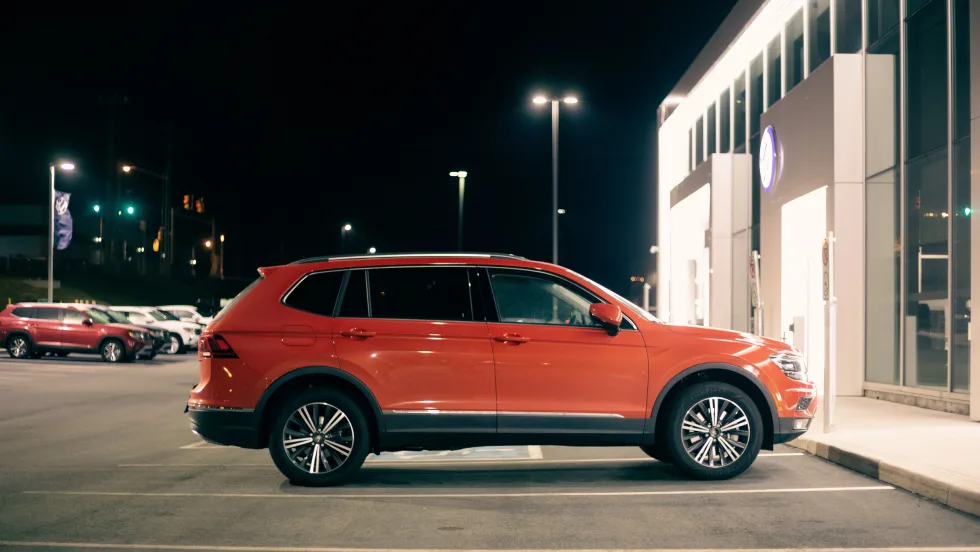
Dealers a Little Down
A third-quarter Cox Automotive survey finds them in a mixed mood, bummed by fallen customer traffic but encouraged by better profits, costs and EV interest.
Read More →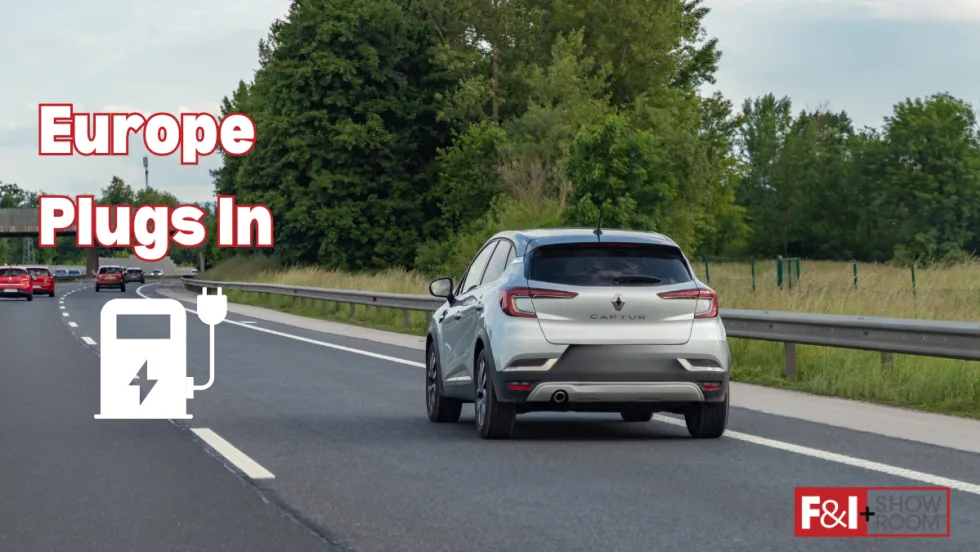
European EV Sales Skyrocket
The EV market on the continent held strong in July with almost 25% of new-car sales being fully electric units, a stark contrast to the U.S., where EV sales declined about 42%.
Read More →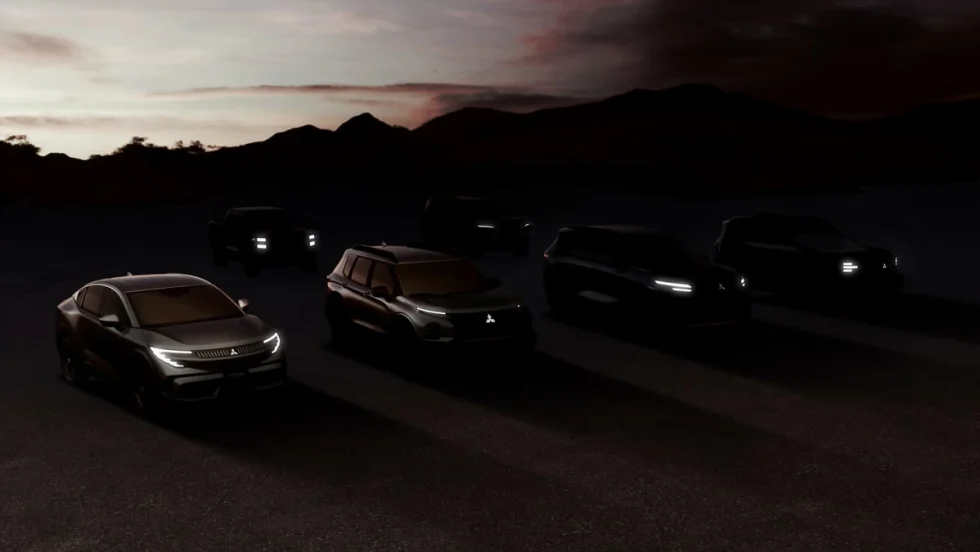
Mitsubishi Unveils U.S. Plan
The automaker announced a strategy that includes an expanded lineup and dealership presence, along with more ‘rugged’ and electric models.
Read More →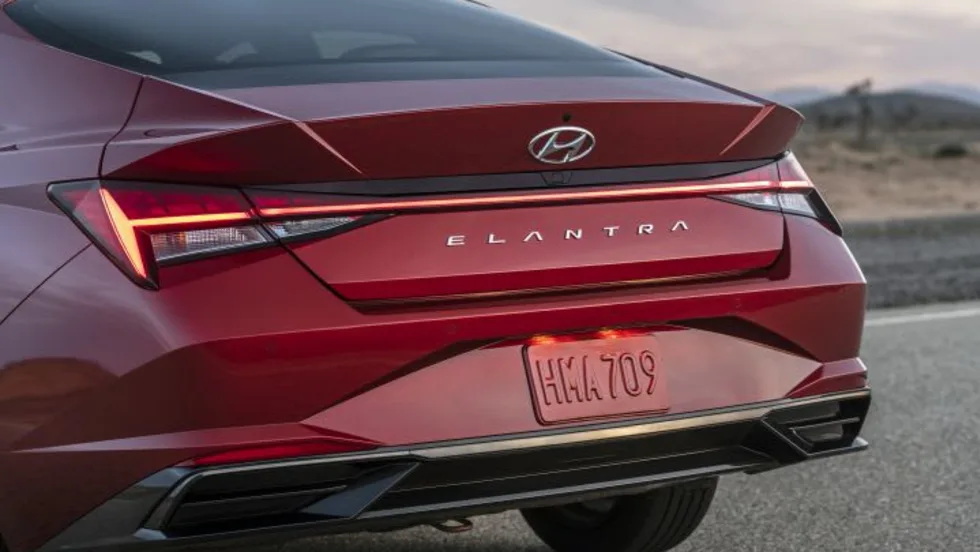
Used Lots Getting the Business
Many consumers are seeking out the units to save money, and the demand – higher in July than normal – is keeping supply limited and prices up.
Read More →
Used Market Stabilizes
The Carfax Used Car Index noted a major drop in used-vehicle price increases in July after several months of hikes.
Read More →
California Hybrids Reach State Record
The Golden State still leads the country in electric-vehicle registrations, but much like the rest of the U.S. its hybrid market share is up while full electrics stabilize after a dramatic first-quarter dip.
Read More →