



IIHS: Cameras, Telematics Could Shed Light on Driver Cell Use
Nonprofit group says additional data could help better assess its role in crashes.

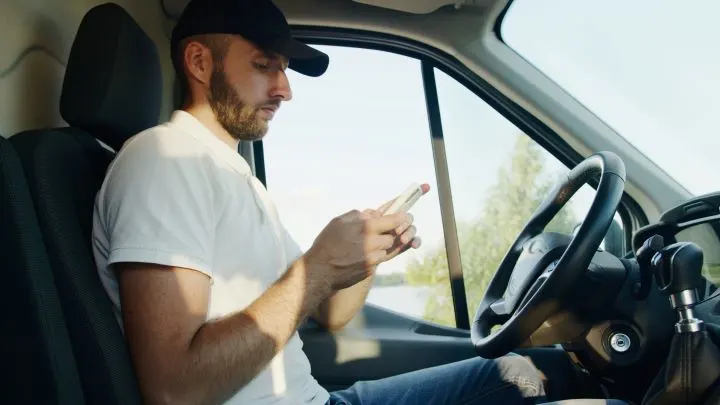
The nonprofit organization points to a local program in Australia started four years ago for monitoring cellphone use via fixed and mobile roadside cameras.
IMAGE: Pexels/Artem Podrez
A report by the Insurance Institute for Highway Safety advocates for employing roadside cameras to assess driver cellphone use on the road and to ultimately enforce laws against the practice.
The nonprofit organization points out that a local program in Australia was started four years ago for monitoring cellphone use via fixed and mobile roadside cameras.
It says that the cameras, combined with vehicle telematics, could better examine driver cellphone use's effects in crashes.
IIHS said analysis of photos the cameras take is nearly as effective as live human monitors stationed at intersections. The group conducts the intersection observations for several weeks each summer.
IIHS President David Harkey said in a press release about two studies on the issue that using new technologies could improve “our understanding of how cellphones affect crash risk.”
Currently in the U.S., studies of driver cellphone use are limited to the annual human monitoring and video of drivers who allow their driving to be recorded by a camera inside their vehicle over a period of time, IIHS says. The latter is limited, it says, and represents too small of a sample to be generalized to all drivers. Actual crashes reveal little more, it says, because drivers who might have been using their phones while in motion tend not to reveal that to police.
The group says cameras could be mounted along freeways, where it’s unsafe to station human monitors.
“Despite some growing pains, many jurisdictions have demonstrated that safety cameras can be an effective tool to reduce speeding and red light running,” Harkey said. “Potentially, they could save additional lives by helping to curb cellphone distraction.”
Meanwhile, safe-driver cellphone applications used by auto insurers to reward drivers for safe-driving habits, offer an even broader collection of phone-use data, IIHS said.
DIG DEEPER: Consumers Favor Automated Safety Over Self-Driving Tech
Originally posted on Auto Dealer Today
More Showroom

New Cars Less Affordable
Buying conditions eroded for American shoppers last month due to inflation and interest rates, though they fared better than a year ago.

October Sales Divided
Inventory trends split between the new- and used-vehicle markets, though prices continued to rise for both in October.

Auto Transaction Prices Hit New Height
October sales of big, pricey models push up the average, even as budget-conscious consumers snag more economical options.

Making the Safe Choice
Kelley Blue Book has turned households with teen drivers onto safe and affordable options for their vehicles of choice

Inventory Holds Steady
September new-vehicle inventory rose slightly month-over-month, but dealer lots are laden with MY2026 vehicles as the typical model year changeover trudges along.

October Auto Sales Fall With the Leaves
A forecast anticipates retail deliveries are down this month as consumers continue to face cost challenges, though more are tapping long loans in order to buy.

California Sees Quarterly Gains
California’s new-vehicle market saw a boost in hybrids in the third quarter and its first overall quarterly market gain of the year.

New-Vehicle Prices Stay Put
Affordability pressures and model availability shaped new-vehicle sales in September, according to an analysis by Kelley Blue Book.

EV Buyer Consideration Shifts
What drives American consumers to purchase an electric vehicle is shifting as the question moves away from Should I?' to 'Which features and experience do I want to have?'

Year-to-Date Auto Sales Holding Their Own
A forecast through August shows that automakers have shifted strategies to keep deliveries and revenues up despite tariffs and other economic challenges.