



Japan Shows Signs of Rebound
Japan's factory output skyrocketed in November, as supply chain bottlenecks eased globally.

youinjapan.net
Japan's factory output skyrocketed in November, as supply chain bottlenecks eased globally. Increased production brightened prospects for a strong fourth-quarter economic rebound.
But persistent global semiconductor shortages and new risks from the Omicron coronavirus variant cast a cloud on improved manufacturing conditions.
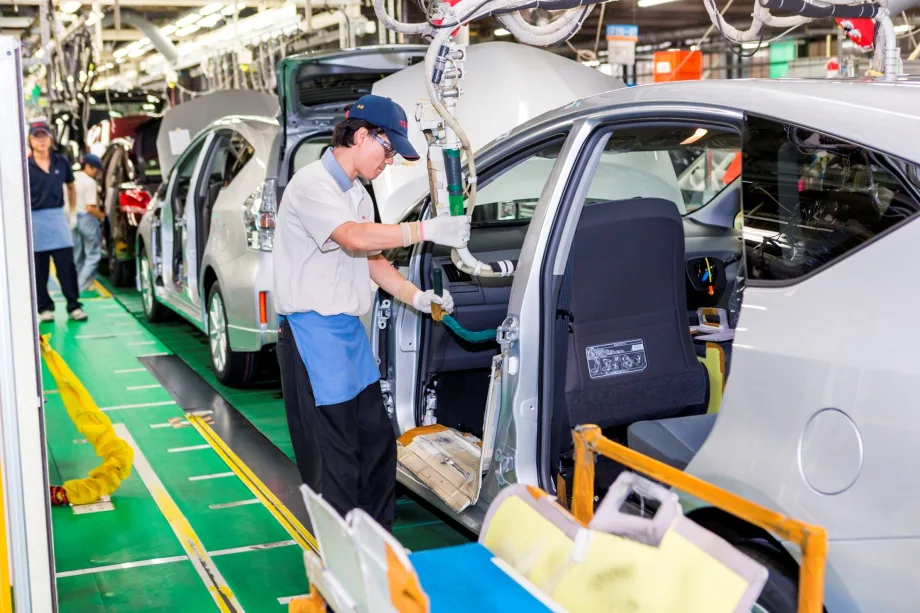
Factory production gained 7.2% in November over October; the largest jump since 2013 when comparable data first became available. Experts attribute the increase to rising motor vehicles and plastic product production.
The November increase followed a 1.8% production increase in October and posted a faster rise than the 4.8% gain expected in a Reuters poll.
Data shows outputs of cars and other motor vehicles surged 43.1% in November, also a record, while plastic products production rose 9.5%.
Despite stronger output, Japanese automakers’ production still gets dragged down by persistent global parts and chip supply issues.
Before Christmas, Toyota Motor Corp announced plans to suspend production at five domestic factories in January due to supply issues and the health crisis.
Analysts also forecast prolonged impacts semiconductor chip shortages as chipmakers focus on producing cutting-edge semiconductors over the less advanced chips favored by vehicle manufacturers.
Manufacturers remain bullish that output will rise 1.6% in December and 5% in January. However, a Ministry of Economy, Trade and Industry (METI) official cautions that these forecasts may be overly optimistic.
Production of durable consumer goods rose 39%, while that of capital goods stayed steady in November.
A Reuters poll showed analysts expect Japan’s economy to grow an annualized 6.1% in the current quarter, rebounding from a third-quarter slump with consumer and corporate activity expected to recover.
The jobless rate rose to 2.8% from 2.7% in October, while an index gauging job availability sat at 1.15, unchanged from October.
Originally posted on Auto Dealer Today
More Showroom
Auto Transaction Prices Hit New Height
October sales of big, pricey models push up the average, even as budget-conscious consumers snag more economical options.
Read More →
Making the Safe Choice
Kelley Blue Book has turned households with teen drivers onto safe and affordable options for their vehicles of choice
Read More →
Inventory Holds Steady
September new-vehicle inventory rose slightly month-over-month, but dealer lots are laden with MY2026 vehicles as the typical model year changeover trudges along.
Read More →
October Auto Sales Fall With the Leaves
A forecast anticipates retail deliveries are down this month as consumers continue to face cost challenges, though more are tapping long loans in order to buy.
Read More →
California Sees Quarterly Gains
California’s new-vehicle market saw a boost in hybrids in the third quarter and its first overall quarterly market gain of the year.
Read More →
New-Vehicle Prices Stay Put
Affordability pressures and model availability shaped new-vehicle sales in September, according to an analysis by Kelley Blue Book.
Read More →
EV Buyer Consideration Shifts
What drives American consumers to purchase an electric vehicle is shifting as the question moves away from Should I?' to 'Which features and experience do I want to have?'
Read More →
Year-to-Date Auto Sales Holding Their Own
A forecast through August shows that automakers have shifted strategies to keep deliveries and revenues up despite tariffs and other economic challenges.
Read More →
Slow to Robo
Ten years of polling consumers shows autonomous vehicles’ profiles have risen considerably, but even more people now want at least some level of control if they go that route.
Read More →
Dealers a Little Down
A third-quarter Cox Automotive survey finds them in a mixed mood, bummed by fallen customer traffic but encouraged by better profits, costs and EV interest.
Read More →