



Lexus Sales Close Just Shy of Record Set in 2019
Global sales in 2021 were the second-highest annual result for Lexus. The brand’s all-time sales record of 765,330 units came in 2019 before the pandemic.

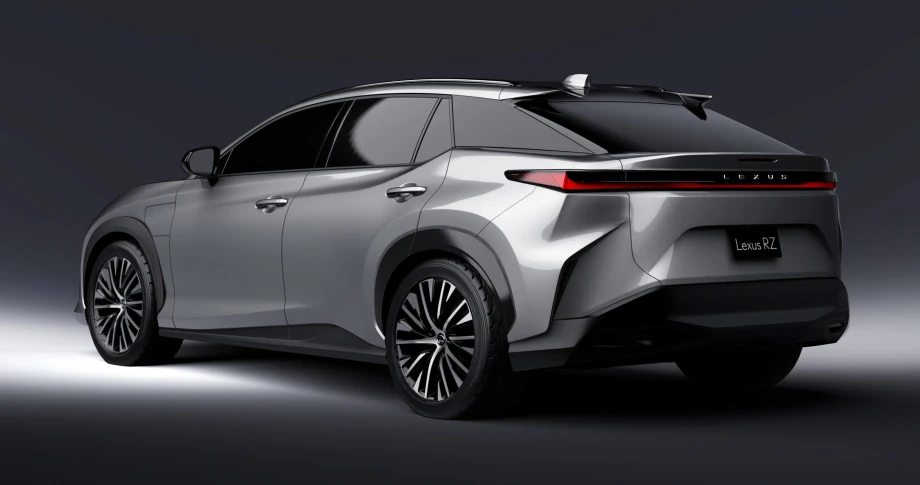
Lexus RZ450e Prototype
Lexus
Globally Lexus’ sales jumped 6% in 2021, falling just shy of record sales.
Global sales in 2021 were the second-highest annual result for Lexus. The brand’s all-time sales record of 765,330 units came in 2019 before the pandemic.
When Toyota Motor Corp.’s delivered 2021 year-end results for its premium brand, company leaders reported overall volume increased to 760,012 vehicles in 2021. North America topped the list for sales, with sales climbing 12% to 332,000 units on robust deliveries of the RX and NX crossovers and ES sedan.
Though sales were up, Lexus finished third in luxury sales, behind BMW at No. 1 and Tesla at No. 2.
In the U.S., Lexus finished third in the luxury sales race, behind No. 1 BMW and runner-up Tesla.
China came in second as Lexus' next largest market. Here sales increased by 1% to 227,000 vehicles. China sales hit record levels for Lexus in the world's biggest auto market.
European sales inched up 2% to 72,000 units.
Meanwhile, Lexus' global electrified sales rose 10% to 260,000 vehicles, a record high. But the brand's only battery electric offering, the UX300e, sold just 5,800 units.
Hybrids and crossovers represented most sales. The Lexus crossover range hit 495,664 vehicles, representing 65% of worldwide volume.
If supply and inventories had not seized up the second half of 2021, Lexus would have hit a new record last year, spokesman Norihiro Tsuji said in a briefing. If supply normalizes in 2022, Lexus hopes to top 2021's results in 2022, he added.
“We utilized inventory in the U.S. fully, with inventory getting lower, there was still leftover demand for Lexus,” Tsuji said. The Lexus brand had just 22 days of inventory as of Jan. 1, down from 23 days in December and down from 29 days on Jan. 1, 2021.
Lexus also released photos of its new previewing the brand's upcoming midsize electric crossover, the RZ450e Prototype.
Lexus announced plans to unveil the production version of the RZ450e this spring. The vehicle is expected to hit showrooms in late 2022 or early 2023.
Lexus reports plans to be an electric-only brand by 2030 in Europe, U.S. and China, and aims to be selling 1 million EVs annually by that time. The brand plans to sell only full-electric cars globally by 2035.
Originally posted on Auto Dealer Today
More Showroom

New Cars Less Affordable
Buying conditions eroded for American shoppers last month due to inflation and interest rates, though they fared better than a year ago.

October Sales Divided
Inventory trends split between the new- and used-vehicle markets, though prices continued to rise for both in October.

Auto Transaction Prices Hit New Height
October sales of big, pricey models push up the average, even as budget-conscious consumers snag more economical options.

Making the Safe Choice
Kelley Blue Book has turned households with teen drivers onto safe and affordable options for their vehicles of choice

Inventory Holds Steady
September new-vehicle inventory rose slightly month-over-month, but dealer lots are laden with MY2026 vehicles as the typical model year changeover trudges along.

October Auto Sales Fall With the Leaves
A forecast anticipates retail deliveries are down this month as consumers continue to face cost challenges, though more are tapping long loans in order to buy.

California Sees Quarterly Gains
California’s new-vehicle market saw a boost in hybrids in the third quarter and its first overall quarterly market gain of the year.

New-Vehicle Prices Stay Put
Affordability pressures and model availability shaped new-vehicle sales in September, according to an analysis by Kelley Blue Book.

EV Buyer Consideration Shifts
What drives American consumers to purchase an electric vehicle is shifting as the question moves away from Should I?' to 'Which features and experience do I want to have?'

Year-to-Date Auto Sales Holding Their Own
A forecast through August shows that automakers have shifted strategies to keep deliveries and revenues up despite tariffs and other economic challenges.