



Many EVs Don’t Live Up to Posted Ranges
Consumer Reports highway testing shows many fall well short of EPA estimates.


Some models actually beat their posted range estimates, the group said, including German brands BMW and Mercedes.
IMAGE: Pexels/Pixabay
Electric vehicles’ posted ranges between charges aren’t always accurate, according to newly released test results by Consumer Reports.
New EVs indicate Environmental Protection Agency range estimates posted on window stickers and on the U.S. Department of Energy’s website. But almost half the 22 models Consumer Reports has tested so far are off the mark, based on research the nonprofit group conducted this past summer.
Range accuracy may not be as important for the shorter trips many EV owners take from day to day, the organization said, but can be crucial on long road trips.
“Range is much more important when you’re far from home and away from reliable charging,” said the group’s manager of auto testing and insights, Alex Knizek, in a report on the test findings.
To gauge range, Consumer Reports drove fully charged EVs on highways at a steady 70 mph, it said, stopping when their batteries were fully out of power. It said almost half of the models failed to reach their posted ranges. The biggest disparity was in the Ford F-150 Lightning pickup, which stopped operating after 270 miles, 50 miles under its posted range.
Some models actually beat their posted range estimates, the group said, including German brands BMW and Mercedes, which exceeded theirs by more than 40 miles.
Consumer Reports said it’s asked the EPA to add a highway-speed range test like its for the agency's range estimations.
For more details, visit Consumer Report's test results page.
Originally posted on Auto Dealer Today
More Showroom
New-Vehicle Prices Stay Put
Affordability pressures and model availability shaped new-vehicle sales in September, according to an analysis by Kelley Blue Book.
Read More →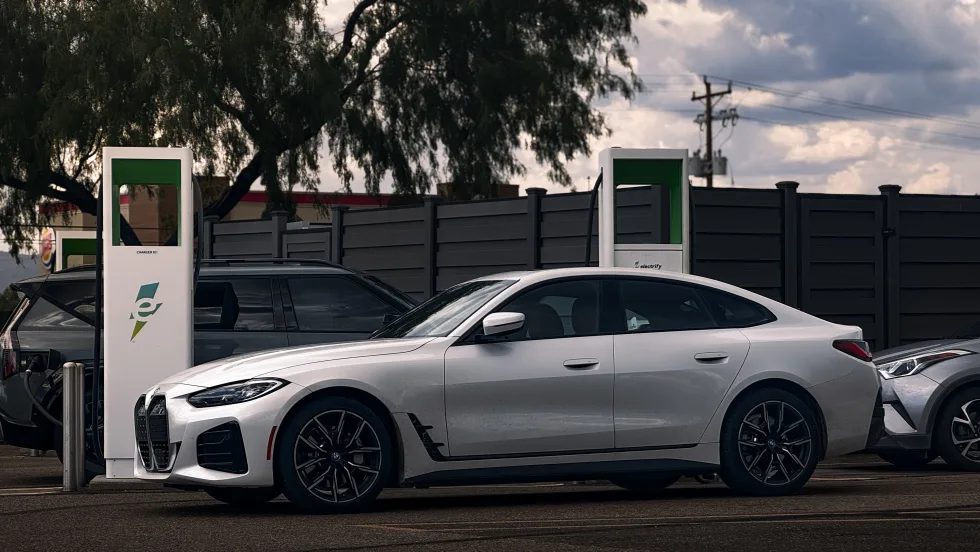
EV Buyer Consideration Shifts
What drives American consumers to purchase an electric vehicle is shifting as the question moves away from Should I?' to 'Which features and experience do I want to have?'
Read More →
Year-to-Date Auto Sales Holding Their Own
A forecast through August shows that automakers have shifted strategies to keep deliveries and revenues up despite tariffs and other economic challenges.
Read More →
Slow to Robo
Ten years of polling consumers shows autonomous vehicles’ profiles have risen considerably, but even more people now want at least some level of control if they go that route.
Read More →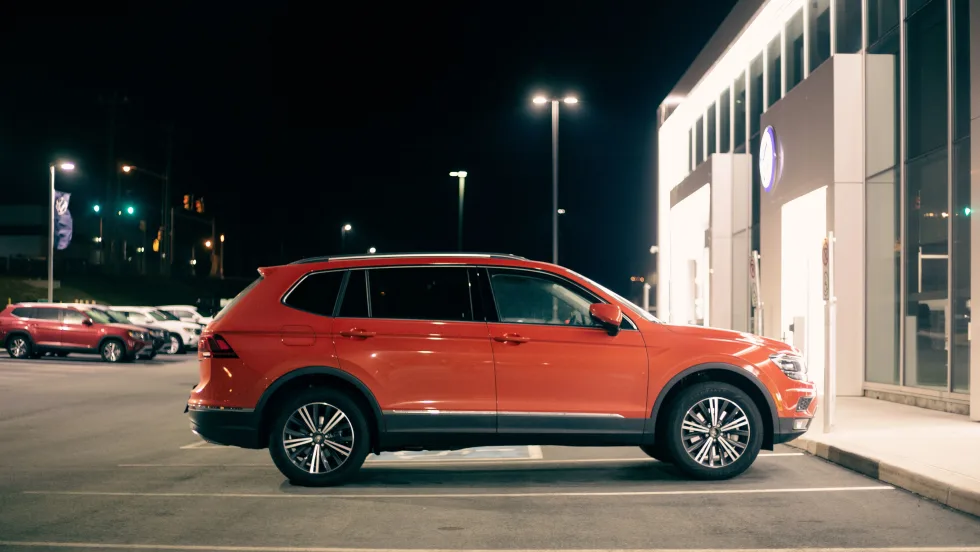
Dealers a Little Down
A third-quarter Cox Automotive survey finds them in a mixed mood, bummed by fallen customer traffic but encouraged by better profits, costs and EV interest.
Read More →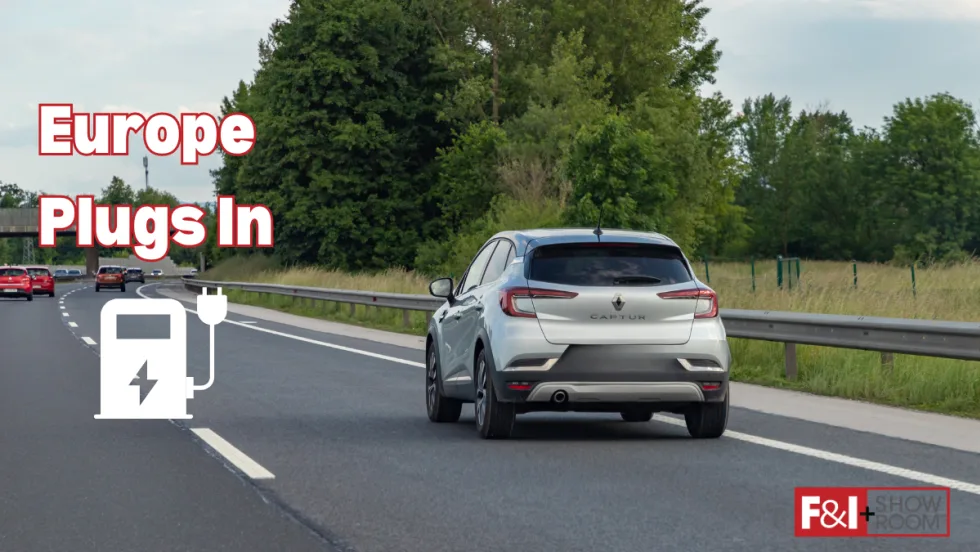
European EV Sales Skyrocket
The EV market on the continent held strong in July with almost 25% of new-car sales being fully electric units, a stark contrast to the U.S., where EV sales declined about 42%.
Read More →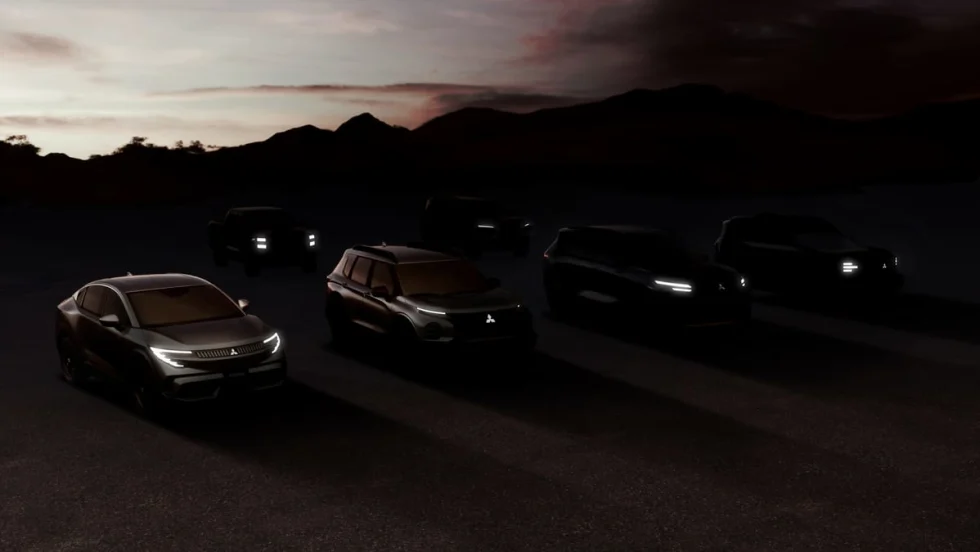
Mitsubishi Unveils U.S. Plan
The automaker announced a strategy that includes an expanded lineup and dealership presence, along with more ‘rugged’ and electric models.
Read More →
Used Lots Getting the Business
Many consumers are seeking out the units to save money, and the demand – higher in July than normal – is keeping supply limited and prices up.
Read More →
Used Market Stabilizes
The Carfax Used Car Index noted a major drop in used-vehicle price increases in July after several months of hikes.
Read More →
California Hybrids Reach State Record
The Golden State still leads the country in electric-vehicle registrations, but much like the rest of the U.S. its hybrid market share is up while full electrics stabilize after a dramatic first-quarter dip.
Read More →