



Mercedes-Benz and Microsoft Enter Partnership
The partnership will allow Mercedes-Benz to connect passenger car plants to the Microsoft Cloud to make vehicle production more efficient, resilient and sustainable.

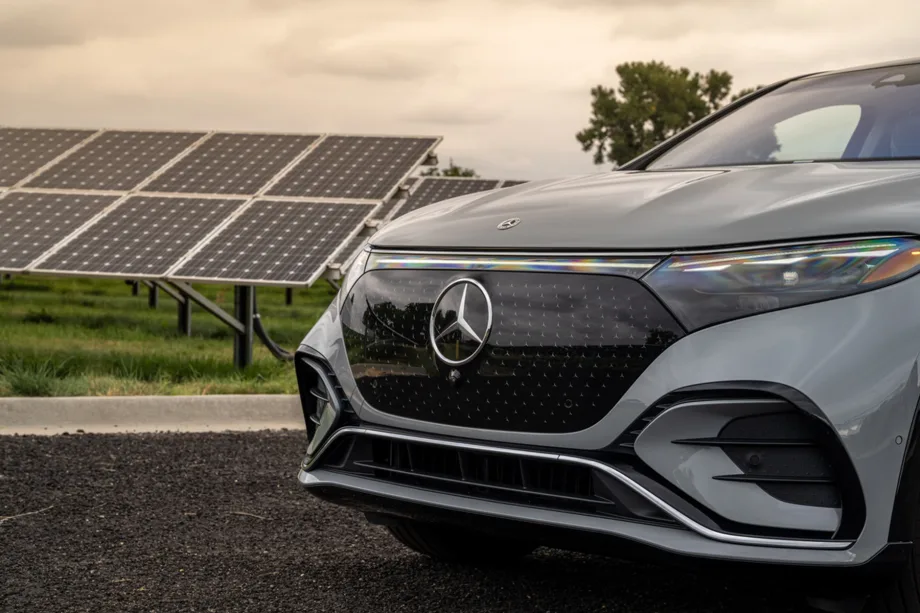
The partnership will allow Mercedes-Benz to connect passenger car plants to the Microsoft Cloud to make vehicle production more efficient, resilient and sustainable.
IMAGE: Mercedes-Benz
Mercedes-Benz AG and Microsoft Corp. have announced plans to collaborate to make vehicle production more efficient, resilient and sustainable.
The new MO360 Data Platform will allow Mercedes-Benz to connect around 30 passenger car plants worldwide to the Microsoft Cloud, enhancing transparency and predictability across the digital production and supply chain.
"This new partnership between Microsoft and Mercedes-Benz will make our global production network more intelligent, sustainable and resilient in an era of geopolitical and macroeconomic challenges. The ability to predict and prevent problems in production and logistics will become a key competitive advantage as we go all electric,” said Joerg Burzer, member of the Board of Management of Mercedes-Benz Group AG, responsible for Production & Supply Chain Management.
The MO360 Data Platform is an evolution of Mercedes-Benz’ digital production ecosystem MO360 and will allow teams to identify potential supply chain bottlenecks faster and enable a dynamic prioritization of production resources toward electric and Top-End vehicles.
The unified data platform is standardized on Microsoft Azure to provide Mercedes-Benz with flexibility and cloud computing power to run artificial intelligence (AI) and analytics at global scale. It will address cybersecurity and compliance standards across regions.
The platform is already available to teams in EMEA and will be deployed in the United States and China.
Originally posted on Auto Dealer Today
More Showroom

California Sees Quarterly Gains
California’s new-vehicle market saw a boost in hybrids in the third quarter and its first overall quarterly market gain of the year.
Read More →
New-Vehicle Prices Stay Put
Affordability pressures and model availability shaped new-vehicle sales in September, according to an analysis by Kelley Blue Book.
Read More →
EV Buyer Consideration Shifts
What drives American consumers to purchase an electric vehicle is shifting as the question moves away from Should I?' to 'Which features and experience do I want to have?'
Read More →
Year-to-Date Auto Sales Holding Their Own
A forecast through August shows that automakers have shifted strategies to keep deliveries and revenues up despite tariffs and other economic challenges.
Read More →
Slow to Robo
Ten years of polling consumers shows autonomous vehicles’ profiles have risen considerably, but even more people now want at least some level of control if they go that route.
Read More →
Dealers a Little Down
A third-quarter Cox Automotive survey finds them in a mixed mood, bummed by fallen customer traffic but encouraged by better profits, costs and EV interest.
Read More →
European EV Sales Skyrocket
The EV market on the continent held strong in July with almost 25% of new-car sales being fully electric units, a stark contrast to the U.S., where EV sales declined about 42%.
Read More →
Mitsubishi Unveils U.S. Plan
The automaker announced a strategy that includes an expanded lineup and dealership presence, along with more ‘rugged’ and electric models.
Read More →
Used Lots Getting the Business
Many consumers are seeking out the units to save money, and the demand – higher in July than normal – is keeping supply limited and prices up.
Read More →
Used Market Stabilizes
The Carfax Used Car Index noted a major drop in used-vehicle price increases in July after several months of hikes.
Read More →