



Mexico Expects US to Comply with Rules in New North American Trade Pact
The countries are at odds over a USMCA requirement that auto manufacturers to meet a 75% threshold for North American content for vehicles to qualify for tariff-free trade within the region.

Wikipedia
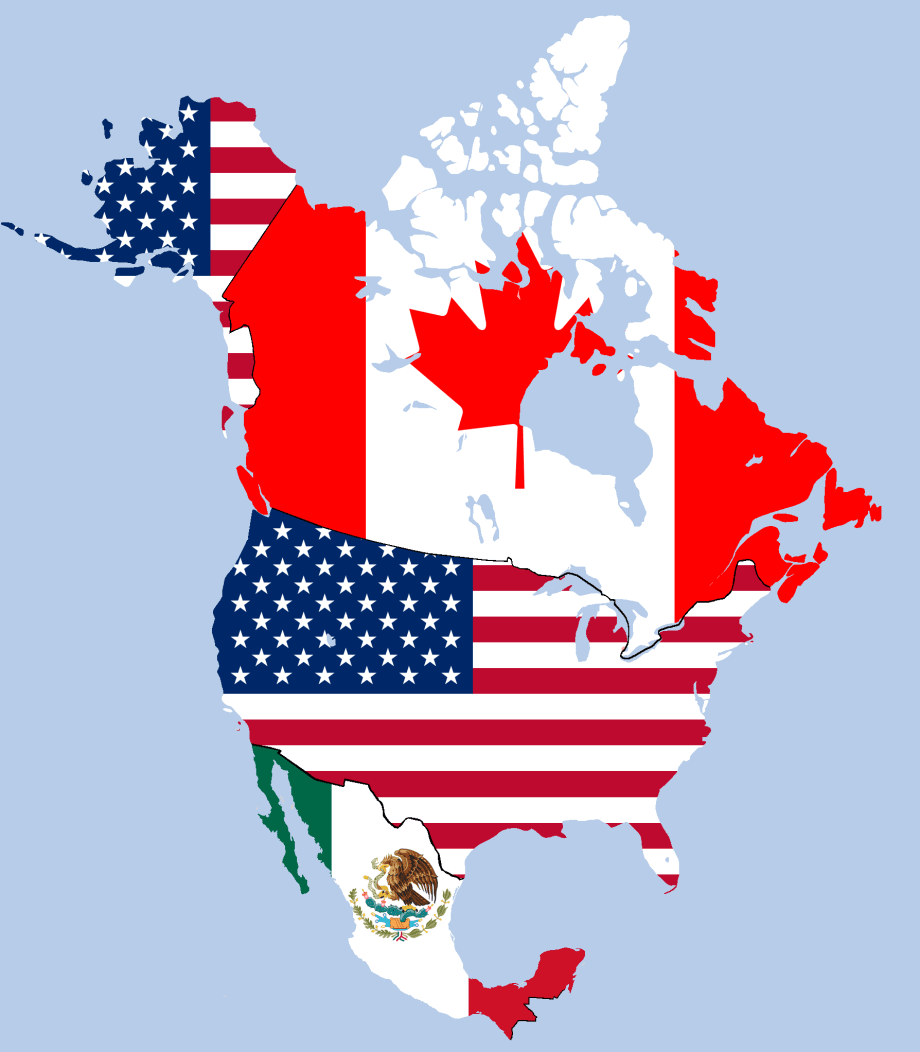
Mexico expects the United States to comply with automotive rules in the new North American trade pact, a senior official said.
The statement clouds the high-level talks between the two countries taking place next week.
Mexico and Canada have been at odds for months with the United States over how to apply regional content requirements for the auto industry. The requirements are a cornerstone of the 2020 United States-Mexico-Canada Agreement (USMCA) trade pact.
The countries favor a flexible interpretation of the rules over the firmer one taken by U.S. officials.
When Reuters asked Deputy Economy Minister Luz Maria de la Mora whether the countries could use a new method to avoid taking the dispute to an international tribunal, he said:
“No, because we’re not renegotiating (USMCA). It’s about honoring what was agreed in the treaty."
She noted that the agreement text made its scope very clear. She noted differences between how the United States and Mexico interpreted the issue began while the Trump Administration remained in office.
USMCA, which replaced the 1994 North American Free Trade Agreement (NAFTA), requires auto manufacturers to meet a 75% threshold for North American content for vehicles to qualify for tariff-free trade within the region. Under NAFTA, the content threshold stood at 62.5%.
U.S. and Mexican diplomats will restart high-level economic dialogue on Sept. 16.
Mexican Economy Minister Tatiana Clouthier will take part in the talks.
Making rules tougher than what USMCA requires risked backfiring on the industry, reducing competitiveness, raising costs and making the region “less attractive for investment and production,” de la Mora said.
Disputes over content requirements fan uncertainty and could benefit suppliers from other parts of the world with laxer rules like South Korea, she said.
Mexico’s President Andres Manuel Lopez Obrador predicted the dispute will not end up before an international tribunal, and expressed optimism that the countries could reach an agreement soon.
Originally posted on Auto Dealer Today
More Showroom

New Cars Less Affordable
Buying conditions eroded for American shoppers last month due to inflation and interest rates, though they fared better than a year ago.

October Sales Divided
Inventory trends split between the new- and used-vehicle markets, though prices continued to rise for both in October.
Auto Transaction Prices Hit New Height
October sales of big, pricey models push up the average, even as budget-conscious consumers snag more economical options.

Making the Safe Choice
Kelley Blue Book has turned households with teen drivers onto safe and affordable options for their vehicles of choice
Inventory Holds Steady
September new-vehicle inventory rose slightly month-over-month, but dealer lots are laden with MY2026 vehicles as the typical model year changeover trudges along.

October Auto Sales Fall With the Leaves
A forecast anticipates retail deliveries are down this month as consumers continue to face cost challenges, though more are tapping long loans in order to buy.

California Sees Quarterly Gains
California’s new-vehicle market saw a boost in hybrids in the third quarter and its first overall quarterly market gain of the year.

New-Vehicle Prices Stay Put
Affordability pressures and model availability shaped new-vehicle sales in September, according to an analysis by Kelley Blue Book.

EV Buyer Consideration Shifts
What drives American consumers to purchase an electric vehicle is shifting as the question moves away from Should I?' to 'Which features and experience do I want to have?'

Year-to-Date Auto Sales Holding Their Own
A forecast through August shows that automakers have shifted strategies to keep deliveries and revenues up despite tariffs and other economic challenges.