



More Big Car Dealers Likely
Would consumers prefer to shop for cars the way they shop for small kitchen appliances at mega-retailers such as Wal-Mart? J.D. Power III
thinks so -- and he believes the shift will happen in 10 to 15 years as restrictive state franchise laws are overhauled, according to the Detroit News.
Auto dealers sharply disagree, however, saying the franchise system works and is here to stay, the News said.
In a commentary published Oct. 28 in the Wall Street Journal, Power argued that car and truck buyers would save money if a wide array
of vehicle makes were sold in a single store. He said the existing franchise system, which among other things bars dealers from freely mixing different brands in one retail space, inflates the cost of a vehicle by about 30 percent.
Power's comments drew a sharp reponse Oct. 29 from the National Automobile Dealers Association (NADA), which refuted Power's statistics -- notably the 30 percent markup -- and his conclusions, according to the News.
"The most recent study found that the estimated cost to consumers of franchise laws on a nationwide basis is 1.7 percent" of the vehicle's cost, NADA Chairman Alan Starling said in a prepared statement. "That's a small price to pay to support a dealer network that competes daily for product, price and service at conveniently located dealerships in every community."
Starling said most car buyers are not dissatisfied -- and those who are usually grouse about defects or problems with the vehicle.
Chris Denove, a partner at J.D. Power, said Oct. 29 that Power was trying to open a debate about new ways to sell cars that might boost customer satisfaction. "He's endorsing greater freedom for dealers," Denove said, according to the News.
According to Consumer Reports magazine's polls of subscribers who have bought cars, two-thirds are satisfied with their dealers, and one-quarter are very satisfied. Only 2 percent are very dissatisfied, said David Champion, Consumer Reports' director of auto
testing.
More F&I

Just Do It
F&I managers need training, but instead of resisting application or expecting perfection, they should improve by simply acting on what they learn.
Read More →
Dealer Lender Preferences Revealed
When lenders provide consistent, fast service, their overall satisfaction scores with dealers greatly improve, according to JD Power research.
Read More →
Leading with Purpose
In this video, Trent White explains how understanding your people’s 'why' is a key leadership responsibility of F&I professionals and how that mindset drives dealership engagement, trust and performance.
Read More →
Integrating Nontraditional F&I Products
The niche presents a strategic advantage for auto dealerships as they move to adapt to fast-changing consumer expectations in today’s market.
Read More →
Trust Is Personal
Technology, no matter how efficient, can’t replace what the human F&I manager can do, which is to bridge the divide between cyberspace and the in-store experience.
Read More →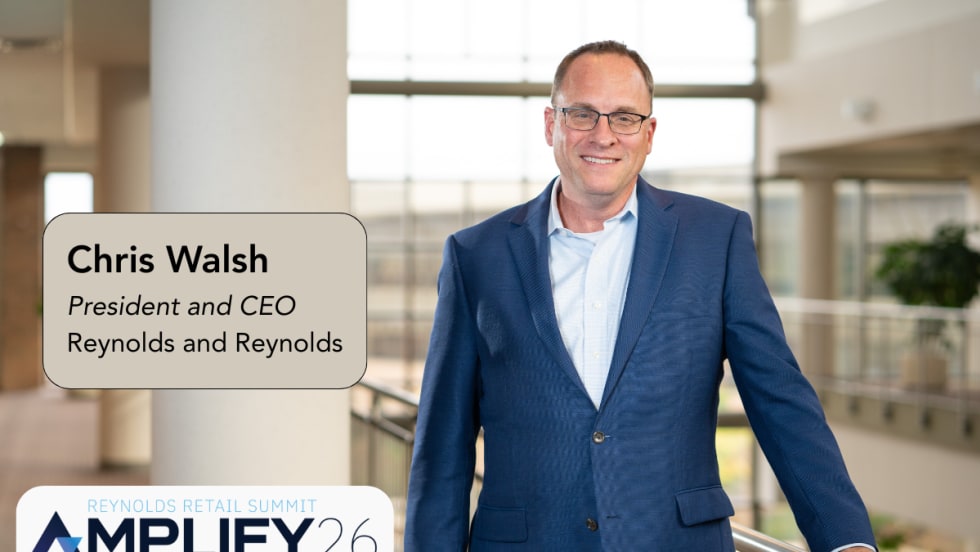
Amplify 2026 Billed as Turning Innovation Into Results
Reynolds and Reynolds says its annual retail summit will connect dealers with practical strategies, peer insight, and technology-driven ideas.
Read More →
Own Your Outcome: F&I in the Digital Customer Journey
Finance has historically been the last step in the car-buying process, but it doesn’t have to be. The customer’s journey starts long before they arrive at the dealership, and so should F&I’s involvement.
Read More →
Tariffs Could Raise Insurance Premiums
As U.S. import tariffs affect repair costs, consumers might find it more affordable to replace a damaged vehicle, according to recent Insurify tariff analysis.
Read More →
Smaller Loans, Longer Terms
The youngest generation of car buyers is more likely to finance less expensive vehicles, more than half of generation Z consumers borrowing less than $25,000.
Read More →
New Lifetime Battery F&I Product Meant to Drive Dealer Traffic
EFG Cos. offering is intended to create lifetime auto dealer engagement with customers.
Read More →