



New Vehicle Prices Continue to Soar
Average vehicle transaction prices continue to soar, according to data released by Kelley Blue Book.

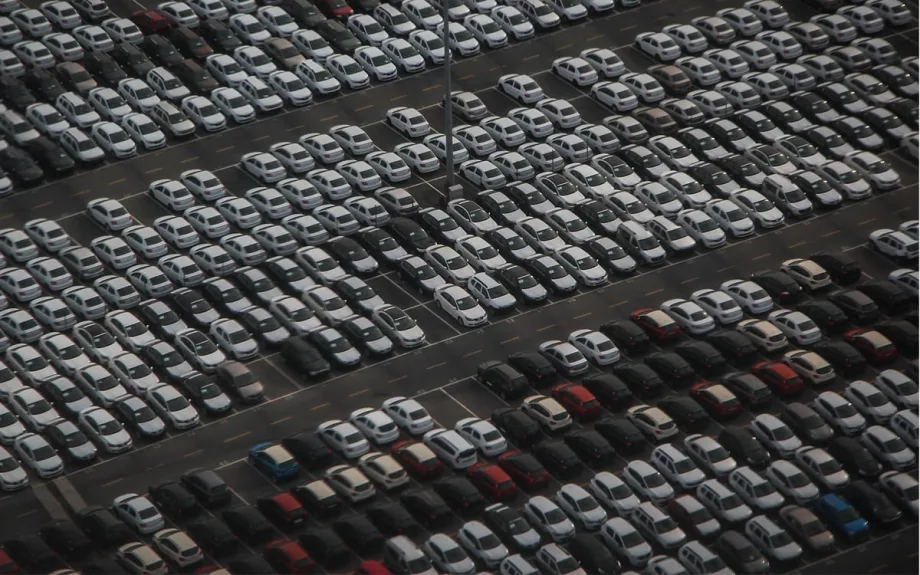
Average vehicle transaction prices continue to soar, according to data released by Kelley Blue Book.
IMAGE: Pixabay
New vehicle inventories levels have risen from the historic lows encountered in early 2022, but average vehicle transaction prices (ATPs) continue to soar, according to data released by Kelley Blue Book, a Cox Automotive company.
The ATP of a new vehicle soared to new heights in December 2022, hitting $49,578, an increase of 1.9% over November and up 4.9% ($2,297) from December 2021.
Luxury brand sales provided the biggest lift to overall industry ATP, rising to a record 18.6% of total new vehicle sales.
According to Kelley Blue Book, new-vehicle ATPs have been above the average manufacturer's suggested retail price (MSRP), or sticker price, for over a year.
"The transaction data from December clearly indicates overall prices showed no signs of coming down as we headed into year-end," said Rebecca Rydzewski, research manager of economic and industry insights for Cox Automotive. "Luxury prices fell slightly in December, but non-luxury transaction prices were up. Truck sales were particularly strong last month, and with many trucks selling for more than $60,000, a new record was all but inevitable."
Cox Automotive also reports steady improvements in new vehicle inventories, with some brands having a larger supply than others.
"Incentives overall are still very low but trending upward. Electric vehicles and luxury cars had incentives close to 6% of ATP, and both saw ATP decline in December as a result. Plus, with the new tax credits on the way, electric vehicle ATPs will drop lower for qualifying vehicles," added Rydzewski.
Consumers paid an average of $45,578 for a new non-luxury vehicle in December—a record high and up $994 month over month. The industry set the previous record high in August 2022.
Truck sales were also strong in December, with over 270,000 sold for the first time since the spring of 2021. The average price for a new truck exceeded $59,000. The best-selling vehicle in the U.S. is the Ford F-Series pickup truck, and consumers an average of $66,451 for these vehicles, according to Kelley Blue Book estimates. Record prices did not deter sales. In December, Ford sold more than 75,000 F-Series trucks, its best month in 2022.
Most non-luxury brands saw stable pricing or declines in December. Honda and Kia new vehicles sold between 5% and 6% over sticker price in December.
Strong luxury vehicle sales in 2022 are the primary contributor to elevated new-vehicle prices. Luxury-vehicle share typically increases in December, which in December 2022 hit a record 18.6% of total sales. The last record for luxury vehicles happened in December 2018, when the luxury market share represented 16.5% of total record sales.
The average luxury buyer paid $66,660 for a new vehicle in December, down $216 from November. Many luxury cars sold below MSRP in December, along with luxury compact and sub-compact SUVs.
Mercedes-Benz and Land Rover showed the most price strength in the luxury market, transacting between 2.6% to 6.5% over sticker price in December. Luxury brands Audi, BMW, Infiniti, Lexus, Lincoln, and Volvo showed the least price strength, selling 1% or more below MSRP in December.
But electric vehicle (EV) sales tumbled in December, down by over $3,500 from November. Kelley Blue Book attributes this trend to Tesla slashing EV prices in a year-end sales push.
Tesla led EV sales in December, but the average price paid for a new EV decreased by $3,594 (down 5.5%) in December and ended the year lower by 0.6%. The average new EV sold for $61,448, according to Kelley Blue Book estimates. The drop in pricing was driven by significant price cuts at Tesla, which commands more than 65% of the electric vehicle segment.
In December, incentives increased to 2.7% of the average transaction price, compared to 2.2% in November. In December 2021, incentives averaged 3.8% of ATP. In December 2019, the average incentive package was 10.9% of ATP, according to Kelley Blue Book estimates.
Electric vehicles offered the highest incentives in December 2022, again influenced by changes at Tesla, at 6.2% of ATP, followed closely by luxury cars at 5.8% of ATP. Meanwhile, vans, minivans and full-size SUVs offered the lowest incentives, at less than 1% of ATP.
Originally posted on Auto Dealer Today
More Showroom

New Cars Less Affordable
Buying conditions eroded for American shoppers last month due to inflation and interest rates, though they fared better than a year ago.

October Sales Divided
Inventory trends split between the new- and used-vehicle markets, though prices continued to rise for both in October.

Auto Transaction Prices Hit New Height
October sales of big, pricey models push up the average, even as budget-conscious consumers snag more economical options.

Making the Safe Choice
Kelley Blue Book has turned households with teen drivers onto safe and affordable options for their vehicles of choice

Inventory Holds Steady
September new-vehicle inventory rose slightly month-over-month, but dealer lots are laden with MY2026 vehicles as the typical model year changeover trudges along.

October Auto Sales Fall With the Leaves
A forecast anticipates retail deliveries are down this month as consumers continue to face cost challenges, though more are tapping long loans in order to buy.

California Sees Quarterly Gains
California’s new-vehicle market saw a boost in hybrids in the third quarter and its first overall quarterly market gain of the year.

New-Vehicle Prices Stay Put
Affordability pressures and model availability shaped new-vehicle sales in September, according to an analysis by Kelley Blue Book.

EV Buyer Consideration Shifts
What drives American consumers to purchase an electric vehicle is shifting as the question moves away from Should I?' to 'Which features and experience do I want to have?'

Year-to-Date Auto Sales Holding Their Own
A forecast through August shows that automakers have shifted strategies to keep deliveries and revenues up despite tariffs and other economic challenges.