



New-Vehicle Sales Slow Despite Lower Prices
Continued incentive increases weren’t enough to stop sales pace decline.

Despite less pocketbook pressure, the sales pace for the month fell from 16.1 million in December to 15 million.
IMAGE: Pexels/Erik McIean
New-vehicle transaction price drops increased in January, the average falling 2.6% to $47,401. But it wasn't enough to stop a sales slowdown.
The new average price was down 3.5% year-over-year, Cox Automotive said.
Part of the reason was a third straight month of increased incentives, which averaged 5.7% of the average transaction price. That was up nearly 100% year-over-year and from 5.5% in December.
Despite less pocketbook pressure, the sales pace for the month fell from 16.1 million in December and 15.1 million a year earlier to 15 million.
Lower January prices are typical after the brisker holiday sales season that’s particularly hot for luxury models, but last month’s decline was deeper than normal, Executive Analyst Erin Keating said in a press release.
“Prices have been trending downward for roughly six months now as automakers are sweetening deals to keep the sales flowing.”
Luxury model price drops led the way in January’s trend, Cox said. The average fell from $62,834 in December to $60,978, its lowest since the summer of 2021, Cox said.
Originally posted on Auto Dealer Today
More Showroom
New-Vehicle Prices Stay Put
Affordability pressures and model availability shaped new-vehicle sales in September, according to an analysis by Kelley Blue Book.
Read More →
EV Buyer Consideration Shifts
What drives American consumers to purchase an electric vehicle is shifting as the question moves away from Should I?' to 'Which features and experience do I want to have?'
Read More →
Year-to-Date Auto Sales Holding Their Own
A forecast through August shows that automakers have shifted strategies to keep deliveries and revenues up despite tariffs and other economic challenges.
Read More →
Slow to Robo
Ten years of polling consumers shows autonomous vehicles’ profiles have risen considerably, but even more people now want at least some level of control if they go that route.
Read More →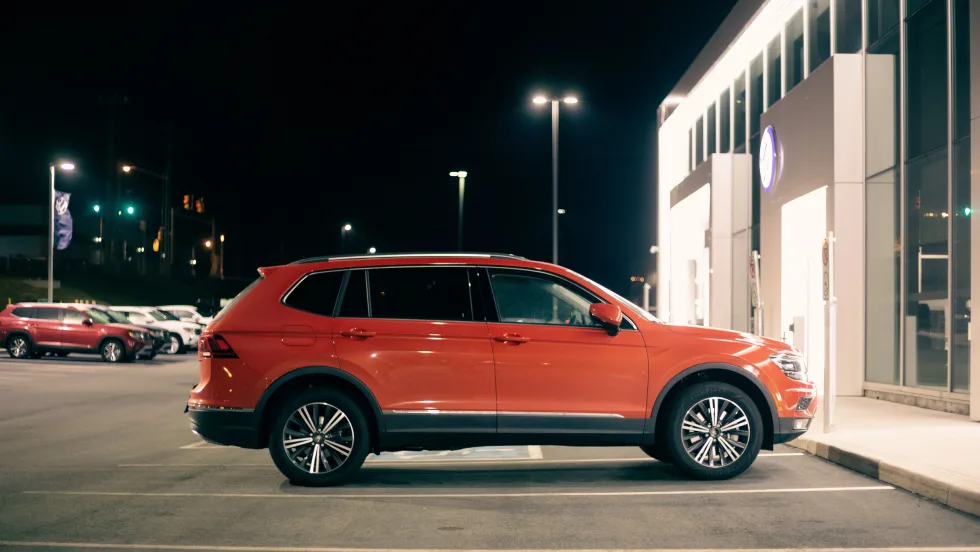
Dealers a Little Down
A third-quarter Cox Automotive survey finds them in a mixed mood, bummed by fallen customer traffic but encouraged by better profits, costs and EV interest.
Read More →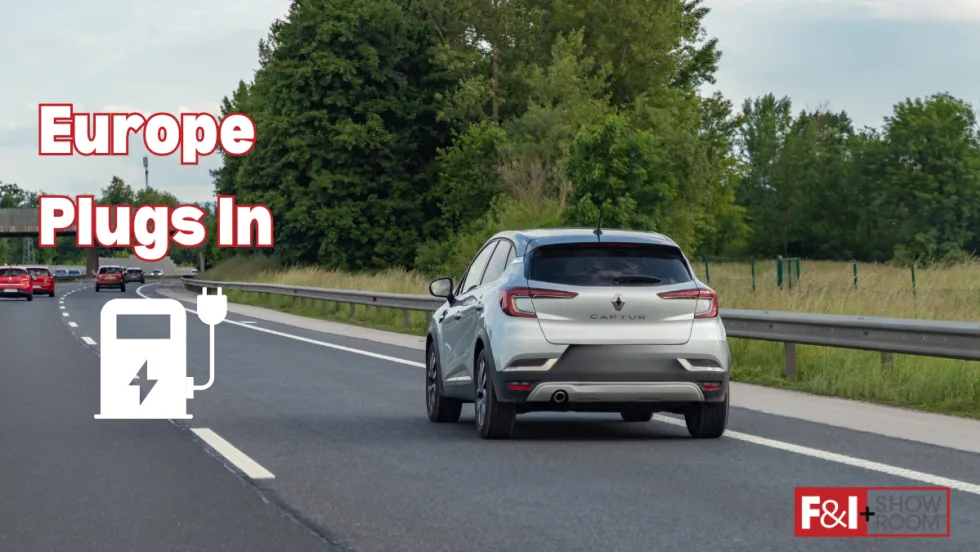
European EV Sales Skyrocket
The EV market on the continent held strong in July with almost 25% of new-car sales being fully electric units, a stark contrast to the U.S., where EV sales declined about 42%.
Read More →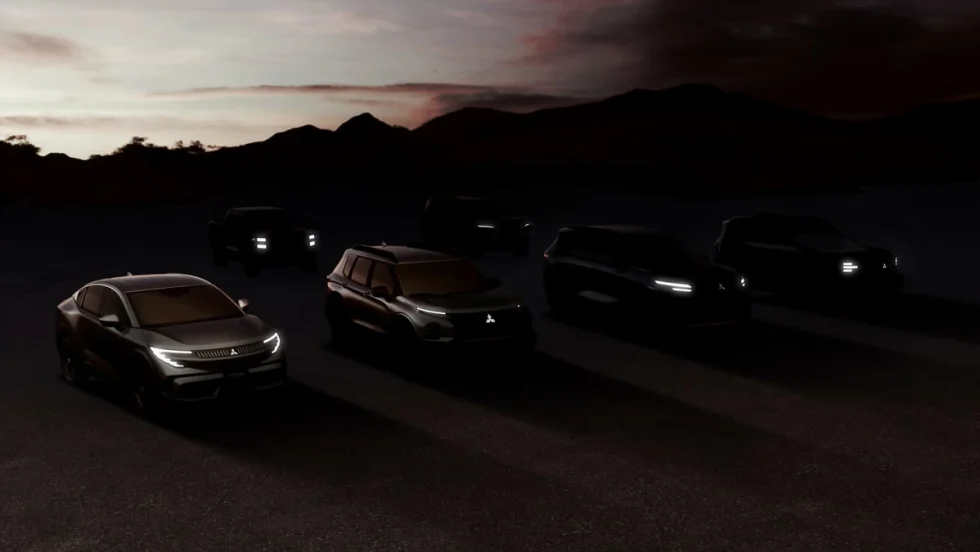
Mitsubishi Unveils U.S. Plan
The automaker announced a strategy that includes an expanded lineup and dealership presence, along with more ‘rugged’ and electric models.
Read More →
Used Lots Getting the Business
Many consumers are seeking out the units to save money, and the demand – higher in July than normal – is keeping supply limited and prices up.
Read More →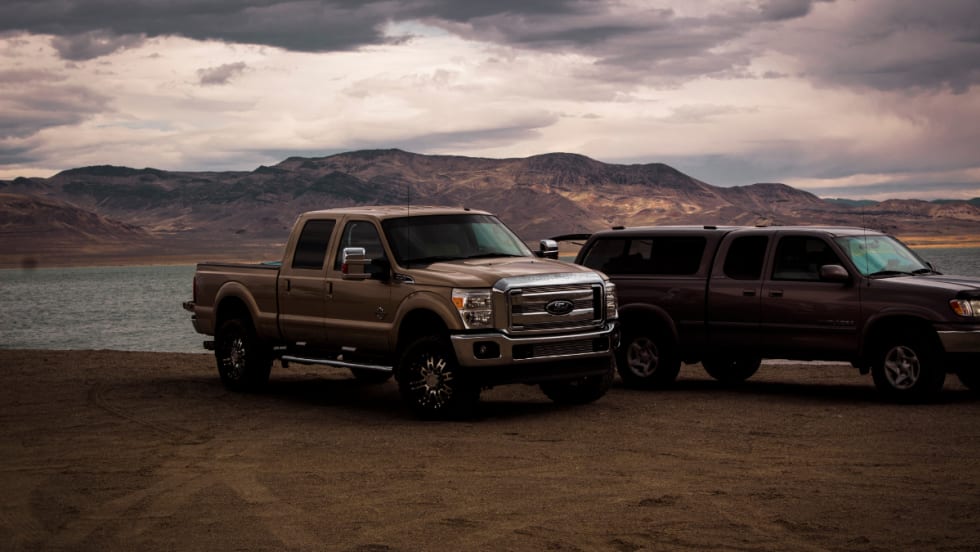
Used Market Stabilizes
The Carfax Used Car Index noted a major drop in used-vehicle price increases in July after several months of hikes.
Read More →
California Hybrids Reach State Record
The Golden State still leads the country in electric-vehicle registrations, but much like the rest of the U.S. its hybrid market share is up while full electrics stabilize after a dramatic first-quarter dip.
Read More →