



New York AG Charges Multi-Store Group With Payment Packing
Attorney General Eric Schneiderman filed suit last week against Koeppel Auto Group as part of its two-year crackdown on payment packing and the sale of credit repair and identify theft protection services.
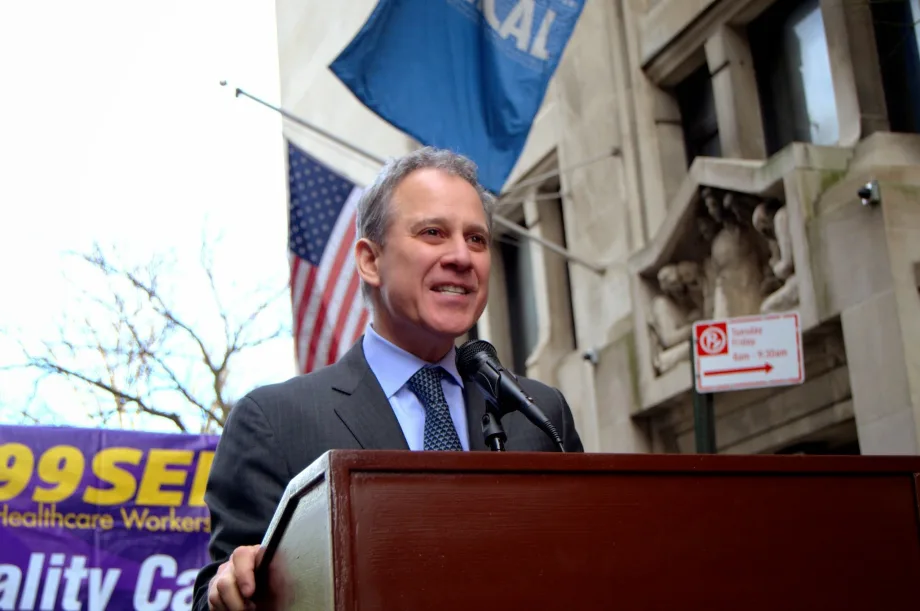
NEW YORK – Attorney General Eric T. Schneiderman’s two-year crackdown on payment packing and the sale of a credit repair and identify theft protection services has netted another multi-store dealer group. The regulator also announced new settlements with dealerships in Nassau and Suffolk counties as part of its crackdown.
The regulator filed a lawsuit against Woodside, N.Y.-based Koeppel Auto Group and several of its Queens-based dealerships, including Koeppel Nissan Inc., Koeppel Cars of Bayside Inc., doing business as Koeppel Subaru, Koeppel Mazda and Koeppel Volkswagen Inc. Filed in New York Supreme Court, the complaint alleges that the dealerships unlawfully sold aftersale products and services, including credit repair and identify theft protection services, to 1,426 consumers at a price that exceeded $2,000 per consumer.
“When consumers shop for a car, they should not be misled by deceptive dealerships looking to make a quick buck off New Yorkers,” Schneiderman said. “Unfortunately, some dealers pad their pockets with fees for products and services that unaware consumers don’t need, and don’t want.”
According to the complaint, the Koeppel dealerships used deceptive sales tactics, including charging consumers for services without their knowledge or by misrepresenting that the services were free. The regulator noted that consumers never received the credit repair and identity theft protection services for which they were charged.
The court papers also allege that the Koeppel dealerships collected more than $1 million from consumers between January 2013 and November 2014 for the credit repair and identity theft protection services using such deceptive tactics. The suits seek a court order prohibiting the Koeppel dealerships from engaging in such practices in the future and directing them to refund all illegally obtained overcharges to consumers.
According to the regulator, the Koeppel dealerships began offering the credit repair and identity theft protection services in early 2013. The products were provided by the now-defunct Credit Forget It, a company founded by Damien Bullard, who also founded income development company IDDS.
According to the attorney general, Credit Forget It failed to adhere to the state’s prohibition on collecting upfront fees for credit repair services. The regulator also alleged that CFI instructed its staff to tell customers its services were “included in the price of the car” and to refer them back to the dealership.
In March 2015, CFI was shut down after entering into a consent order with the attorney general. It was also ordered to pay $50,000. But another $2 million in fines were suspended, subject to CFI’s compliance with the requirements set forth in the consent order, which included dissolving the company and notifying dealers with which it had contracts.
Selling CFI’s products wasn’t the only violation alleged in the suit Schneiderman’s office filed against Koeppel dealerships, however. The retail outlets were also charged with adding on charges for other aftersale items like VIN etching and key replacement services, without clearly disclosing what they were charging for such services. The costs of these services were often bundled into the vehicle sales price and not separately itemized. As a result, unknown to the consumer, the price of the car stated on purchase and lease documents was inflated by the amount of these aftersale items.
In addition, the Koeppel complaint alleges the dealerships sometimes negotiated purchase and lease terms with consumers in Spanish and then only provided contracts and documents in English. New York City law requires that when the terms of an installment agreement are negotiated in Spanish, the seller must provide documents translated into Spanish.
The attorney general also entered into a separate settlement with Westbury Jeep Chrysler Dodge Inc. and Fiat of Westbury LLC — related car dealerships operating in Westbury, N.Y. — that also sold CFI’s products. That settlement requires the dealerships to stop selling illegal credit repair products and using deceptive and misleading sales tactics. It also requires the dealerships to itemize the cost of aftersale items in its sale and lease agreements. Westbury will also refund more than $100,000 to consumers, which represents the full profits it received from selling credit repair and identity protection. It will also pay $5,000 in penalties and $5,000 in costs.
Additionally, the attorney general settled with Security Auto Sales Inc., which does business as Security Dodge in Amityville, N.Y. In addition to injunctive relief, Security Dodge will refund more than $18,000 to consumers, which represents the full profits it received from selling credit repair and identity protection. It will also pay $5,000 in penalties.
The office is continuing to investigate a number of other New York auto dealers that sold or sell aftersale services without the knowledge and consent of consumers.
These lawsuits and settlements are part of the Attorney General’s two-year initiative to end the practice of “jamming,” or charging consumers for hidden purchases. Aside from the attorney general’s actions against Credit Forget It last year, Schneiderman’s office settled with Paragon Motors of Woodside Inc., which claims to be the nation’s largest collective Honda dealer, for selling the same CFI products. Paragon agreed to pay restitution potentially totaling nearly $14 million.
More F&I

AI: Facilitator, Not Fixer, in F&I
The dealerships that thrive in the years ahead will be those that embrace technology while continuing to invest in the people who make customer interactions count.
Read More →
Modern Technology Objection Handling
In this video, Trent White shares how to confidently handle technology-based objections by helping customers understand the value of protection, even with modern vehicle technology.
Read More →
Consistency at Scale: Driving F&I Performance
With 75 rooftops across the Sunshine State, Morgan Auto Group has proven to Floridians that it knows a thing or two about driving performance in a competitive market. But it didn’t start at the top.
Read More →
Gitty Up on GAP
The foundational finance-and-insurance product hasn’t kept up with the latest conditions for auto dealers. Is the time ripe?
Read More →
How AI-Powered Coaching Is Transforming F&I Performance
See how AI-powered coaching can turn F&I customer conversations into actionable insights that support compliance, performance and profitability
Read More →
Sell Value, Build Trust
In this video, Trent White explains why selling on value, not fear, builds lasting customer trust, reduces cancellations, and drives long-term success.
Read More →
F&I Sales Give Dealers First-Half Lift
Product business shored up total profits to avoid an overall revenue tanking as product penetrations held steady, StoneEagle reported.
Read More →
Targeted Training Drives Results
Today’s technology, instead of threatening F&I managers, can actually make them better, according to an industry veteran who’s watched market setbacks roil the unprepared.
Read More →
Double the Change, Double the Chance
When an F&I manager gets a customer refusal, it’s a wise move to tweak more than one thing in the product offering.
Read More →
Just Do It
F&I managers need training, but instead of resisting application or expecting perfection, they should improve by simply acting on what they learn.
Read More →