



NIADA Calls On SBA to Open PPP to BHPH Dealers’ Related Finance Companies
Association says rule prohibiting loans to small finance providers conflicts with law’s intent.

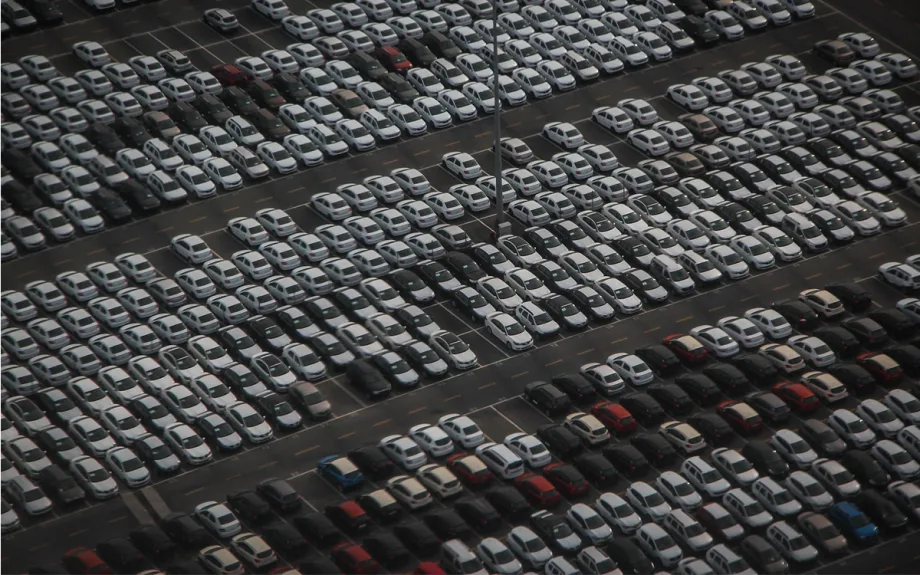
Association says rule prohibiting loans to small finance providers conflicts with law’s intent.
Image by Niek Verlaan from Pixabay
Arlington, Texas – The National Independent Automobile Dealers Association is calling on Congress and the Small Business Administration to open up the SBA’s Paycheck Protection Program to the related finance companies of Buy Here-Pay Here dealers – an important sector of the used vehicle industry.
They need to be eligible for Paycheck Protection Program loans as the CARES Act intended.
In letters sent to SBA administrator Jovita Carranza, Congressional leaders and Senate Small Business and Entrepreneurship Committee chairman Marco Rubio, NIADA CEO Steve Jordan said current SBA guidance that prohibits small finance companies from receiving PPP loans “clearly conflicts” with the intent and language of the statute that created the program.
Section 1102 of the CARES Act states “any business concern … which employs not more than 500 employees shall be eligible” for PPP loans, which are intended to allow small businesses to keep their employees on the payroll during the COVID-19 crisis.
NIADA called for the SBA to amend its rule to make all legal businesses with 500 or fewer employees eligible for PPP loans.
In the letters, Jordan specifically made the case for Buy Here-Pay Here dealers, who often provide financing to credit-challenged or credit-invisible consumers who cannot get financing from banks or other traditional finance sources, through a related finance company (RFC).
While the dealership entities are being approved for PPP loans, RFCs, which do nothing more than hold and service the paperwork in the dealerships’ financing arrangements with their customers, “are routinely denied,” the letters said, as lenders cite the SBA guidance excluding finance companies from the program.
“Just like their dealership counterparts, virtually all RFCs are small businesses under every criteria of the SBA,” Jordan said. “Across the country, BHPH dealers and their RFCs are serving the transportation and financing needs of essential personnel battling on the front lines of the COVID-19 crisis, including medical personnel, first responders, supply chain workers, grocery store clerks and others.
“But in order to keep those essential personnel driving to and from their much-needed jobs, both BHPH dealers and their RFCs need help in the form of liquidity to keep their employees on the payroll and the lights turned on.
“They need to be eligible for Paycheck Protection Program (PPP) loans as the CARES Act intended.”
To view the letters and find more information about NIADA’s response to the COVID-19 pandemic, visit covid19.niada.com.
Originally posted on Auto Dealer Today
More Showroom
California Sees Quarterly Gains
California’s new-vehicle market saw a boost in hybrids in the third quarter and its first overall quarterly market gain of the year.
Read More →
New-Vehicle Prices Stay Put
Affordability pressures and model availability shaped new-vehicle sales in September, according to an analysis by Kelley Blue Book.
Read More →
EV Buyer Consideration Shifts
What drives American consumers to purchase an electric vehicle is shifting as the question moves away from Should I?' to 'Which features and experience do I want to have?'
Read More →
Year-to-Date Auto Sales Holding Their Own
A forecast through August shows that automakers have shifted strategies to keep deliveries and revenues up despite tariffs and other economic challenges.
Read More →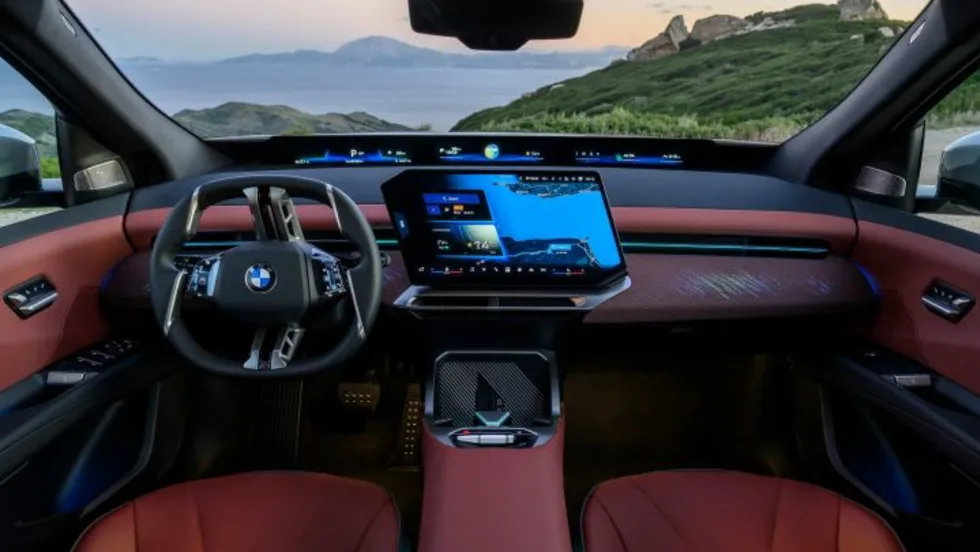
Slow to Robo
Ten years of polling consumers shows autonomous vehicles’ profiles have risen considerably, but even more people now want at least some level of control if they go that route.
Read More →
Dealers a Little Down
A third-quarter Cox Automotive survey finds them in a mixed mood, bummed by fallen customer traffic but encouraged by better profits, costs and EV interest.
Read More →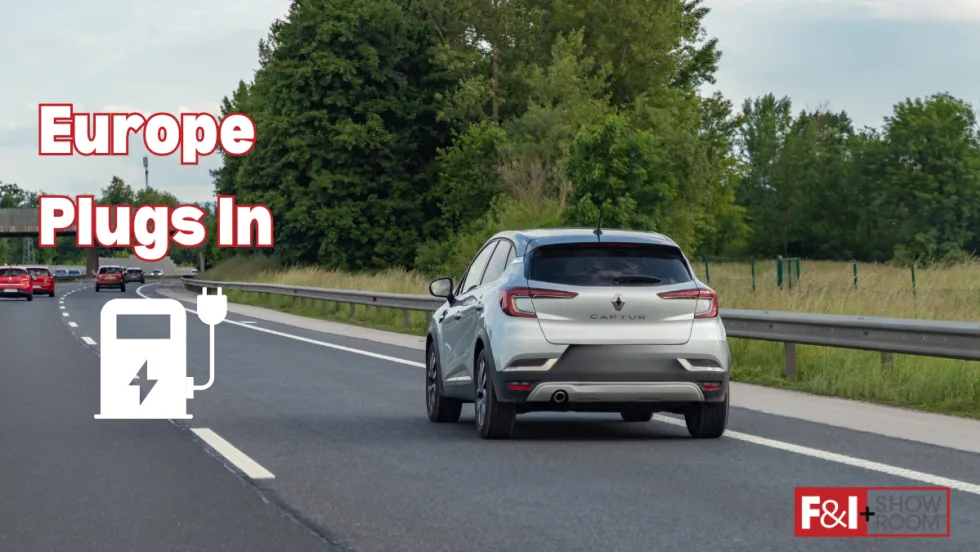
European EV Sales Skyrocket
The EV market on the continent held strong in July with almost 25% of new-car sales being fully electric units, a stark contrast to the U.S., where EV sales declined about 42%.
Read More →
Mitsubishi Unveils U.S. Plan
The automaker announced a strategy that includes an expanded lineup and dealership presence, along with more ‘rugged’ and electric models.
Read More →
Used Lots Getting the Business
Many consumers are seeking out the units to save money, and the demand – higher in July than normal – is keeping supply limited and prices up.
Read More →
Used Market Stabilizes
The Carfax Used Car Index noted a major drop in used-vehicle price increases in July after several months of hikes.
Read More →