



Proposed Bill Could Cherry Pick Winners and Losers in EV Game
A proposal that gives higher EV tax credits to union shops has caused controversy over preferential treatment for EV incentives.

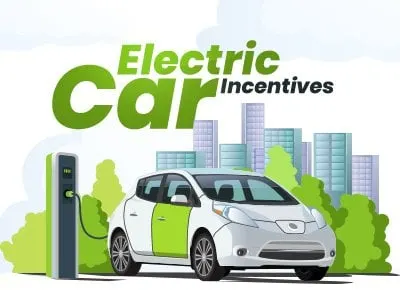
A proposal that ties EV tax credits to vehicles built in the U.S. by union labor has some manufacturers complaining of favoritism.
A proposal that ties electric vehicle (EV) tax credits to vehicles built in the U.S. by union labor has some manufacturers complaining of favoritism.
The Clean Energy for America Act, advanced by the Senate Finance Committee in May, includes a proposal that would give consumers as much as $12,500 for EVs assembled by union workers in U.S. factories.
Introduced by Democratic Sen. Debbie Stabenow of Michigan, the proposal lacks a Republican sponsor. This makes it unlikely that the full Senate will take up the proposal. But it has stirred up some industry pundits who want a level playing field for EVs.
“Incentives for EV sales should be broadly applicable across the marketplace in order to accelerate sales and consumer adoption,” Don Stewart, executive vice president of public affairs at the Alliance for Automotive Innovation, told Auto News.
Currently EV purchases represent a fraction of total U.S. vehicle sales, which is why industry groups like the Alliance urge policymakers to support efforts that encourage adoption. Policies that limit eligible vehicles could slow EV adoption.
Stabenow’s proposal would give purchasers of internationally made autos a lower incentive since the manufacturers do not operate union plants in the U.S.
The Alliance is calling for supply-and-demand approaches where all stakeholders collaborate and providing broad-based consumer incentives at federal and state levels. Many Alliance members are investing millions in EVs to take advantage of the Biden Administration’s commitment to EVs.
Bloomberg reported last month that Volkswagen plans to make and sell more EVs in the United States after the president unveiled a $174 billion plan to promote EVs. But the German automaker told Automotive News in a statement that it supports incentives that “do not favor one automaker over another.”
Jennifer Safavian, CEO of Autos Drive America, states the proposed tax incentives are unfair to American automakers who choose not to join a union. She says the proposal prioritizes union works over nonunion workers and called the practice discriminatory.
Steve Gates, the 2021 chairman of the American International Automobile Dealers Association agrees. The third-generation dealer sells Ford, Toyota and other brands called on the government to not be “so narrow” in its approach.
He concluded, “I don’t think the government should pick winners and losers, and that’s what this proposed legislation does.”
Originally posted on Auto Dealer Today
More Showroom
California Sees Quarterly Gains
California’s new-vehicle market saw a boost in hybrids in the third quarter and its first overall quarterly market gain of the year.
Read More →
New-Vehicle Prices Stay Put
Affordability pressures and model availability shaped new-vehicle sales in September, according to an analysis by Kelley Blue Book.
Read More →
EV Buyer Consideration Shifts
What drives American consumers to purchase an electric vehicle is shifting as the question moves away from Should I?' to 'Which features and experience do I want to have?'
Read More →
Year-to-Date Auto Sales Holding Their Own
A forecast through August shows that automakers have shifted strategies to keep deliveries and revenues up despite tariffs and other economic challenges.
Read More →
Slow to Robo
Ten years of polling consumers shows autonomous vehicles’ profiles have risen considerably, but even more people now want at least some level of control if they go that route.
Read More →
Dealers a Little Down
A third-quarter Cox Automotive survey finds them in a mixed mood, bummed by fallen customer traffic but encouraged by better profits, costs and EV interest.
Read More →
European EV Sales Skyrocket
The EV market on the continent held strong in July with almost 25% of new-car sales being fully electric units, a stark contrast to the U.S., where EV sales declined about 42%.
Read More →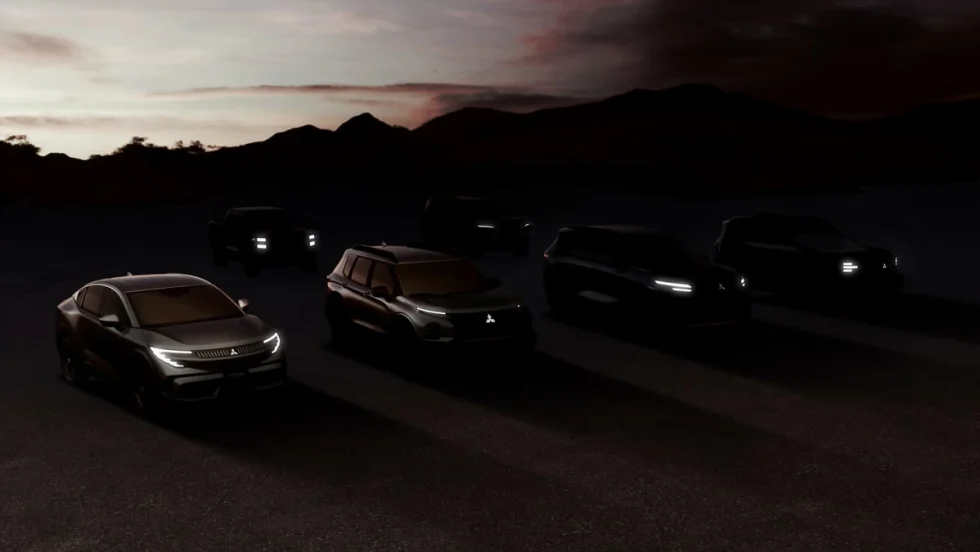
Mitsubishi Unveils U.S. Plan
The automaker announced a strategy that includes an expanded lineup and dealership presence, along with more ‘rugged’ and electric models.
Read More →
Used Lots Getting the Business
Many consumers are seeking out the units to save money, and the demand – higher in July than normal – is keeping supply limited and prices up.
Read More →
Used Market Stabilizes
The Carfax Used Car Index noted a major drop in used-vehicle price increases in July after several months of hikes.
Read More →